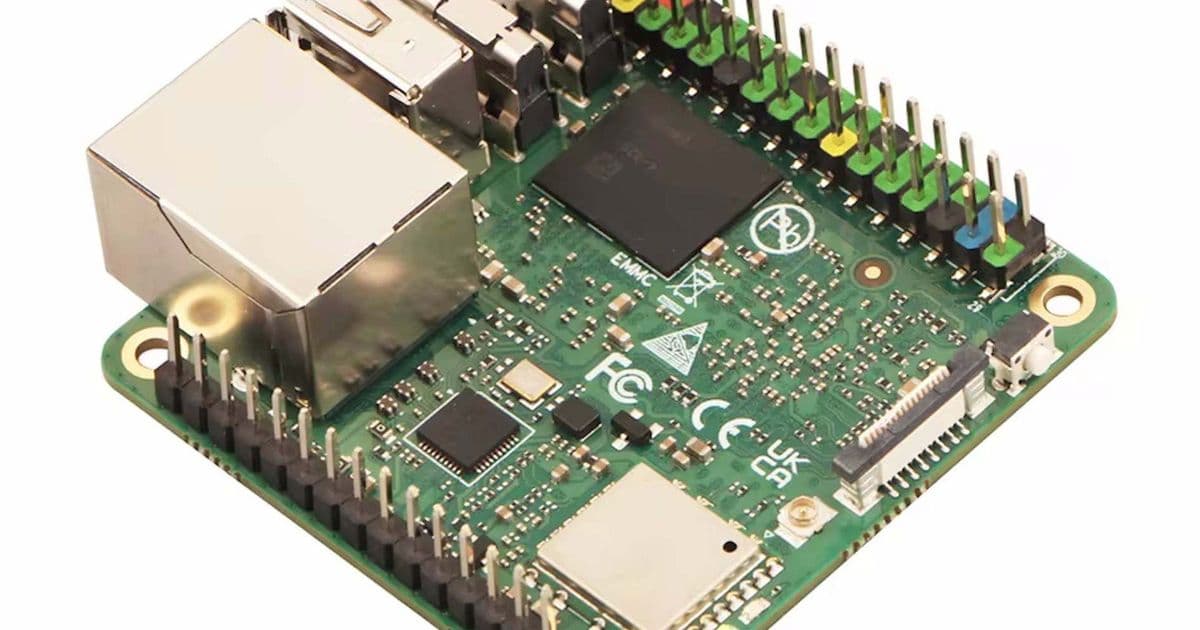
Radxa's $25-$44 Cubie A7S single-board computer delivers an Allwinner A733 octa-core processor, PCIe SSD support, and dual USB-C ports – challenging Raspberry Pi 5 with unique connectivity advantages.
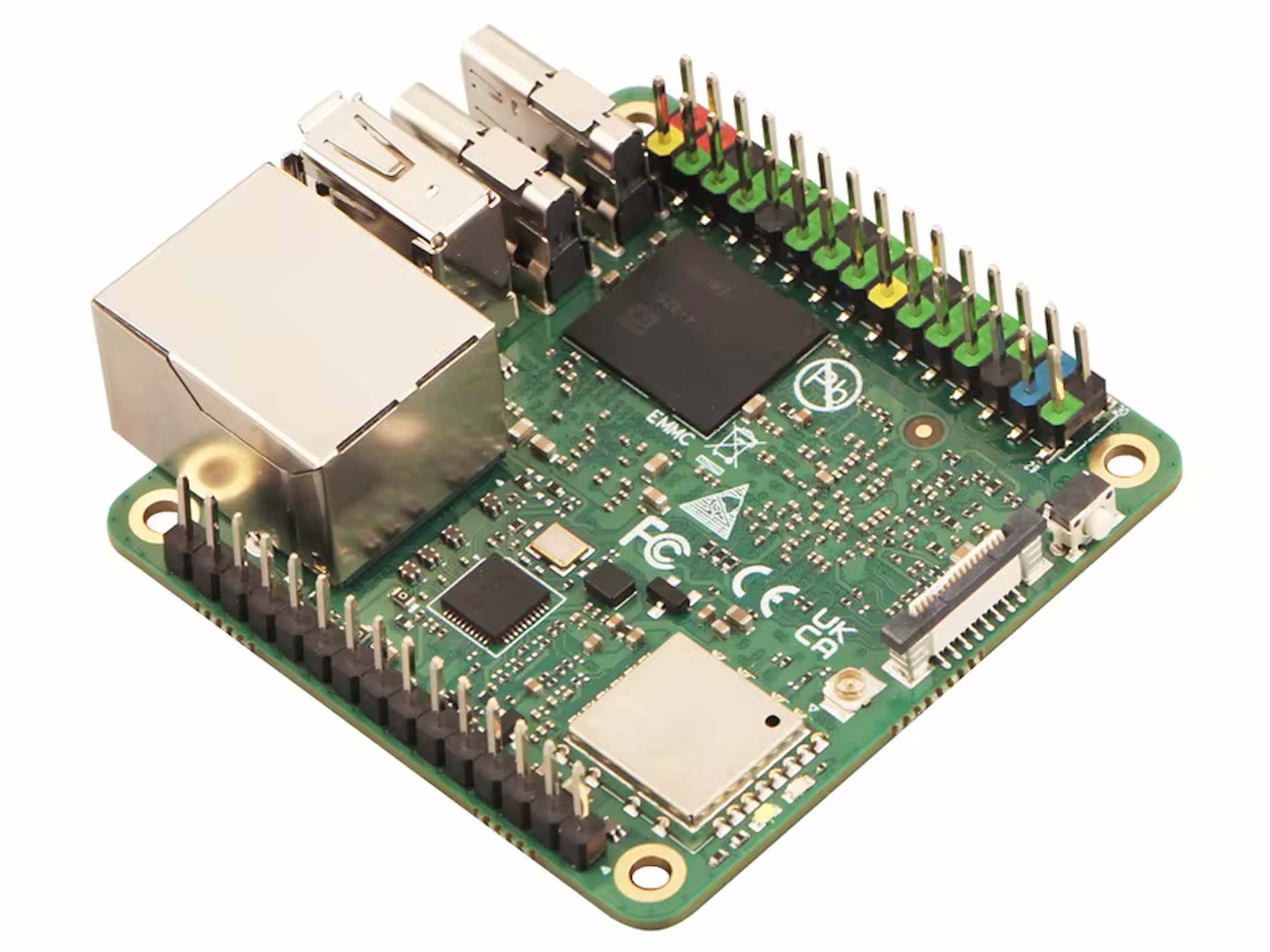
The single-board computer market welcomes a compelling Raspberry Pi alternative with Radxa's Cubie A7S, priced aggressively between $25 (4GB RAM) and $44 (16GB RAM) on retailers like AliExpress. Unlike typical Pi clones, this 51x51mm board brings distinctive features including PCIe SSD connectivity and dual USB-C ports alongside an octa-core Allwinner A733 processor.
What's New: Beyond Raspberry Pi Convention
At its core, the A733 SoC combines two ARM Cortex-A76 performance cores with six Cortex-A55 efficiency cores – a configuration mirroring premium smartphones. The integrated NPU delivers 3 TOPS for basic machine learning tasks, while connectivity options break from SBC norms:
- Video Output: USB-C with DisplayPort Alternate Mode (4K/60Hz), replacing HDMI
- Storage: PCIe 3.0 x1 slot via FPC connector for NVMe SSDs alongside optional 256GB eMMC
- Expandability: 45-pin GPIO header and MIPI CSI input for camera modules
- Networking: WiFi 6 and Bluetooth 5.4 alongside Gigabit Ethernet
- Power Delivery: USB-C PD input with USB 2.0 and USB OTG support
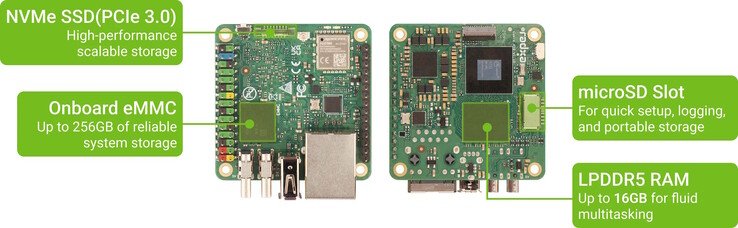 Optional SSD installation via PCIe interface provides storage flexibility beyond microSD limitations.
Comparative Analysis: Pi 5 vs Cubie A7S
Against the $60 Raspberry Pi 5 (4GB model), Radxa's contender shows distinct tradeoffs:
| Feature | Raspberry Pi 5 | Radxa Cubie A7S |
|---|---|---|
| CPU | Cortex-A76 (4x) | Cortex-A76 (2x) + A55 (6x) |
| Video Out | Dual HDMI 2.0 | USB-C DP Alt Mode |
| PCIe Support | Limited to external HAT | Native NVMe via FPC |
| RAM Options | 4GB/8GB | 4GB/8GB/16GB LPDDR5 |
| Base Price | $60 | $25 (4GB) |
The Cubie's PCIe implementation enables direct SSD mounting – a feature requiring expensive HATs on Raspberry Pi. However, Raspberry Pi maintains advantages in GPU documentation and software ecosystem maturity. At nearly half the Pi 5's entry price, Radxa targets budget-conscious tinkerers prioritizing raw connectivity over polish.
Target Audience: Practical Applications
This board suits specific use cases:
- Media Centers: USB-C video output simplifies dongle-free connections to modern monitors
- Edge AI Prototypes: NPU acceleration for lightweight computer vision via MIPI cameras
- Storage Servers: PCIe SSD support enables affordable NAS builds without USB bottlenecks
- Education: Sub-$30 entry point for electronics classrooms needing GPIO access
Radxa's design sacrifices Raspberry Pi's established accessory ecosystem but gains ground with modern ports and storage flexibility. While novices might prefer Raspberry Pi's refined software, the Cubie A7S offers compelling hardware for advanced users willing to navigate Linux configuration. Available now via AliExpress and Araca Tech, it reshapes expectations for budget SBC capability.
Source: Radxa Official Specifications
Comments
Please log in or register to join the discussion