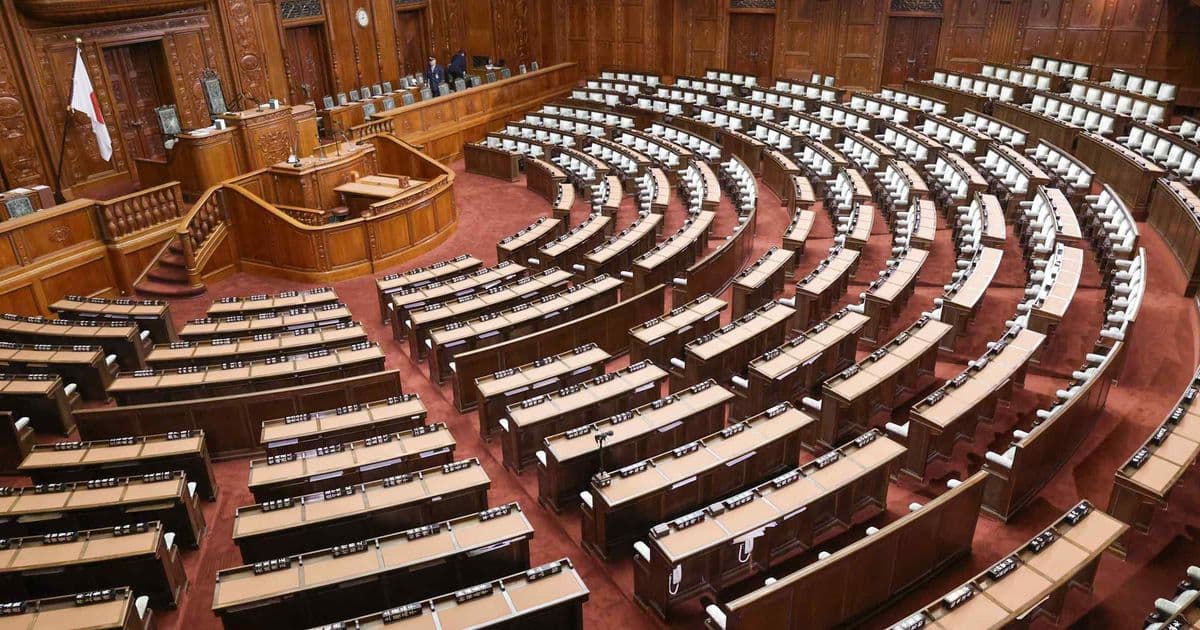
Prime Minister Sanae Takaichi's ruling coalition must clear specific seat thresholds in Japan's election to streamline legislative operations and implement economic policies effectively.
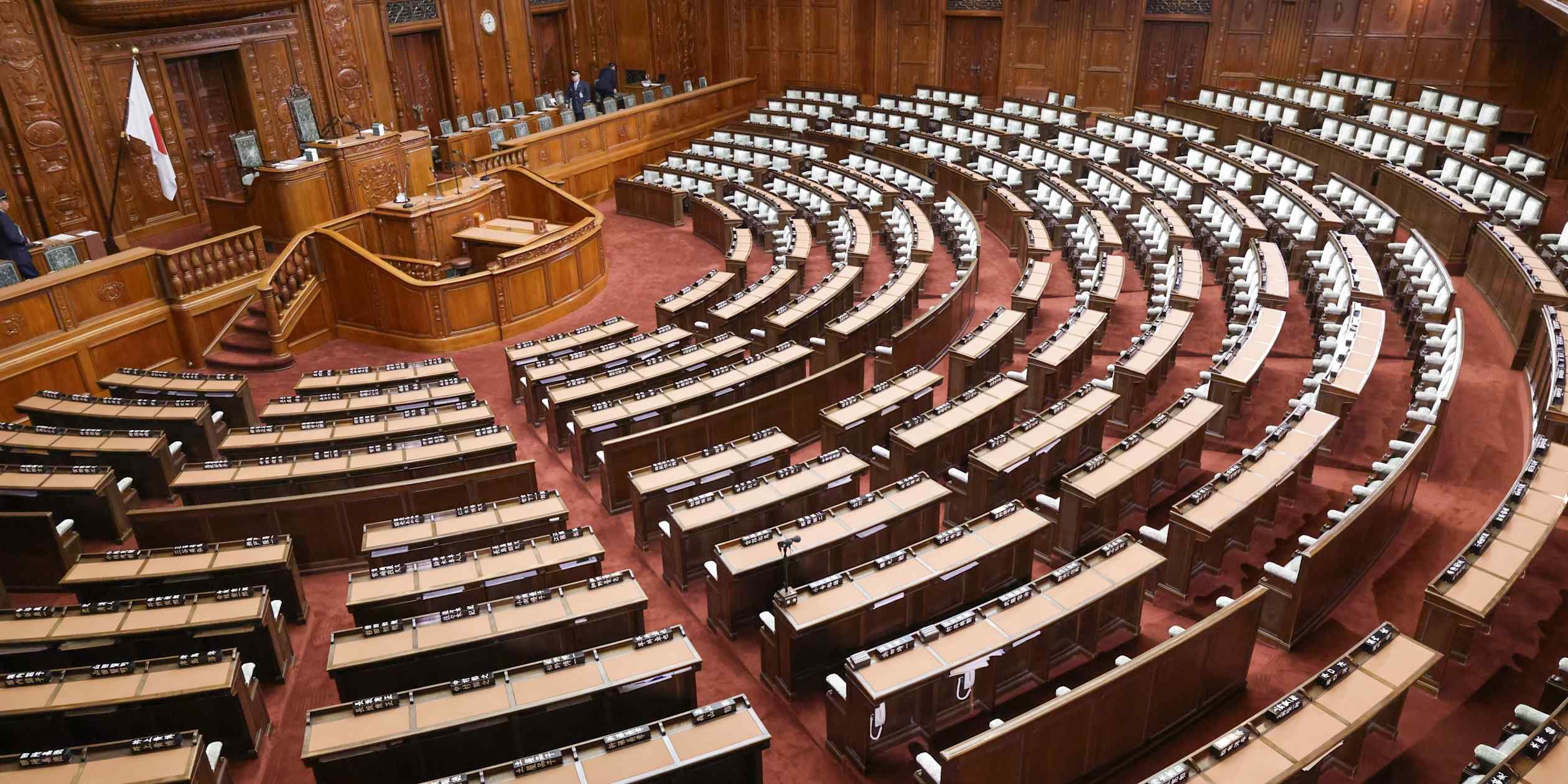
Japan's parliamentary election on Sunday presents a quantifiable framework for governance stability, with Prime Minister Sanae Takaichi's Liberal Democratic Party (LDP) and coalition partner Japan Innovation Party targeting four critical seat benchmarks. These thresholds – 233, 243, 261, and 310 seats in the 465-member lower house – directly determine legislative efficiency and policy implementation capabilities.
The Threshold Hierarchy
233 seats represents the absolute minimum for continuity. The ruling coalition currently holds 232 seats. Securing just one additional seat grants a simple majority, allowing Takaichi to retain office during the post-election parliamentary session. Crucially, this enables automatic budget implementation even if rejected by the upper house, where the coalition lacks control. This mechanism ensures funding for flagship economic policies without legislative deadlock.
243 seats constitutes a "stable majority," transforming parliamentary operations. At this level, the coalition controls all standing committee chair positions and secures half the membership on every committee. This is particularly significant for the Budget Committee – currently chaired by the opposition – which oversees wide-ranging policy debates. Regaining this chair would centralize fiscal oversight and accelerate the 2026 budget deliberation process starting in April.
261 seats delivers an "absolute stable majority," allowing the coalition to pass legislation without committee chair approval. The LDP alone achieved this in 2021. At this threshold, the government gains majorities across all committees, reducing negotiation friction for economic reforms and regulatory changes.
310 seats (two-thirds majority) enables constitutional-level impact. Legislation rejected by the upper house could still pass, and the coalition could initiate constitutional revision referendums. Historically, the LDP only reached this level with former ally Komeito in 2005 and 2014.
Opposition Dynamics and Economic Consequences
The main opposition Centrist Reform Alliance (Constitutional Democratic Party and Komeito) aims to become the largest single party, while the Democratic Party for the People targets 51 seats – enough to independently submit no-confidence motions or budget-linked bills. Failure by the ruling bloc to secure at least 233 seats would trigger Takaichi's resignation pledge, creating immediate political uncertainty.
From a policy perspective, crossing higher thresholds correlates with accelerated decision-making:
Budgets proceed uninterrupted, ensuring continuity in economic stimulus and infrastructure projects
Regulatory reforms face fewer procedural delays, benefiting sectors like technology and energy
Long-term fiscal planning gains predictability, critical for foreign investment
Current polling suggests the ruling coalition could secure over 60% of seats, but outcomes near the 243-seat threshold would still necessitate opposition collaboration for non-budget legislation. With Japan facing currency volatility, defense spending debates, and sovereign wealth fund proposals, Sunday's seat distribution will determine how effectively the government can execute its economic agenda amid global instability.
Comments
Please log in or register to join the discussion