
Ransomware attacks surged by over 50% in 2025 despite law enforcement takedowns, with over 8,000 organizations publicly listed as victims. Cybercriminals evade prosecution through rapid rebranding and shifting tactics, leaving businesses facing GDPR/CCPA fines and users vulnerable to mass data exposure.
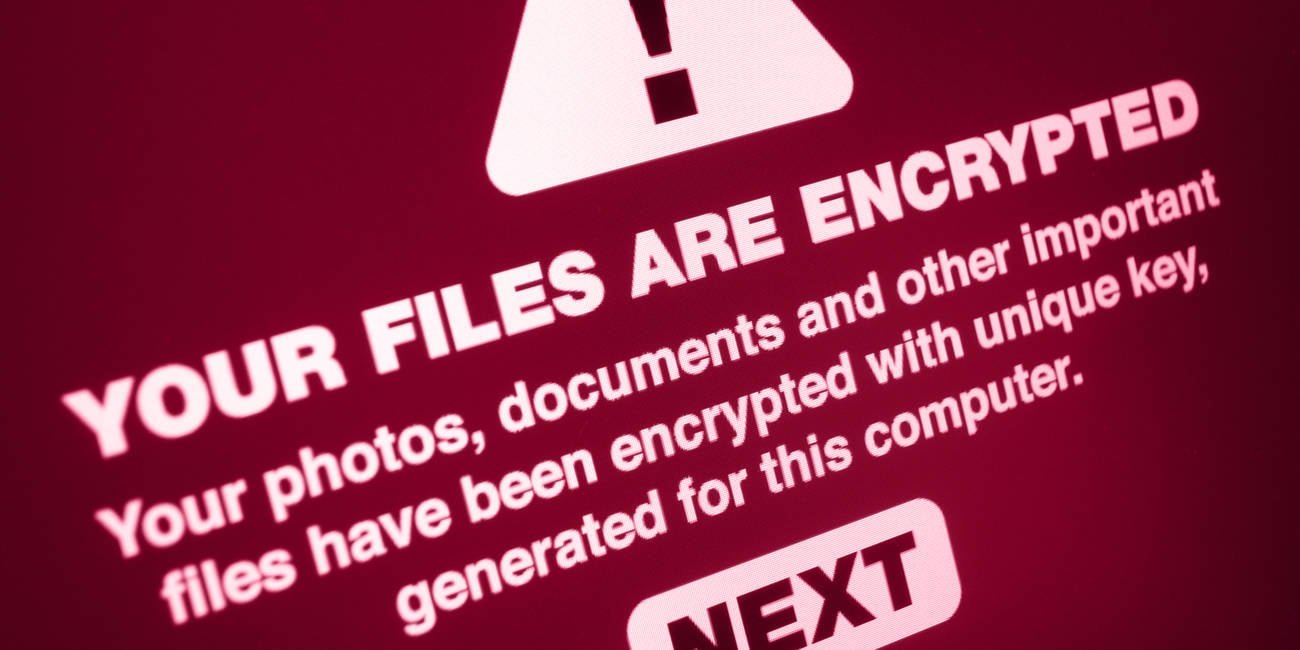
Despite coordinated international law enforcement operations against ransomware groups, attacks increased dramatically throughout 2025 according to new research from cybersecurity firm Emsisoft. The report documents over 8,000 organizations publicly listed on ransomware extortion sites last year – a more than 50% increase compared to 2023 figures. This alarming trend persists even after high-profile victories like the August 2025 takedown of the BlackSuit operation, highlighting fundamental limitations in current enforcement strategies.
Ransomware groups now operate with unprecedented agility, rapidly rebranding and reorganizing when disrupted. Where only a few dozen major gangs dominated in 2023, Emsisoft's tracking shows over 100 distinct groups active by late 2025. Affiliates seamlessly migrate between operations, allowing criminal expertise to persist even when specific infrastructures are dismantled. Groups like Qilin, Akira, Cl0p, and Play continue appearing prominently in leak site postings, demonstrating this resilience through rebranding cycles.
This surge carries severe regulatory consequences under frameworks like the EU's General Data Protection Regulation (GDPR) and California's Consumer Privacy Act (CCPA). Both regulations impose strict requirements for protecting personal data and mandate disclosure of breaches. When ransomware compromises systems containing customer information – as occurred in countless 2025 incidents – organizations face potential fines reaching €20 million or 4% of global turnover under GDPR, and $7,500 per intentional violation under CCPA. Beyond financial penalties, companies incur massive recovery costs including system restoration, forensic investigations, legal fees, and reputational damage.
For individuals, these attacks represent catastrophic privacy violations. Stolen health records, financial documents, government IDs, and other sensitive data regularly appear on ransomware leak sites, enabling identity theft and financial fraud. Emsisoft notes that public leak sites vastly underrepresent true victim counts, as many organizations pay ransoms or restore systems without appearing in these forums.
Attack methodologies also shifted significantly in 2025. While software vulnerabilities remain an entry point, gangs increasingly favor social engineering attacks like phishing emails and credential theft – techniques that bypass perimeter defenses entirely. Groups modeled after Scattered Lapsus$ Hunters demonstrate how attackers pivot toward human vulnerabilities rather than technical exploits. "As long as affiliates remain plentiful and social engineering remains effective, victim counts are likely to continue rising," explains Emsisoft threat analyst Luke Connolly.
This tactical shift demands corresponding changes in organizational defenses. Compliance with GDPR Article 32 and CCPA's security requirements now necessitates comprehensive employee training, strict access controls, and multi-factor authentication to counter credential-based attacks. Businesses must also develop robust incident response plans that meet GDPR's 72-hour breach notification mandate and CCPA's disclosure requirements.
Ultimately, the ransomware epidemic underscores a critical gap in cybercrime enforcement: dismantling infrastructure doesn't eliminate criminal talent. Until international efforts target individual operators and disrupt the affiliate recruitment pipelines fueling this ecosystem, organizations and their customers will remain vulnerable. Proactive security investments and regulatory compliance provide the last line of defense against an increasingly adaptable threat landscape where data protection failures carry existential consequences.
Comments
Please log in or register to join the discussion