Qualcomm has proposed a new QDA driver for the Linux kernel's accelerator subsystem, offering a standardized interface for offloading computational tasks to Hexagon DSPs across all DSP domains.
Qualcomm has taken a significant step toward modernizing DSP (Digital Signal Processor) support in the Linux kernel with the proposal of a new QDA (Qualcomm DSP Accelerator) driver. The request for comments (RFC) patch series, posted today, introduces a standardized interface for offloading computational tasks to DSPs found on Qualcomm SoCs, covering all DSP domains including ADSP, CDSP, SDSP, and GDSP.
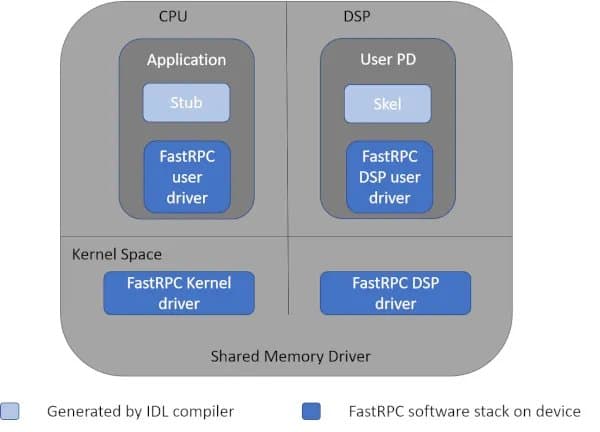
This new driver represents a strategic shift from Qualcomm's existing FastRPC driver, which currently resides in the kernel's drivers/misc/ area. The QDA driver is designed to integrate seamlessly with the kernel's accelerator subsystem, offering improved resource management and features comparable to other accelerator drivers in the ecosystem.
Technical Architecture and Features
The QDA driver brings a comprehensive set of features that align with modern Linux accelerator standards:
- Standard DRM accelerator interface via
/dev/accel/accelN, providing a consistent API for applications - GEM-based buffer management with DMA-BUF import/export support for efficient memory handling
- IOMMU-based memory isolation using per-process context banks for enhanced security
- FastRPC protocol implementation for DSP communication
- RPMsg transport layer for reliable message passing between host and DSP
- Support for all DSP domains (ADSP, CDSP, SDSP, GDSP), ensuring comprehensive coverage
- Comprehensive IOCTL interface for DSP operations
The driver currently consists of 4,665 lines of C code, demonstrating Qualcomm's commitment to a robust and feature-complete implementation.
Why This Matters for the Linux Ecosystem
The introduction of QDA represents more than just another driver addition. It signals Qualcomm's recognition of the importance of standardized interfaces in the Linux kernel. By aligning with the accelerator subsystem rather than maintaining a separate miscellaneous driver, Qualcomm is embracing kernel development best practices.
This approach offers several advantages:
- Better integration with existing kernel infrastructure
- Improved resource management through standardized mechanisms
- Enhanced security via IOMMU-based isolation
- Easier maintenance and updates through subsystem alignment
- Better compatibility with user-space tools and frameworks
Comparison with FastRPC
The QDA driver is positioned as an alternative to Qualcomm's FastRPC driver, which has been the traditional method for accessing DSP capabilities on Qualcomm platforms. While FastRPC has served the community well, the QDA approach offers several improvements:
- Standardization: QDA follows the kernel's accelerator subsystem conventions
- Security: Enhanced memory isolation through IOMMU support
- Performance: Optimized buffer management with GEM and DMA-BUF
- Maintainability: Better integration with kernel development workflows
User-Space Support
Qualcomm has also provided an open-source user-space driver to interface with QDA, available through their FastRPC accel/staging GitHub branch. This ensures that developers have the necessary tools to leverage the new driver's capabilities without being locked into proprietary solutions.
Implications for Developers and Users
For developers working on applications that leverage DSP capabilities, the QDA driver offers a more standardized and potentially more efficient interface. The standard DRM accelerator interface means existing tools and frameworks designed for accelerator devices should work with minimal modifications.
Users of Qualcomm-based systems can expect better performance and security when applications utilize DSP offloading, particularly in areas like multimedia processing, machine learning inference, and signal processing tasks.
Looking Ahead
The RFC nature of this patch series indicates that Qualcomm is seeking community feedback before final integration. This collaborative approach is typical of kernel development and suggests that the final implementation may evolve based on input from maintainers and other stakeholders.
As the Linux kernel continues to evolve as a platform for heterogeneous computing, drivers like QDA that provide standardized interfaces to specialized accelerators will become increasingly important. This move by Qualcomm could influence how other hardware vendors approach DSP and accelerator support in the Linux ecosystem.
For those interested in following the development or contributing feedback, the patch series is available for review through the standard kernel development channels. The Linux community's response to this proposal will likely shape the future of DSP acceleration support in the kernel.
Comments
Please log in or register to join the discussion