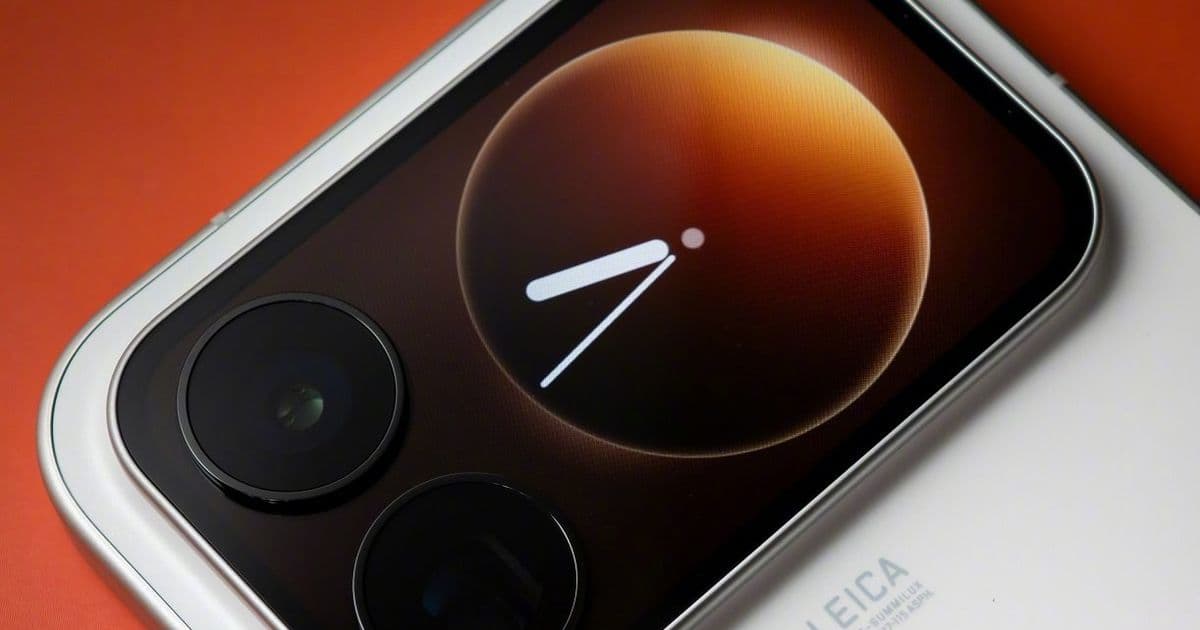
Xiaomi will integrate Samsung's hardware-based Privacy Display feature in its upcoming flagship series, eliminating the need for physical screen protectors while giving users control over screen visibility.
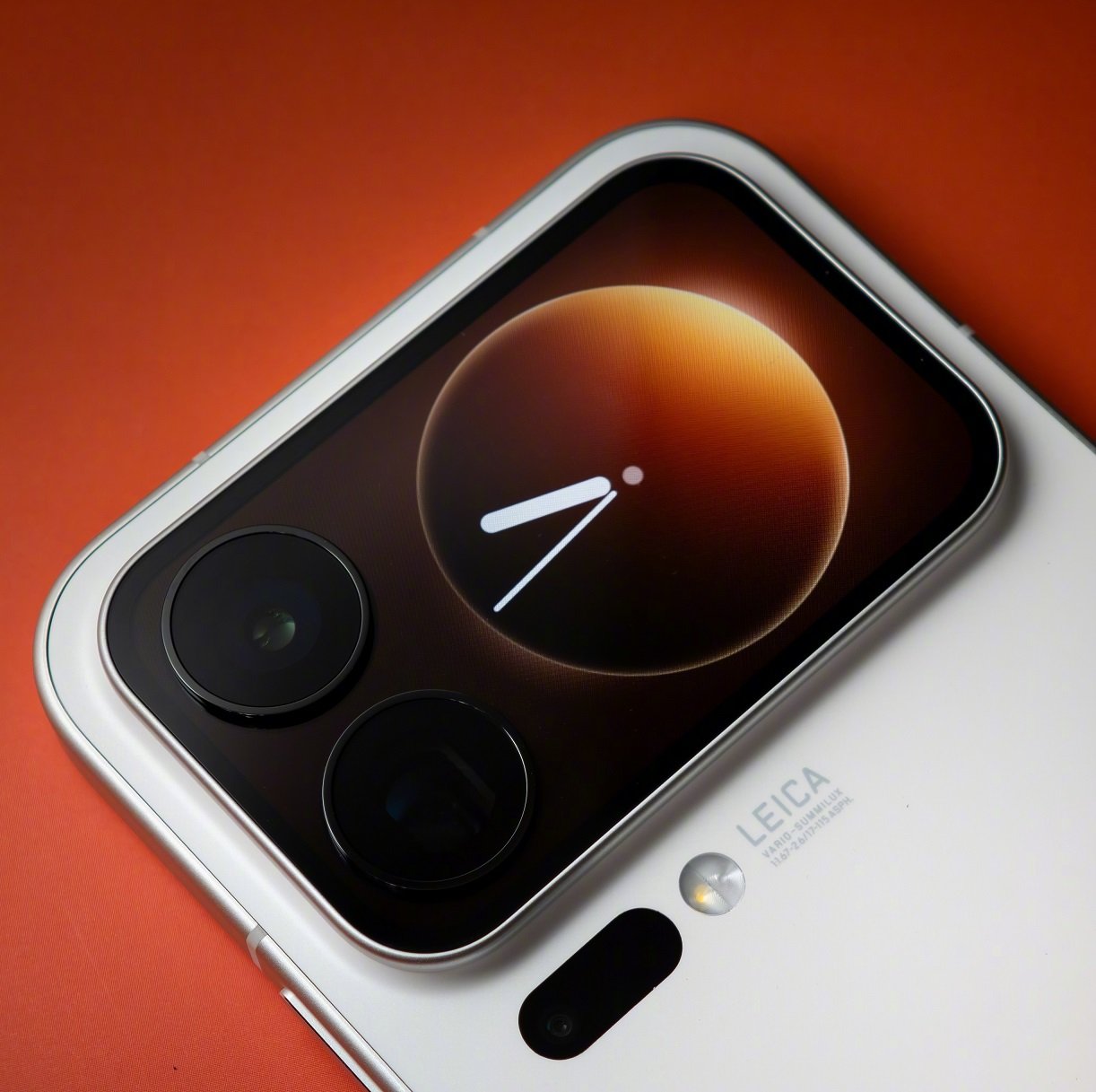
Samsung's Galaxy S26 Ultra may have few upgrades over its predecessor, but its new Privacy Display feature is already inspiring industry adoption. According to leaker Digital Chat Station, Chinese OEMs are actively testing this hardware solution, with Xiaomi's 18 series positioned to debut the technology this September. This represents the first major implementation beyond Samsung's ecosystem.
The Privacy Display fundamentally differs from traditional solutions. Where conventional privacy screen protectors permanently reduce viewing angles and brightness through physical filters, Samsung's hardware approach uses embedded optical layers controlled at the firmware level. Users can toggle privacy mode via quick settings, instantly narrowing the viewing cone to approximately 30 degrees. When disabled, the display returns to full visibility without optical compromises.
Technical documents suggest the system employs micro-louver layers integrated between the OLED panel and cover glass. These microscopic blinds electronically reconfigure to block lateral viewing angles without requiring polarizing filters that diminish brightness. Early testing indicates a maximum 15% luminance reduction in privacy mode—significantly less than the 40-60% loss typical of adhesive privacy protectors.
For potential buyers, this solves two persistent pain points. Commuters and professionals regularly working with sensitive data no longer need to apply aftermarket protectors that degrade display quality. The hardware approach also enables dynamic control: users might disable privacy in safe environments to enjoy full display quality, then activate it instantly on crowded trains or in meetings.
While Xiaomi will likely debut Android's second implementation, Digital Chat Station confirms Oppo and Vivo are developing similar solutions for late 2026 flagships. Industry sources suggest Apple holds parallel patents, though implementation timing remains unconfirmed. Pricing impact appears minimal since the technology leverages existing OLED manufacturing processes with modified deposition layers.
For Xiaomi 18 series buyers, this positions privacy as a core differentiator against Samsung's Ultra models. The feature's success hinges on implementation details: Can Xiaomi match Samsung's claimed 0.1-second activation time? Will it integrate with task-based automation? These questions remain until hands-on testing, but the elimination of compromise between privacy and display quality marks tangible progress in mobile security.
Comments
Please log in or register to join the discussion