
Priced at just $249 for launch, RayNeo's Air 3s Pro XR glasses deliver a 201-inch visual experience with micro-OLED screens and spatial audio, making immersive computing accessible for travelers and remote workers. Despite lacking electrochromic dimming, their lightweight design and versatile accessories offer a compelling entry into augmented reality.
For developers and tech professionals constantly on the move, bulky VR headsets and overpriced AR glasses have long been barriers to portable productivity. Enter the RayNeo Air 3s Pro—a game-changing pair of extended reality (XR) glasses that shatter cost expectations while delivering a cinematic 201-inch screen experience. Priced at a launch special of $249 (regularly $299), these glasses democratize immersive technology, offering a practical solution for coders, designers, and digital nomads seeking big-screen utility without the premium price tag.
Engineering Excellence on a Budget
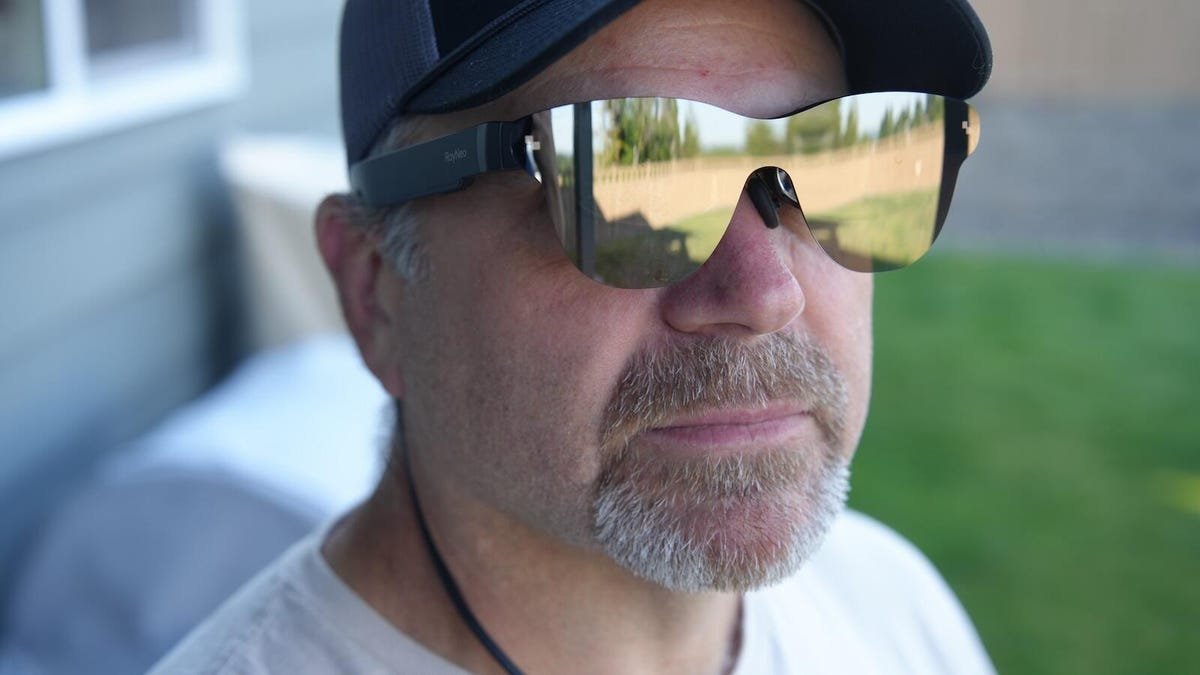
RayNeo leverages cutting-edge micro-OLED displays with RayNeo HueView 2.0 optical coatings to minimize glare and enhance contrast, supporting 20 adjustable brightness levels. This ensures readability in diverse environments, from sun-drenched train cabins to dimly lit flights. Weighing a mere 76 grams, the glasses distribute weight evenly to avoid pressure points during extended use—a critical advantage for developers pulling long coding sessions. The integrated spatial audio system, refined with new algorithms, provides surprisingly robust surround sound through four speakers, though noise-cancelling headphones remain advisable for noisy commutes.
"XR glasses have become one of my most essential travel accessories for working on the go," notes Matthew Miller in his ZDNET review. "The RayNeo Air 3s Pro offers increased brightness and advanced audio at half the cost of flagship competitors."
Real-World Utility and Limitations
For productivity, the glasses natively support display mirroring or extension on macOS and Windows laptops, transforming cramped coffee-shop tables into expansive digital workspaces. However, the absence of electrochromic dimming—a feature in pricier models like Meta Ray-Bans—means users must rely on included snap-on light shades to block ambient glare. This low-tech workaround proves effective but highlights a trade-off for affordability. On the entertainment front, RayNeo’s ecosystem shines: The $99 JoyDock accessory docks both the glasses and a Nintendo Switch with an external battery, while the Pocket TV ($199) serves as an Android-based media hub, preserving smartphone battery life during binge-watching.
Implications for the Tech Ecosystem
The Air 3s Pro’s sub-$300 pricing pressures rivals to prioritize accessibility in the XR market, signaling a shift toward consumer-friendly augmented reality tools. For developers, this opens doors for testing cross-platform applications in lightweight, wearable environments, while remote teams could leverage such devices for collaborative virtual workspaces. As 5G and edge computing mature, affordable glasses like these could accelerate adoption of AR in fields like DevOps, where real-time data overlays and hands-free interfaces boost efficiency.
RayNeo’s strategy—focusing on core functionality over flashy extras—proves that immersive tech needn’t break the bank. For professionals eyeing the next leap in portable computing, the Air 3s Pro isn’t just an accessory; it’s a glimpse into a future where high-fidelity XR integrates seamlessly into our mobile-first lives.
Source: ZDNET
Comments
Please log in or register to join the discussion