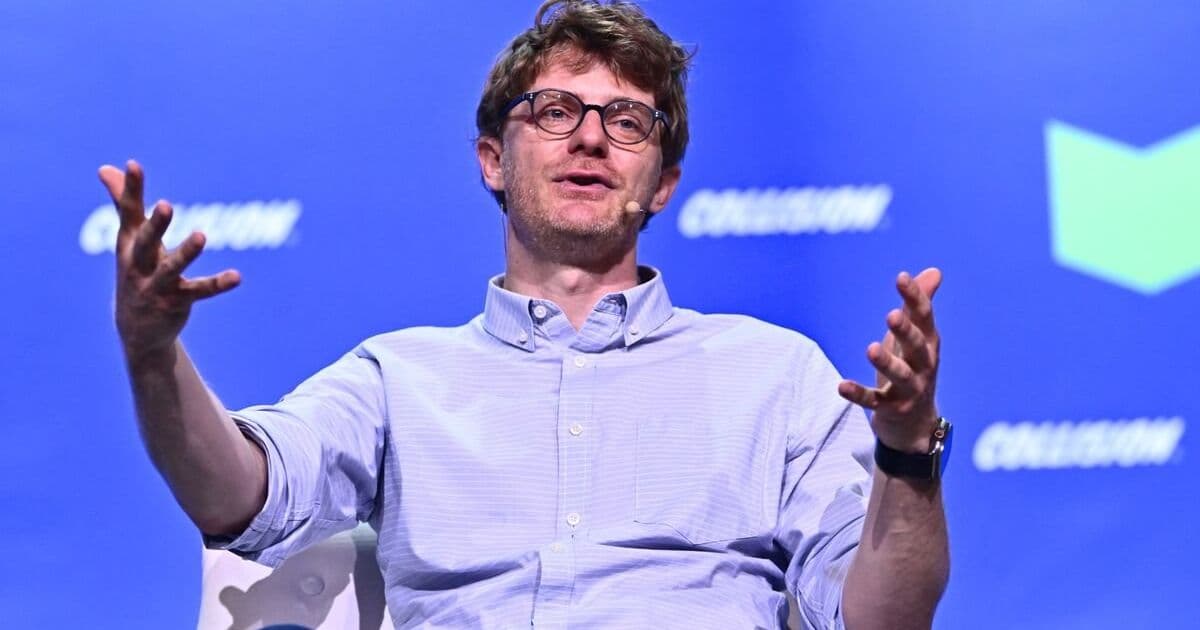
Richard Socher's startup Recursive is negotiating a funding round that could value the AI firm at $4 billion pre-money, signaling intense investor interest in next-generation artificial intelligence systems.
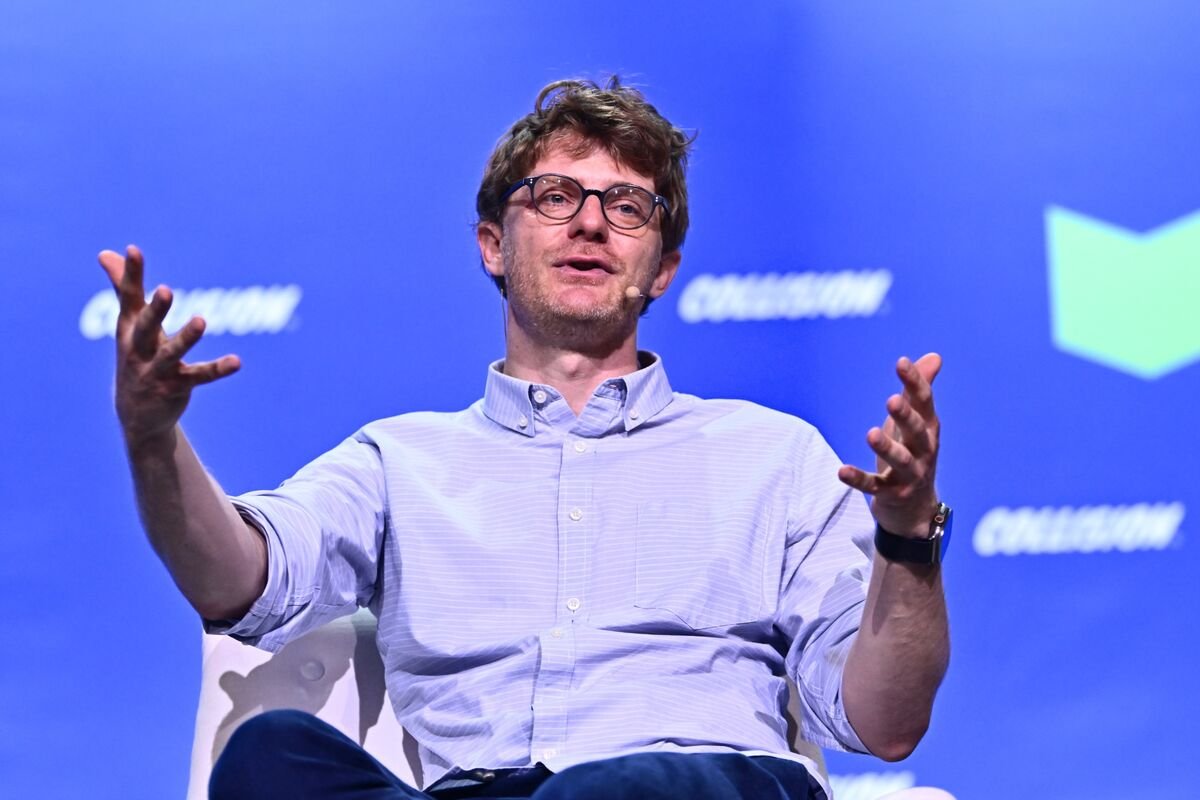
Recursive, a new artificial intelligence venture founded by renowned AI researcher Richard Socher, is in advanced discussions to raise hundreds of millions of dollars at a pre-money valuation of $4 billion according to sources familiar with the matter. The funding would accelerate Recursive's ambitious goal of developing self-improving superintelligent AI systems capable of recursive self-enhancement.
Socher, former Chief Scientist at Salesforce and founder of AI company MetaMind (acquired by Salesforce in 2016), brings substantial credibility to the venture. His expertise in natural language processing and computer vision positions Recursive at the forefront of AI research. The funding discussions occur amid unprecedented capital inflow into advanced AI development, with Anthropic recently reaching $1 billion in annual recurring revenue for its Claude platform and Databricks securing $1.8 billion in fresh debt ahead of a potential IPO.
The $4 billion pre-money valuation reflects heightened investor confidence despite significant technical and regulatory hurdles. Developing recursively self-improving AI requires solving fundamental challenges in algorithmic stability, control mechanisms, and ethical alignment. Recent regulatory actions, including Malaysia's temporary ban on Elon Musk's Grok AI and China's deepening probe into Meta's acquisition of AI startup Manus, demonstrate increasing governmental scrutiny of advanced AI systems.
Market context reveals a pattern of extraordinary valuations for specialized AI firms. Anthropic's coding tool Claude Code now contributes approximately 12% of the company's total revenue, while Google recently invested in Japan's Sakana AI to boost its Gemini platform's regional presence. This funding round would position Recursive among the highest-valued private AI companies globally, alongside firms like Anthropic ($134 billion valuation) and Databricks ($134 billion valuation).
Strategically, Recursive's approach represents a shift toward autonomous AI systems that can iteratively enhance their own capabilities without human intervention. This contrasts with current large language models requiring massive human feedback. Success could create defensible moats through proprietary self-improvement algorithms, but failure risks amplifying existing concerns about uncontrollable AI development. The funding round's size suggests investors anticipate paradigm-shifting breakthroughs within 3-5 years, though technical feasibility remains unproven.
Financial analysts note the valuation implies extraordinary growth expectations. At $4 billion pre-money, Recursive would command approximately 20x the valuation of comparable early-stage AI research firms. This premium likely incorporates projections of first-mover advantage in superintelligent systems, potentially capturing enterprise and government markets currently dominated by OpenAI and Google DeepMind. The capital-intensive nature of AI development—requiring specialized compute infrastructure and elite research talent—makes such substantial funding rounds necessary for competitive viability.
As regulatory frameworks evolve, Recursive's architecture will face scrutiny under emerging AI safety standards. The U.S. National Institute of Standards and Technology's AI Risk Management Framework and the EU AI Act both prioritize controllable systems, creating both compliance challenges and potential differentiation opportunities for recursively improving systems with built-in safety constraints.
Comments
Please log in or register to join the discussion