
A new Rust library delivers cycle‑accurate emulation of the Yamaha YM2149/AY‑3‑8910 sound chip, enabling developers to play classic chiptunes in terminals, browsers, and Bevy games. The project blends a low‑level hardware model with high‑level game‑engine integration, offering a modern toolkit for retro audio enthusiasts and developers alike.
Reimagining Classic Chiptune Audio with Rust
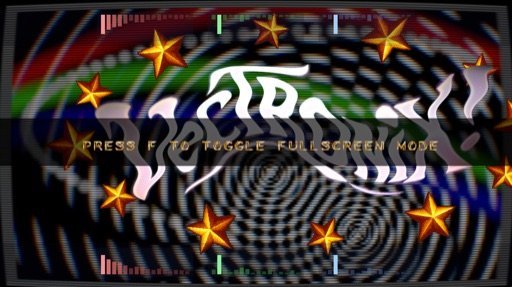
The YM2149/AY‑3‑8910 programmable sound generator (PSG) was the heartbeat of iconic home computers such as the Atari ST, Amstrad CPC, and ZX Spectrum 128. A new open‑source library written entirely in Rust brings that 1980s‑era sound into the 21st century, supporting legacy file formats (SNDH, YM, AY, AKS) and offering real‑time visualization, WebAssembly playback, and a Bevy game‑engine plugin.
Why a Pure‑Rust Implementation Matters
Many modern emulation projects rely on C or C++ bindings, which can introduce ABI fragility and security gaps. By implementing the entire chip model in Rust, the library guarantees memory safety, zero‑cost abstractions, and a single source of truth that can be compiled to WebAssembly or native binaries without external dependencies. "The project is not a wrapper around C code — pure Rust from chip to speaker," the maintainers emphasize.
Cycle‑Accurate Emulation and Feature Set
The core emulation faithfully reproduces the YM2149’s three independent square‑wave channels, 17‑bit LFSR noise generator, and 10‑shape envelope generator with 32‑step resolution. The library exposes a public API that mirrors the chip’s register interface, allowing developers to experiment with envelope synchronization, rapid volume cycling for digitized samples, and pulse‑width modulation techniques that were historically used to push the chip beyond its design limits.
"30+ years of continuous software development — from assembly on 16‑bit machines to Rust on modern systems." This longevity underscores the project's commitment to both historical fidelity and contemporary engineering practices.
Modular Architecture: From Core to Game Engine
The codebase is organized into distinct layers:
- YM2149 Core – a pure‑Rust emulation of the PSG, fully test‑covered with 165+ unit tests.
- Format Players – parsers for SNDH (with Motorola 68000 emulation), YM, AY, AKS, and GIST files, each handling decompression and playback.
- WebAssembly Bindings – a compact 147 KB WASM module that runs in any modern browser, exposing the Web Audio API.
- Bevy Plugin – an Entity‑Component‑System (ECS)‑native interface that integrates seamlessly into Rust game projects.
The Bevy plugin adds high‑level features such as playlists, crossfades, per‑channel muting, and audio‑reactive events (e.g., BeatHit, ChannelSnapshot). It also ships with a visualization crate (bevy_ym2149_viz) that provides oscilloscope and spectrum analyzer components, making it ideal for rhythm games and interactive demos.
Real‑World Use Cases
- Retro Game Audio – Drop authentic PSG audio into a Bevy game with a single line of code, enabling dynamic soundtrack changes based on gameplay events.
- Browser‑Based Chiptune Player – Deploy the WASM module on a website to let users stream thousands of classic tracks without installing any software.
- Educational Tool – The well‑documented, readable source is a perfect learning resource for developers interested in low‑level audio programming and hardware emulation.
Community and Legacy Preservation
The project sits on the shoulders of a vibrant demoscene heritage. It leverages the SNDH Archive’s collection of Atari ST chiptunes, the AY Project’s ZX Spectrum music, and the work of pioneers such as the creator of StSound and AtariAudio. By making these resources available in Rust, the library helps preserve a cultural artifact while opening it up to modern tooling.
Getting Started
A minimal example of initializing the Bevy plugin looks like this:
use bevy::prelude::*;
use bevy_ym2149::{YmSynthPlugin, YmSynthController};

fn main() {
    App::new()
        .add_plugins(DefaultPlugins)
        .add_plugin(YmSynthPlugin::default())
        .add_startup_system(setup)
        .run();
}

fn setup(mut commands: Commands, mut ym: ResMut<YmSynthController>) {
    // Load a YM file and play it
    ym.load("/assets/music.ym");
    ym.play();
}
The library’s documentation, available at ym2149‑rs.org, provides detailed API references, format specifications, and integration guides.
Conclusion
By marrying a historically accurate PSG model with Rust’s safety guarantees and modern web and game‑engine ecosystems, this library offers developers a powerful, versatile toolkit for exploring and deploying classic chiptune audio. Whether you’re building a nostalgic game, creating an interactive web demo, or studying low‑level audio synthesis, the pure‑Rust approach ensures that the legacy of the YM2149 remains accessible and secure for years to come.
Comments
Please log in or register to join the discussion