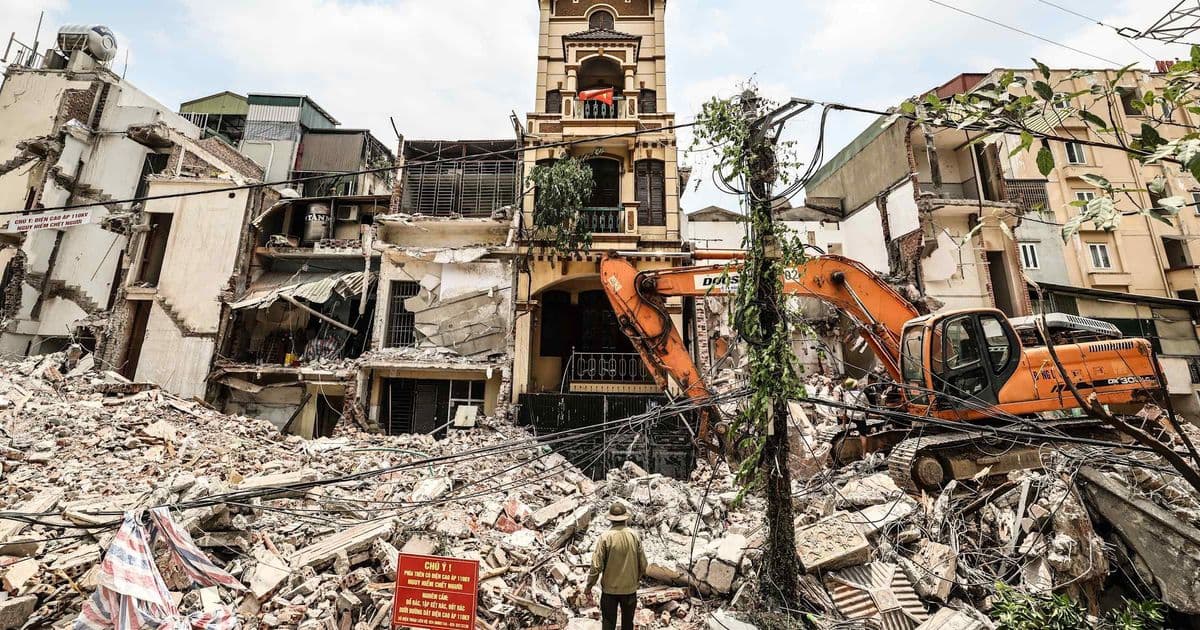
Vietnam’s 100‑Year Master Plan for Hanoi involves demolishing vacant downtown blocks, building new multi‑center districts and launching $49 billion of infrastructure projects. Analysts see the scheme as a catalyst for construction‑sector earnings, a test of state‑owned enterprise reform and a lever to sustain the country’s 10%‑plus GDP target through 2030.
Business news
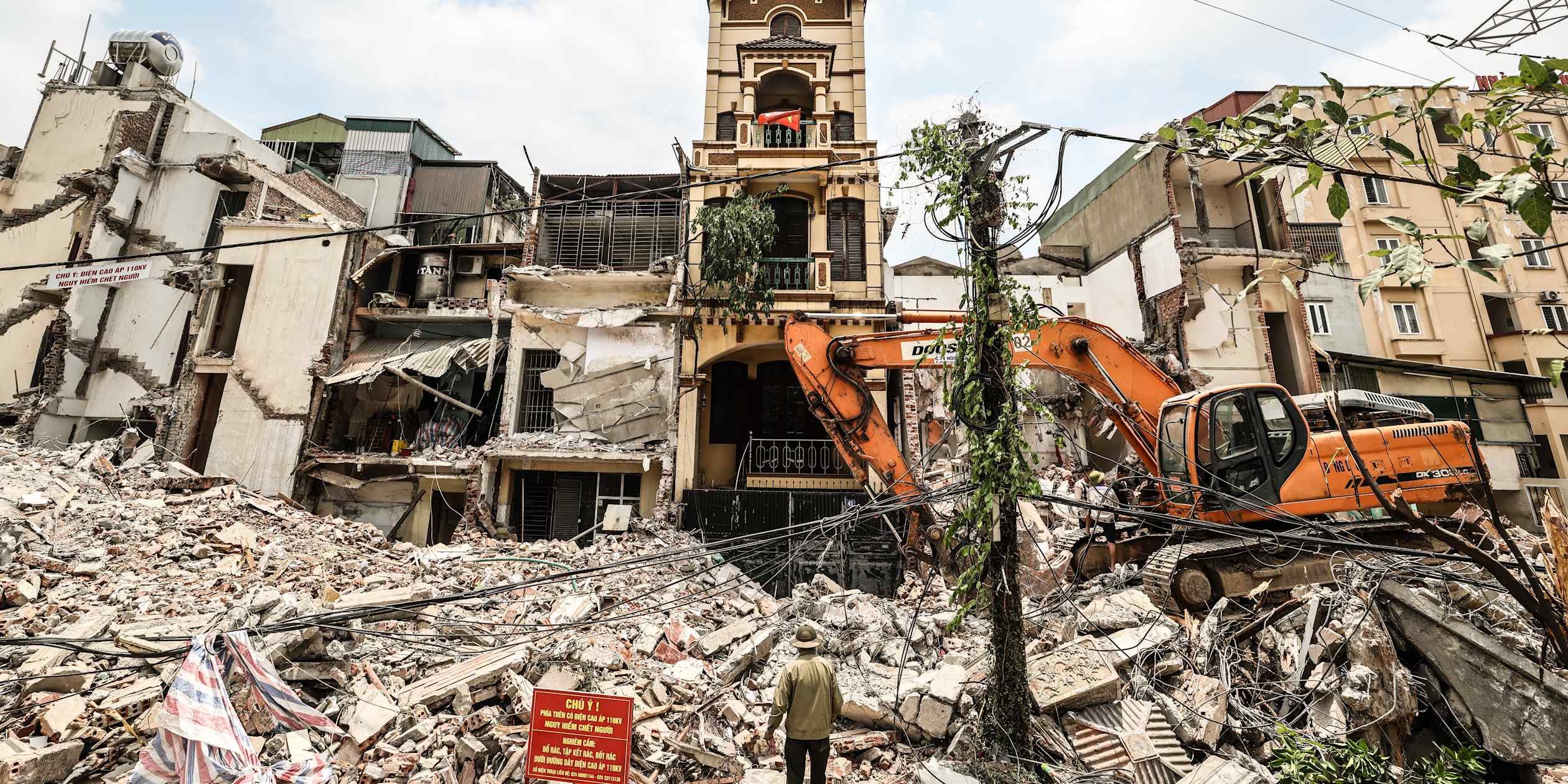
Vietnam’s capital is undergoing its most ambitious transformation since reunification. Under the city’s 100‑Year Master Plan, authorities have begun clearing vacant houses in the historic downtown core and earmarking $49 billion for new transport corridors, mixed‑use districts and high‑tech parks. The plan is a core pillar of the government’s pledge to hit at least 10% annual GDP growth between 2026 and 2030 and to reach “developed‑nation” status by 2045.
Market context
The construction and materials sectors stand to capture the bulk of the spending. In 2025, Vietnam’s building‑materials market was valued at $12.3 billion, growing at 8.4% YoY, according to the Vietnam Construction Association. The Hanoi renewal will add roughly $7 billion in demand for cement, steel and prefabricated components annually for the next five years, pushing sector revenues to an estimated $17 billion by 2030.
State‑owned enterprises (SOEs) such as Hoa Binh Construction and Vietnam Railways have been tasked with delivering key projects, including a new metro line (Phase 3, 45 km) and a ring‑road that will cut travel times across the city by 30%. The Ministry of Planning and Investment has pledged $3.2 billion in preferential loans to these SOEs, contingent on meeting efficiency targets set in the recent corporate‑governance reform.
Foreign direct investment (FDI) flows have already responded. In the first quarter of 2026, Hanoi attracted $2.1 billion in new FDI, a 22% increase from the same period in 2025, with the majority coming from Japan, South Korea and the EU for real‑estate and technology‑park development.
What it means
- Earnings boost for construction firms – Analysts at Morgan Stanley project an average 15% earnings‑per‑share uplift for listed Vietnamese construction companies over the 2026‑2030 horizon, assuming the plan stays on schedule.
- SOE reform pressure – The loan conditions tie capital allocation to profitability and transparency metrics, accelerating the government’s broader push to reduce state‑sector debt, which currently sits at 68% of GDP.
- Urban‑mobility gains – The new metro and ring‑road are expected to increase labor‑force participation by 0.4 percentage points by 2030, as commuting becomes faster and more reliable, supporting the 10% growth target.
- Real‑estate price dynamics – While demolition of vacant blocks may tighten supply in the short term, the creation of high‑density, mixed‑use zones is likely to lift average apartment prices by 12‑15% in the central districts by 2029, according to a study by Savills Vietnam.
- Talent attraction – The plan includes a “global talent hub” with tax incentives for overseas Vietnamese and foreign specialists. Early enrollment figures show 5,800 applications for the pilot program, a sign that the city could become a magnet for tech and research talent, complementing the growth of the Danang and Ho Chi Minh City tech corridors.
Overall, Hanoi’s renewal is more than a city‑beautification project; it is a fiscal engine designed to sustain Vietnam’s high‑growth trajectory, test the resilience of its SOE reform agenda, and position the capital as a regional hub for innovation and logistics.
Sources: Vietnam Ministry of Construction, Vietnam Construction Association, Morgan Stanley Vietnam Equity Research, Savills Vietnam Market Report (2026).
Comments
Please log in or register to join the discussion