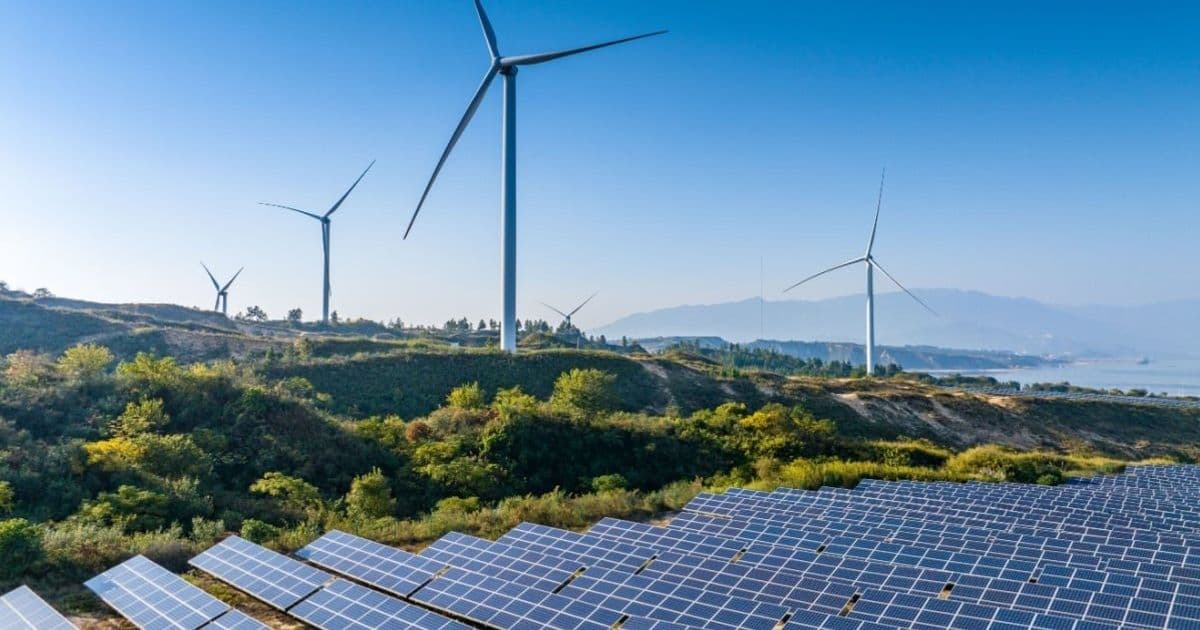
Renewable energy reached nearly half of global electricity capacity in 2025, driven by record solar installations, but fossil fuel additions and surging AI datacenter power demand threaten climate goals.
Global renewable energy capacity reached a historic milestone in 2025, accounting for 49.4% of total installed electricity capacity worldwide, according to the International Renewable Energy Agency's (IRENA) 2026 Renewable Capacity Statistics report. The surge was primarily driven by solar power, which dominated new renewable installations and helped push the sector to record growth levels.
Record-breaking renewable expansion
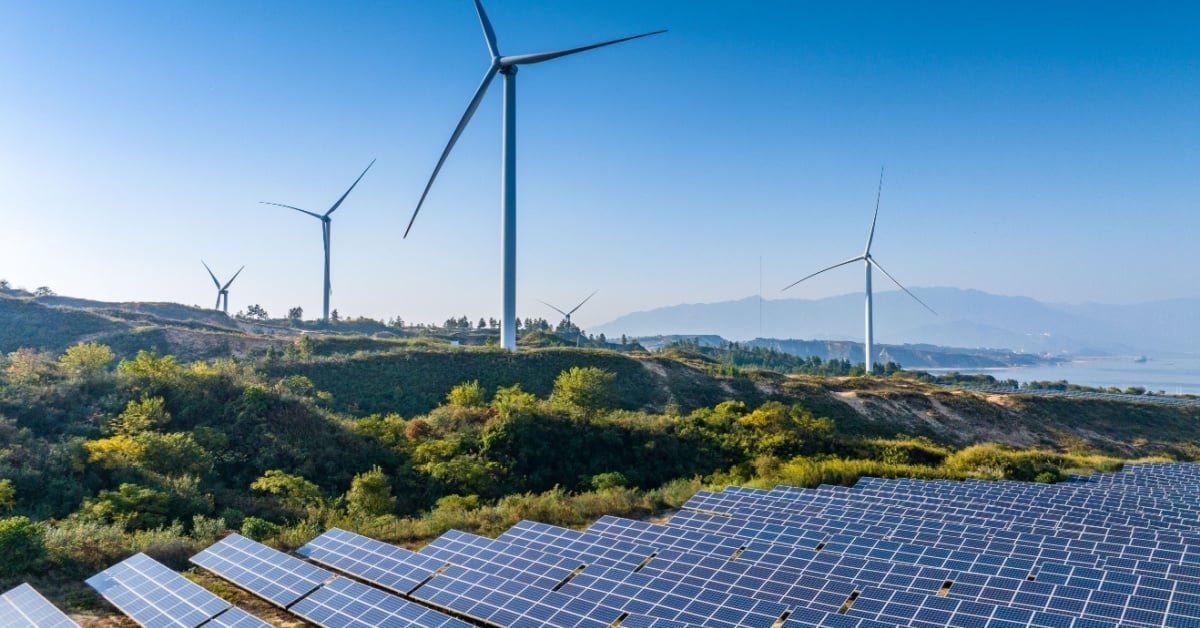
The numbers are impressive: renewable energy sources accounted for 85.6% of all new power capacity additions globally in 2025, with total renewable capacity expanding by a record 15.5% year-over-year to reach 5.15 terawatts. Solar installations were particularly dominant, representing nearly three-quarters of all renewable capacity additions last year, totaling 692 gigawatts of new capacity.
This growth pushed variable renewable sources like solar and wind to approximately 35% of total global electricity capacity. For context, it was only in 2023 that renewable energy sources first crossed the threshold of generating 30% of the world's electricity.
The fossil fuel rebound
Despite these gains, the report reveals a concerning trend: non-renewable capacity additions nearly doubled in 2025 compared to the previous year. China led this resurgence, adding 100 gigawatts of non-renewable capacity, predominantly coal-fired power plants. This rebound in fossil fuel infrastructure threatens to undermine the progress made in renewable energy deployment.
Natural gas projects saw particularly strong growth in the United States, where such projects nearly tripled last year. This surge is directly linked to the explosive growth of AI datacenters and the US government's policy emphasis on AI development over sustainability concerns.
AI's growing energy appetite
The AI revolution is creating unprecedented demand for power. Datacenters require massive amounts of electricity to train large language models and run inference operations. This demand has led to a resurgence in both natural gas and coal projects, as tech companies and utilities struggle to meet the baseload power requirements that intermittent renewable sources cannot always provide.
Industry analysts note that while tech giants publicly commit to renewable energy goals, the practical demands of AI infrastructure often necessitate reliable, always-available power sources that fossil fuels can provide.
Climate commitments at risk
The findings raise serious questions about the world's ability to meet its climate commitments. At the COP28 climate conference in 2023, world leaders pledged to triple installed renewable energy capacity to more than 11 terawatts by 2030. With the world currently at 5.15 terawatts of renewable capacity, IRENA warns that "significant acceleration will be required" to meet this goal.
The agency's concerns are compounded by the fact that the 85.6% share of new capacity additions from renewables actually represents a decrease from 2024, when renewables accounted for about 92% of global capacity additions. This reversal suggests that the momentum behind renewable energy deployment may be slowing at a critical juncture.
Energy security and geopolitical factors
IRENA Director General Francesco La Camera emphasized that the current geopolitical climate, particularly the US conflict with Iran causing fuel price spikes and energy instability, should serve as a catalyst for renewable energy adoption. "A more decentralised energy system, with a growing share of renewables and more market players, is structurally more resilient," La Camera stated.
Countries that have invested heavily in renewable energy are proving more resilient to current energy market volatility, experiencing less economic damage while boosting energy security, resilience, and competitiveness.
The path forward
The data presents a complex picture: while renewable energy has achieved remarkable growth and now represents nearly half of global electricity capacity, the simultaneous expansion of fossil fuel infrastructure and the massive power demands of AI technologies threaten to derail climate progress.
The challenge moving forward will be maintaining the momentum of renewable energy deployment while addressing the practical energy needs of emerging technologies. This may require innovations in energy storage, grid management, and the development of more efficient computing technologies that can deliver AI capabilities without the massive power requirements of current systems.
As the world approaches the 2030 deadline for climate commitments, the tension between technological progress and environmental sustainability has never been more apparent. The next few years will be critical in determining whether renewable energy can maintain its growth trajectory or whether the demands of the AI era will push the world further from its climate goals.
Comments
Please log in or register to join the discussion