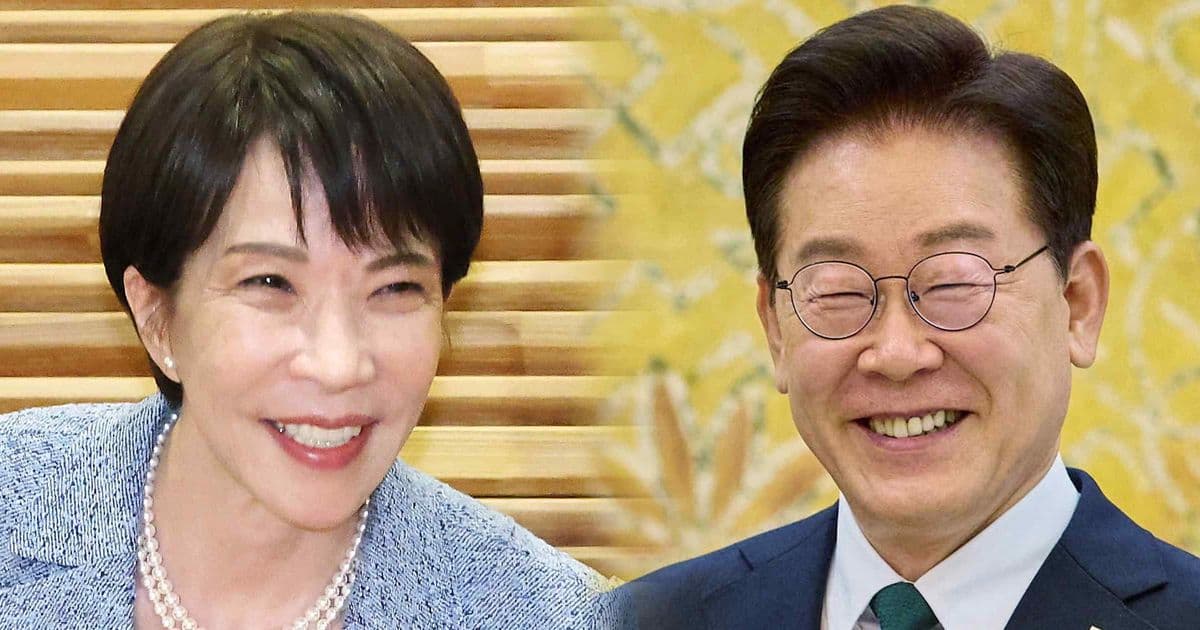
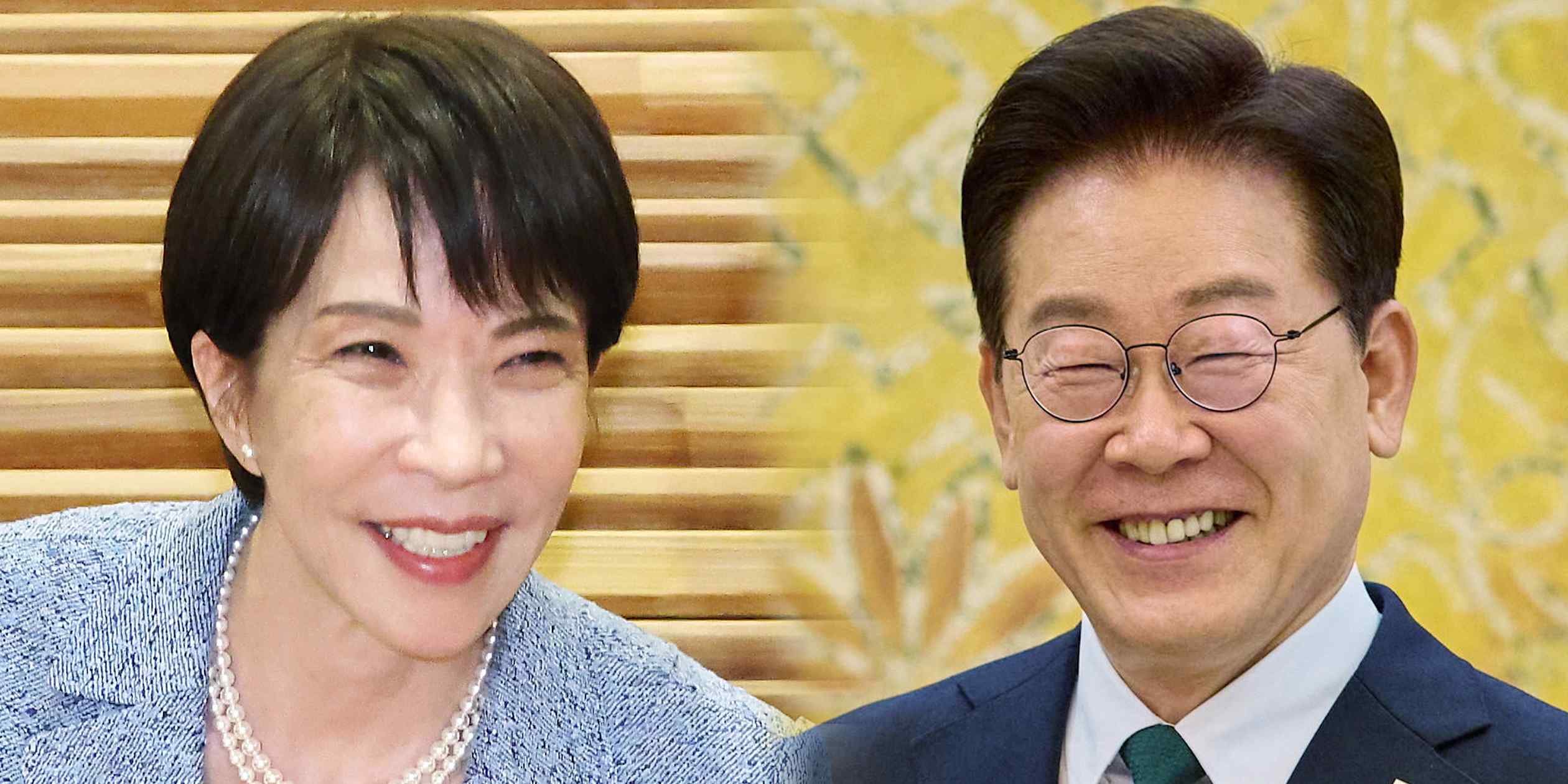
Japanese Prime Minister Sanae Takaichi and South Korean President Lee Jae Myung meet in Andong for their second summit this year, continuing efforts to normalize historically difficult bilateral relations while navigating complex regional dynamics.
Japanese Prime Minister Sanae Takaichi and South Korean President Lee Jae Myung convened in Andong, South Korea, on Tuesday for their second bilateral summit this year, demonstrating a sustained commitment to improving relations that have historically been marked by tensions. The meeting, held in President Lee's hometown, represents a continuation of the "shuttle diplomacy" approach both leaders have adopted to maintain positive dialogue despite significant regional challenges.
The summit occurs at a critical juncture in East Asian geopolitics, with both nations facing pressure from multiple directions. The potential return of Donald Trump to the U.S. presidency introduces uncertainty in security alliances, while China's growing regional influence and ongoing conflicts in the Middle East create additional strategic complexities. Against this backdrop, Japan and South Korea's diplomatic engagement takes on heightened significance.
Economic cooperation appears to be a central focus of the renewed relationship. The two nations have made notable progress in economic collaboration, with South Korea's recent decision to join Japan's plan for joint oil reserves representing a significant step in energy security cooperation. This initiative could reduce both countries' vulnerability to supply disruptions in an increasingly volatile global energy market.
The technology sector offers another avenue for partnership, particularly in the rapidly evolving artificial intelligence landscape. South Korea has begun to critically examine "who owns the AI boom," reflecting concerns about technological sovereignty and equitable distribution of AI benefits. This discussion aligns with Japan's own strategic interests in AI development, suggesting potential collaboration in research, standard-setting, and ethical frameworks.
Security considerations also feature prominently in the bilateral relationship. With North Korea's economic activities showing unexpected benefits from the Ukraine war, both nations face renewed security challenges. The reported discussions between NATO and Japan regarding shared use of satellite launch sites indicate a broader alignment of security interests, potentially extending to include South Korea in future cooperative arrangements.
Defense industry developments further illustrate the changing security landscape. South Korea's Hanwha has been building an "arms empire" as conflicts in Ukraine and Iran spur increased defense spending across the region. This expansion presents both opportunities and challenges for Japan's defense industry, potentially leading to increased defense cooperation or competition.
The personal rapport between the two leaders appears to be facilitating diplomatic progress. Their previous meeting in January, where they participated in a drumming performance together, signaled a departure from the formal, often strained interactions characteristic of past Japan-South Korea relations. This personal connection may be translating into more substantive policy coordination.
The economic stakes for both nations are substantial. Japan's top banks recently reported record profits driven by M&A lending, reflecting a robust financial sector that could support expanded investment in South Korea. Similarly, South Korea's technological expertise in areas like semiconductors and electronics complements Japan's strengths in manufacturing and industrial robotics, creating a foundation for mutually beneficial economic integration.
Regional dynamics add further context to the bilateral relationship. The recent meeting between Chinese President Xi and Russian President Putin following Donald Trump's visit to Beijing underscores the complex geopolitical positioning of East Asian nations. Japan and South Korea's improving relationship can be viewed as part of a broader strategy to maintain autonomy while engaging with multiple regional powers.
The diplomatic engagement between Tokyo and Seoul occurs against a backdrop of several significant international developments. The BRICS meeting concluded in India without a joint statement amid the Iran crisis, reflecting divisions among major emerging economies. Meanwhile, India's Tamil Nadu region has shown signs of ethnic tensions with Sri Lanka, indicating persistent regional fault lines.
Energy security represents another critical area of potential cooperation. Japan's recent receipt of its first LNG via the Strait of Hormuz since the de facto closure of the route highlights the vulnerability of energy supply chains. South Korea's participation in joint oil reserves could evolve into more comprehensive energy cooperation, including coordinated responses to supply disruptions and joint investments in alternative energy sources.
The human dimension of the relationship should not be overlooked. The decision to hold the summit in Andong, President Lee's hometown, carries symbolic significance, emphasizing the personal connections underlying diplomatic relations. This approach contrasts with previous interactions that often occurred in more formal, politically charged settings.
Looking ahead, the Japan-South Korea relationship appears to be entering a period of relative stability after years of marked fluctuations. The sustained high-level engagement, economic cooperation initiatives, and security consultations suggest a more durable foundation for bilateral relations. However, long-standing historical issues and competing strategic interests will continue to require careful management.
The outcome of this summit could significantly influence regional dynamics in East Asia. A strengthened Japan-South Korea partnership would enhance both nations' ability to navigate complex regional challenges while maintaining independent foreign policy orientations. This relationship, in turn, affects calculations by other regional powers, including the United States, China, and Russia.
As both nations face demographic challenges and economic transformations, their bilateral relationship may evolve to encompass broader areas of cooperation. Aging populations, technological innovation, and economic restructuring all present opportunities for Japan and South Korea to leverage complementary strengths while addressing shared challenges.
The continued diplomatic engagement between Tokyo and Seoul demonstrates that even historically difficult relationships can be transformed through sustained political commitment and strategic alignment. While challenges remain, the current trajectory suggests a more stable and productive future for Japan-South Korea relations.
Comments
Please log in or register to join the discussion