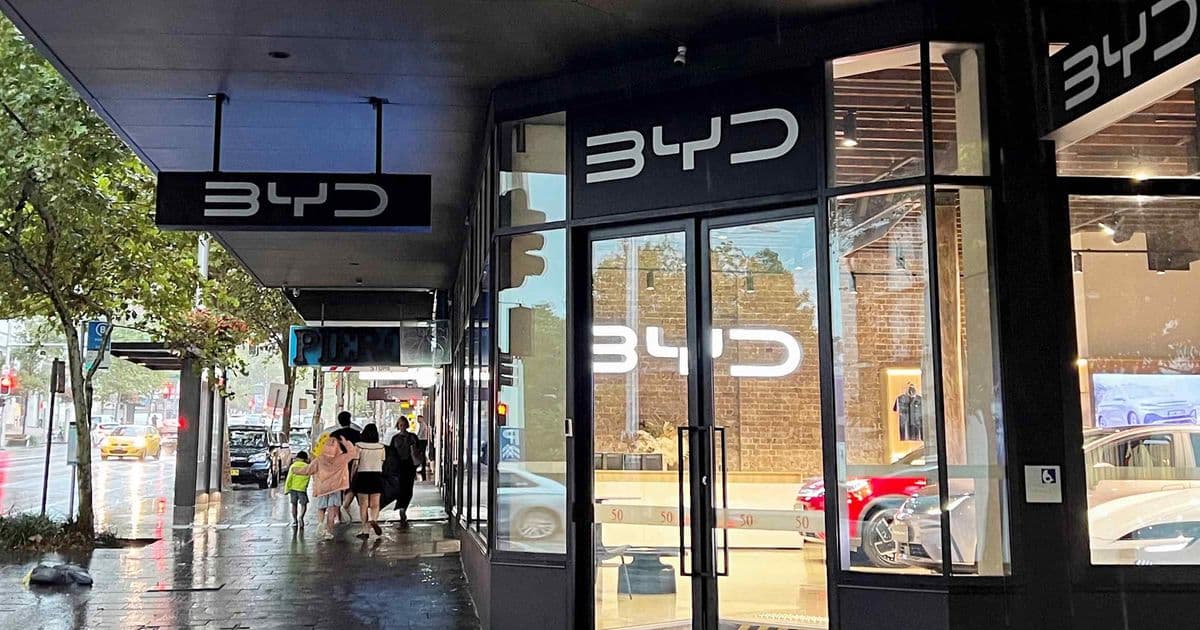
Rising fuel costs linked to the Middle East conflict have accelerated EV adoption in Australia, propelling BYD’s sales to a 42% YoY increase while Toyota’s market share fell 3 points. The shift reshapes import dynamics, pressures legacy manufacturers, and signals a broader realignment toward Chinese EVs in the region.
BYD’s Australian sales jump as fuel prices spike
Australian import data for May 2026 show BYD delivering 1.2 million vehicles to the market in the past 12 months, a 42 % year‑on‑year increase. The bulk of the growth comes from battery‑electric models such as the Atto 3 and the newly launched Seal EV, which together account for roughly 68 % of BYD’s Australian volume.
By contrast, Toyota’s total shipments fell to 850,000 units, a 3 percentage‑point loss in market share from the same period a year earlier. The decline is driven primarily by a 15 % drop in sales of its hybrid‑focused Corolla and Camry lines, as consumers trade fuel‑inefficient models for fully electric alternatives.
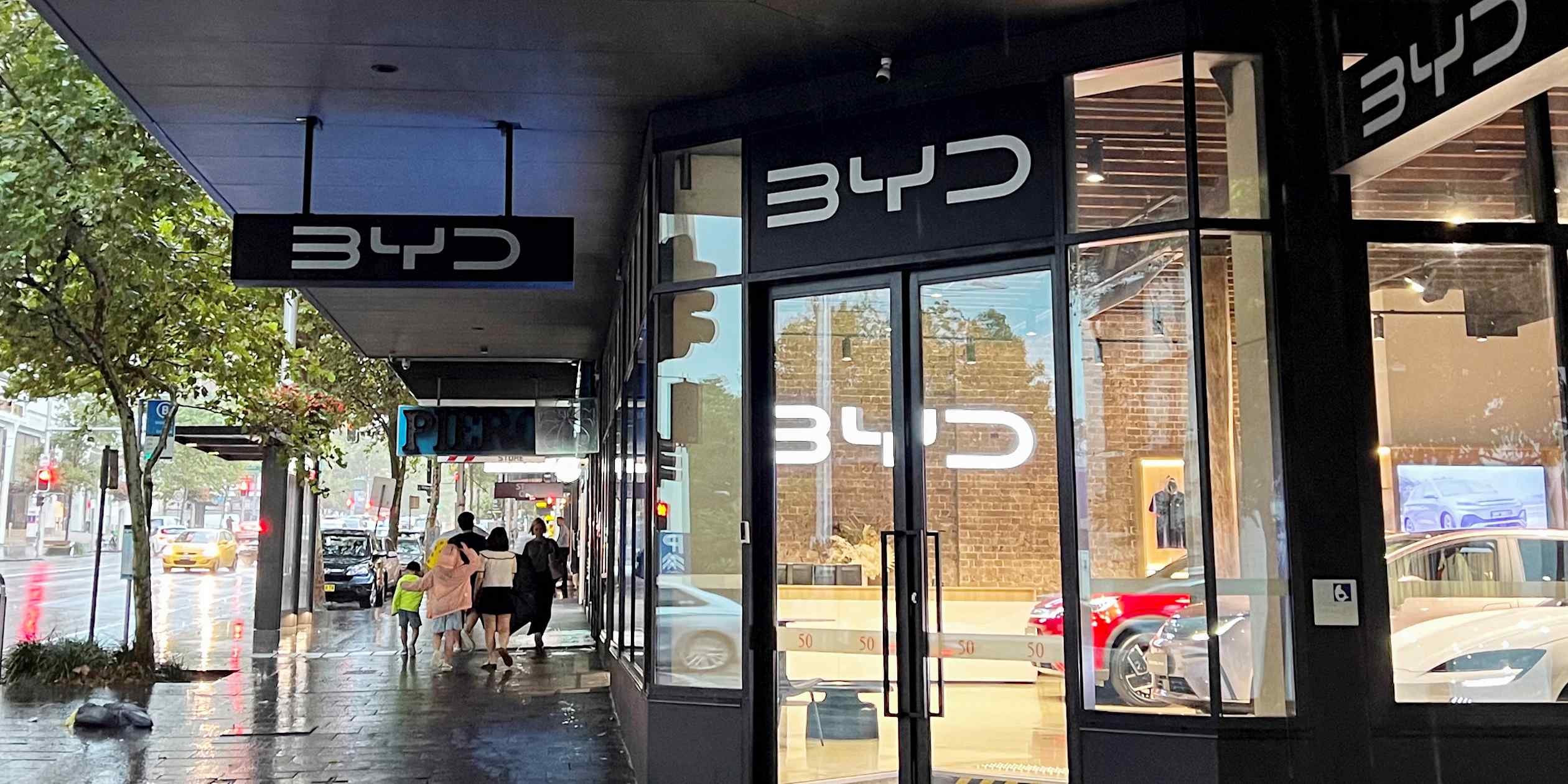
Market context: oil price shock and import realignment
The price of Brent crude has hovered around US$115 /barrel since the escalation of hostilities in the Middle East in early 2026, up from US$78 /barrel a year earlier. Australian pump prices have risen by ≈30 %, pushing the average household’s fuel expense to AU$2,340 per year.
Higher fuel costs have traditionally boosted hybrid sales, but the rapid price erosion of lithium‑ion batteries—down 23 % in wholesale cost since 2024—has made fully electric cars financially competitive even without subsidies. The Australian Government’s $2,000 EV rebate (effective until June 2027) further narrows the price gap.
Import patterns reflect the shift. Chinese‑origin vehicle imports now exceed Japanese‑origin shipments for the first time, accounting for 45 % of total vehicle imports versus Japan’s 38 %. The trend is amplified by BYD’s aggressive pricing strategy—its Atto 3 starts at AU$31,990, undercutting Toyota’s Corolla Hybrid by ≈AU$4,500.
Strategic implications for automakers and the supply chain
Chinese EV makers gain bargaining power – BYD’s scale allows it to negotiate bulk discounts on Australian‑sourced components, such as locally assembled battery packs from Lithion Power. This could pressure domestic parts suppliers to lower prices or risk losing contracts.
Toyota must accelerate its pure‑EV rollout – Toyota’s current Australian lineup is dominated by hybrids. To regain share, the company announced a AU$150 million investment in a Canberra‑based battery‑assembly plant, targeting a 2028 launch of the bZ4X at a price comparable to BYD’s Seal.
Policy makers may recalibrate incentives – With Chinese EVs now the dominant import, the government could consider tightening eligibility criteria for the rebate to favour locally assembled models, thereby protecting domestic manufacturing jobs.
Infrastructure rollout speeds up – The surge in EV registrations (up 28 % YoY) is prompting the Australian Energy Market Operator to fast‑track the installation of 5,000 additional fast‑charging stations by 2029, a move that will further reduce range‑anxiety concerns.
What it means for the broader Australian auto market
The data suggest a structural shift rather than a temporary response to fuel prices. If oil remains elevated and battery costs continue to fall, BYD’s market share could breach the 30 % threshold by 2028, positioning it as the largest foreign passenger‑vehicle supplier in Australia.
For legacy Japanese manufacturers, the challenge is twofold: re‑engineer pricing to stay competitive and expand pure‑EV portfolios faster than the current roadmap. Failure to do so may result in a double‑digit decline in Australian sales, echoing trends already observed in Europe where Chinese EVs have captured 12 % of new‑car registrations in 2025.
Overall, the oil price shock has acted as a catalyst, accelerating a transition that was already underway. Stakeholders—from automakers to policymakers—must adapt quickly to a market where Chinese EVs are no longer a niche offering but a mainstream choice for Australian drivers.
Comments
Please log in or register to join the discussion