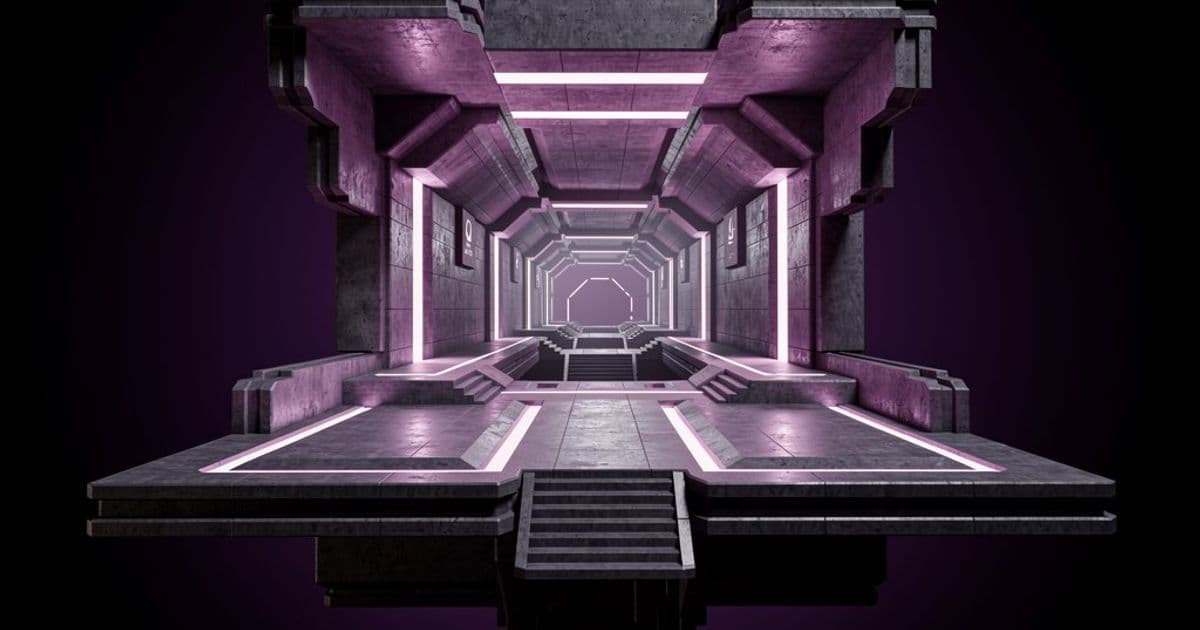
Rediscovered design theories from PlanetQuake's TEAMShambler reveal surprisingly relevant principles for single-player level creation, emphasizing quality control, thematic cohesion, and player-centric design that still challenge contemporary developers.
A comprehensive archive of Quake level design philosophies has resurfaced, offering a time capsule of mid-90s game development wisdom that remains strikingly pertinent. Hosted originally on PlanetQuake News, TEAMShambler's meticulously documented theories for Quake 1 single-player mapping provide not just historical insight but actionable design principles resisting obsolescence. These guidelines, penned from a player's perspective rather than a developer's, dissect the anatomy of compelling level design with rigor rarely seen in contemporary tutorials.
Theory 0: The Non-Negotiable Quality Mandate The cornerstone principle (Theory 0) remains uncompromising: "If you publicly release a map, that map must be good quality and worth playing." This directive challenges modern 'release early, iterate often' culture, asserting that learning prototypes belong on hard drives—not public distribution. The theory argues that Id Software's original levels established an irreducible quality baseline, and that first-time mappers bear equal responsibility for meeting it. Crucially, it distinguishes between technical capability (building geometry/textures) and design competence (crafting meaningful experiences), a dichotomy still relevant in today's accessible game engines.
Theory 1: Defining 'Proper' SP Design Beyond technical executability, TEAMShambler's definition of a 'proper' single-player level establishes structural pillars still foundational:
- Intentional SP Design: Levels must be conceived specifically for single-player engagement.
- Clear Progression Logic: Mandatory entrance/exit points with purposeful traversal between them.
- Architectural Complexity: Multi-area layouts demanding exploration (minimum 20-30 enemies strategically placed).
- Accessibility Baseline: Completion possible without cheats, console commands, or expert trick jumps.
- Technical Sanity: Stable performance (>20 FPS in 1996 hardware context) and crash-free execution.
Theory 2: Enduring Anti-Patterns The catalog of common flaws reads like a modern indie post-mortem checklist:
- Thematic Incoherence: Random stylistic clashes undermining immersion ("an incoherent mess with no sense of 'place'").
- Reverse Difficulty Curve: Levels starting brutally hard (low resources) then becoming trivial (fully armed).
- Visual Neglect: Over-reliance on right angles, inconsistent scaling, and texture misuse.
- Unfair Player Punishment: Instant-death traps and unavoidable surprise attacks.
- Obscure Progression: Essential path elements hidden in secrets or requiring niche movement tech.
- Poor Monster Utilization: Ignoring AI pathfinding limits or creating unfun combat scenarios (e.g., grenade-spamming Ogres in confined spaces).
Theory 3: Timeless Visual Design Philosophy Perhaps most remarkably, Theory 3's analysis of visual quality anticipates modern environmental storytelling:
- Theme as Foundation: Consistent style, color palettes, and proportions creating believable spaces.
- Structural Authenticity: Designs reflecting purpose (caverns appearing geological, bases feeling engineered).
- Detail Hierarchy: Balanced large-scale structures and fine details avoiding visual noise.
- Texture Intentionality: Alignment precision and context-appropriate usage (avoiding stretched/cropped assets).
- Lighting as Atmosphere: Sourced vs. ambient light distinction enhancing mood and realism.
The document notably champions Quake's inherent strengths ("grimy, brooding, solid designs") over forcing unsuitable aesthetics—a rebuke to trends sacrificing thematic integrity for graphical trends. Its emphasis on player psychology (e.g., overly difficult levels obscuring environmental artistry) remains a powerful critique of modern difficulty balancing.
Why This Retro Framework Resonates Now TEAMShambler's work gains relevance in an era of accessible tools and abundant asset stores. When visual polish can be superficially achieved with purchased assets, these theories refocus attention on intentional design, player psychology, and structural coherence. The insistence that thematic consistency and thoughtful progression trump graphical fidelity feels almost radical today. For modern mappers in engines like Unreal or Unity, these documents offer not just nostalgia, but a masterclass in designing spaces where gameplay, aesthetics, and player experience converge—proving foundational design principles transcend technological evolution
Comments
Please log in or register to join the discussion