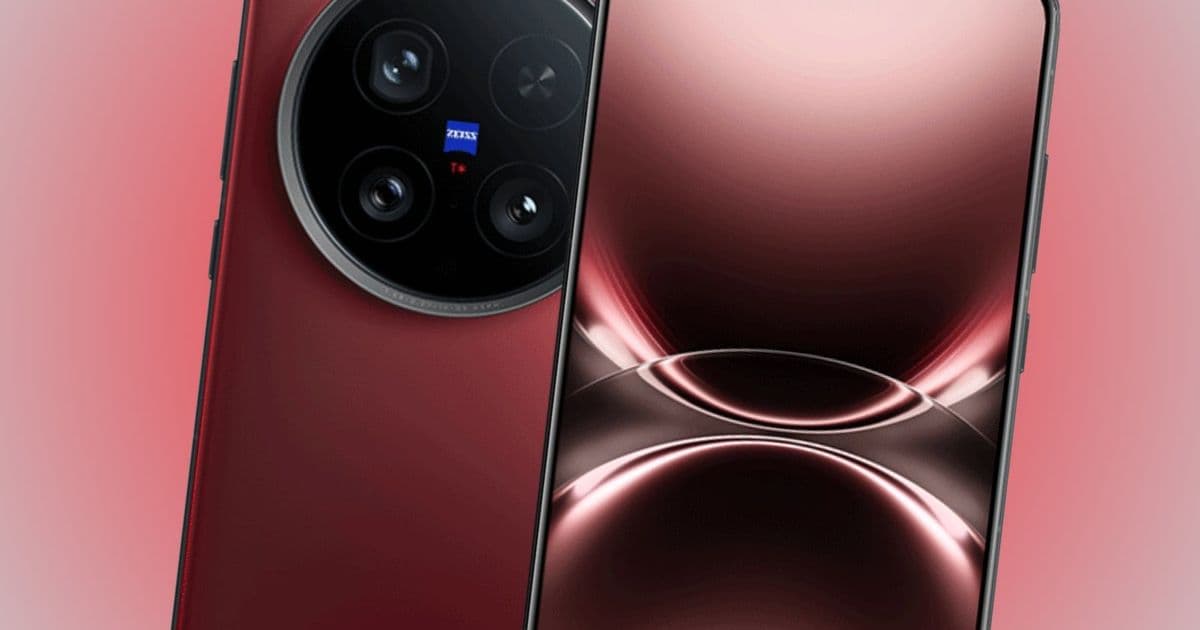
Vivo appears ready to expand its flagship X series beyond China with certifications confirming global launches for both the X300 Ultra and X300 FE models, marking a significant shift from previous generations.
What's New: Global Expansion and Certification Evidence
Vivo seems to be breaking with tradition by preparing global launches for its upcoming X300 series, as evidenced by recent certification filings. The company's previous X200 Ultra remained a China-exclusive model, but the X300 Ultra is now confirmed through multiple certifications to be heading to international markets.
The evidence trail began with the "V2562" model number clearing both the Eurasian Economic Commission (EEC) and TKDN certifications, though without explicit device name confirmation. Now, Indonesia's SDPPI certification has definitively linked the V2562 model to the Vivo X300 Ultra's global variant. This certification is particularly significant as it often precedes market launches in Southeast Asian markets.
Alongside the Ultra model, the Vivo X300 FE has also cleared SDPPI certification under the model number "V2537." Recent Geekbench listings revealed the X300 FE will be powered by the Snapdragon 8 Gen 5 processor, positioning it as a more affordable flagship option. The FE variant is expected to be a rebranded version of the Vivo S50 Pro Mini that launched exclusively in China.
How It Compares: Generational and Competitive Analysis
The move to global markets for the X300 Ultra represents a strategic shift for Vivo. Unlike the X200 Ultra, which was limited to China, the X300 Ultra's international expansion suggests Vivo is more confident in its flagship capabilities and aims to compete directly with established global players like Samsung, Google, and Apple.
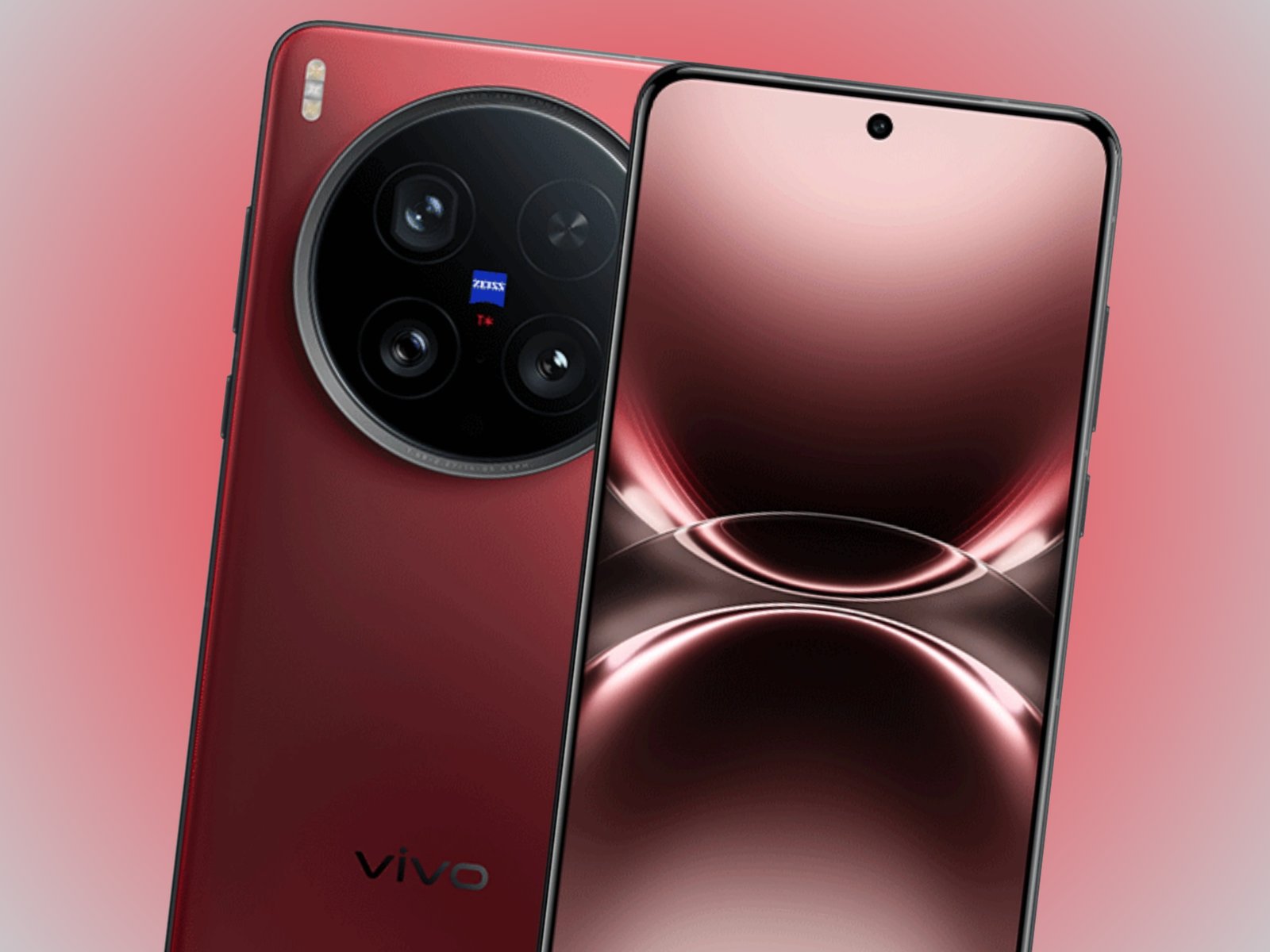
In terms of specifications, the X300 Ultra appears to be a substantial upgrade over its predecessor. Leaks indicate a 6.82-inch flat LTPO OLED panel with 2K resolution, offering improved clarity and efficiency compared to the X200 Ultra's display. The camera system sees a significant upgrade with a triple Zeiss-branded setup featuring a 200MP primary sensor, 200MP periscope telephoto lens, and 50MP ultrawide camera. This represents a notable improvement over the X200 Ultra's camera configuration.
Processor-wise, the X300 Ultra is tipped to use the Snapdragon 8 Elite Gen 5, positioning it as a direct competitor to other 2024 flagships. This contrasts with the Dimensity 9500 expected in the standard X300 Pro, suggesting Vivo is creating a clear differentiation between its Ultra and Pro models globally.
The X300 FE, while positioned as a more affordable option, still packs impressive hardware with the Snapdragon 8 Gen 5 processor. This places it in the upper mid-range segment, likely competing with devices like the Samsung Galaxy S23 FE and Google Pixel 8a, though potentially with more premium camera credentials inherited from Vivo's flagship series.
Battery technology sees a significant leap with the X300 Ultra rumored to feature a 7,000mAh battery with 120W fast charging support. This combination addresses two key concerns for power users: battery life and recharge speed. For context, the 7,000mAh capacity would be among the largest in flagship smartphones, while the 120W charging is among the fastest available.

Who It's For: Target Audience and Market Positioning
The Vivo X300 Ultra appears aimed at photography enthusiasts and power users who demand the best specifications available. The Zeiss partnership with its triple camera system, particularly the dual 200MP sensors, suggests Vivo is targeting users who prioritize mobile photography capabilities. The large battery and fast charging make it suitable for travelers and professionals who need reliable performance throughout the day without constant access to charging.
The X300 FE, with its more affordable positioning but still premium processor, seems targeted at users who want flagship-level performance without the flagship price. The rebranding from the S50 Pro Mini suggests Vivo may be adjusting its naming strategy to create clearer product tiers globally.
For Vivo, the global expansion of the X300 series represents an opportunity to establish itself more firmly in the international market. By offering both a premium Ultra model and a more accessible FE variant, Vivo can cater to different market segments while building brand recognition beyond its Chinese stronghold.
Market Context and Previous Launch Patterns
Historically, Vivo's X series has followed a pattern where the Ultra model remains exclusive to China, while the Pro model receives global distribution. This strategy allowed Vivo to test its most advanced technology domestically before potentially adapting it for wider markets. The X300 Ultra's global certification suggests either increased confidence in these technologies or a strategic shift to compete more directly in the global premium smartphone market.
The timing of these certifications, with potential launch expected in March in China, indicates Vivo may be preparing for a simultaneous or closely staggered global release. This would be a significant departure from previous launch strategies and could position Vivo more competitively against other brands' flagship releases.
Looking at competitive positioning, the X300 Ultra's camera system with dual 200MP sensors would place it among the best camera phones on the market, potentially challenging the Samsung Galaxy S Ultra series and Google Pixel Pro lineup. The large battery capacity could be a key differentiator in a market where battery life often takes a backseat to thinner designs.
The inclusion of both Ultra and FE variants in global markets suggests Vivo is adopting a more comprehensive strategy to capture different segments of the premium smartphone market. This approach mirrors strategies used by Samsung with its S/S+ and FE series, as well as Apple with its Pro and standard models.
Potential Challenges and Considerations
While the certifications indicate Vivo's intent to launch these models globally, several challenges remain. First, Vivo will need to establish stronger retail partnerships and brand recognition in markets where it has historically had limited presence. Second, the company will need to compete against well-established competitors with strong brand loyalty and extensive marketing budgets.
The camera-centric positioning of the X300 Ultra may limit its appeal to users who prioritize other aspects like software experience, ecosystem integration, or specific gaming capabilities. Vivo will need to demonstrate that its camera advantages translate to real-world benefits that justify any potential premium pricing.
For the X300 FE, positioning it as a "flagship experience" at a lower price point will require careful balance. Using the same processor as the Ultra but potentially compromising on other features could create confusion in the market if not clearly communicated.
Conclusion: A Strategic Shift for Vivo
The certification of both the Vivo X300 Ultra and X300 FE for global markets represents a significant strategic shift for the company. By bringing its most advanced smartphone technology to international markets, Vivo is signaling its ambitions to compete more directly with established global brands.
For consumers, particularly in regions where Vivo has had limited presence, this expansion offers more choice in the premium smartphone segment. The X300 Ultra's camera capabilities and battery technology, combined with the X300 FE's more accessible price point, could appeal to different segments of the market.
As Vivo prepares for what appears to be a March launch in China, the tech community will be watching closely to see if these global certifications translate to actual market availability. If successful, this expansion could mark the beginning of a new chapter for Vivo in the global smartphone market.
Comments
Please log in or register to join the discussion