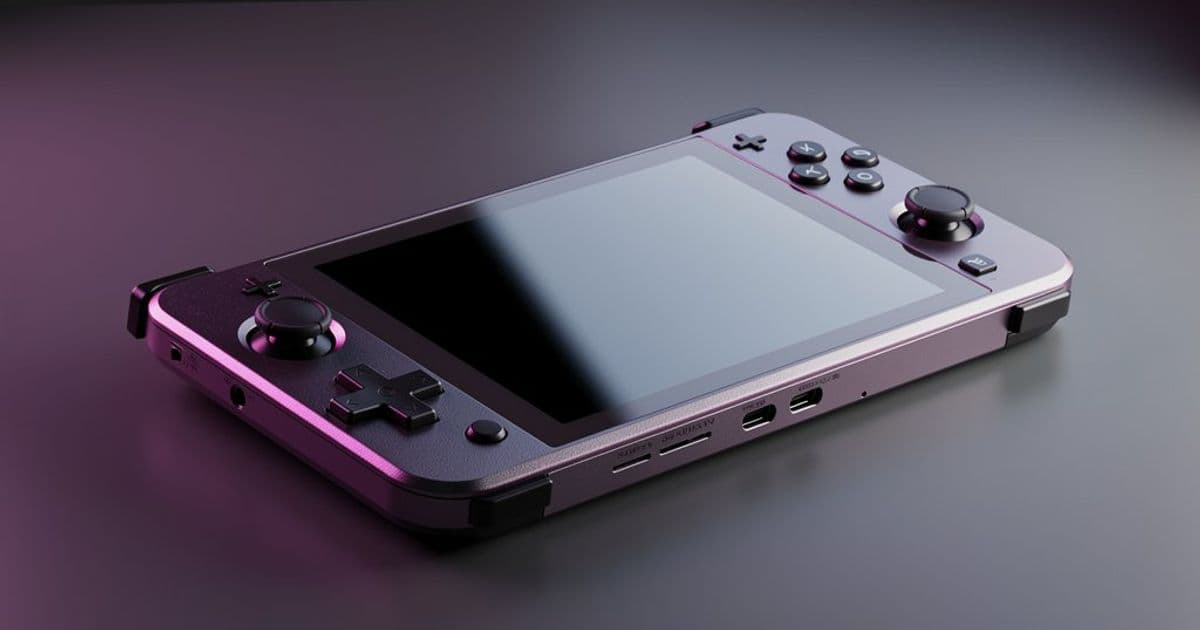
Early reviews of the Retroid Pocket 6 highlight its excellent price-to-performance ratio and capable emulation, but also reveal notable design flaws including a missing grip and cramped button placement that could impact long gaming sessions.
The Retroid Pocket 6 has arrived in the hands of reviewers, and the initial verdict paints a picture of a device that delivers on raw capability while making some questionable ergonomic decisions. While pre-order customers are still waiting for their units to ship, early hands-on reviews from two prominent voices in the retro handheld community—Tech Dweeb and Retro Game Corps—reveal a device that excels in several key areas but stumbles on the fundamentals of comfort.
What's New: The Pocket 6 Formula
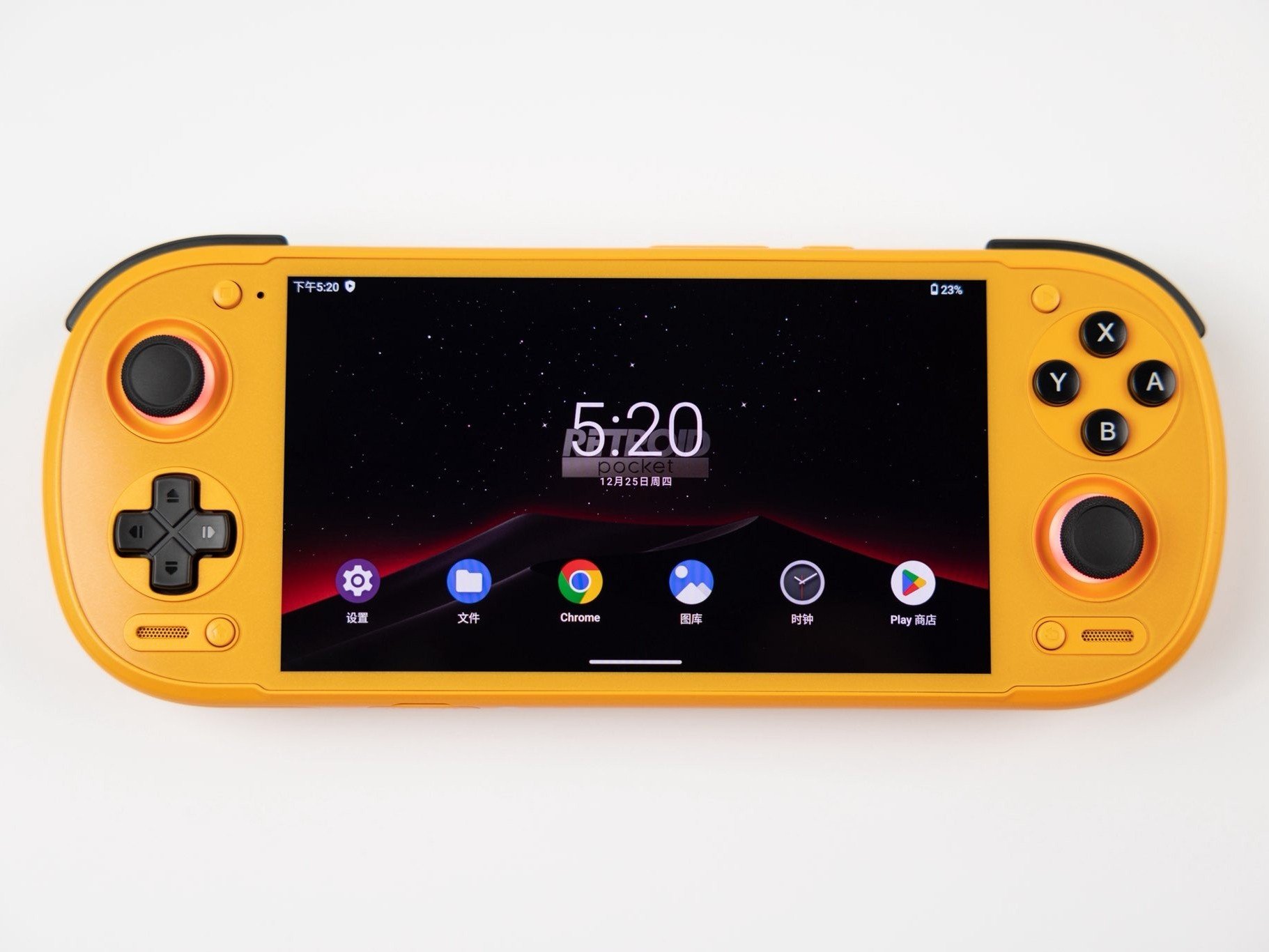
The Retroid Pocket 6 represents the company's latest attempt to dominate the sub-$300 Android handheld market. At its core, the device runs on a Snapdragon processor paired with either 8GB or 12GB of RAM, depending on the configuration. The standout feature is undoubtedly its 120Hz AMOLED display, a panel that delivers vibrant colors and smooth scrolling that punches well above the device's price point.
Battery life has been a consistent strength across Retroid's lineup, and the Pocket 6 continues this tradition. Reviewers report that the device can handle extended gaming sessions without requiring frequent charging, which is crucial for a portable system. The device's emulation capabilities are particularly impressive—it handles everything from 8-bit classics up to PlayStation 2 titles without significant issues. For users interested in more modern gaming, the Pocket 6 can even emulate Nintendo Switch titles, though both reviewers noted that compatibility isn't perfect and users should expect occasional bugs and crashes.
Perhaps most interestingly, the Pocket 6 doubles as a PC gaming device through software like Gamehub, allowing users to stream or play PC titles. However, this use case comes with a significant caveat: the base model's 8GB of RAM and 128GB of storage can quickly become bottlenecks. PC games require substantial storage space, and unlike Android titles, they cannot be offloaded to a microSD card. The higher-tier model with 12GB of RAM and 256GB of storage is essentially mandatory for anyone planning to use the device for PC gaming.
How It Compares: The Good, The Bad, and The Missing Grip
The reviews from Tech Dweeb and Retro Game Corps share remarkably consistent praise for the Pocket 6's core strengths. Both highlight the display quality as a major selling point, and both confirm that the device's performance in retro emulation is solid. The 120Hz refresh rate isn't just a spec sheet bullet point—it translates to genuinely smoother gameplay in titles that support higher frame rates.
However, the praise is tempered by two significant design complaints that both reviewers independently raised. First is the complete removal of the textured grip that was a signature feature of the Retroid Pocket 5. That previous model's grip provided extra comfort and better handling during longer play sessions. Its absence on the Pocket 6 makes the device feel more slippery and less secure in hand, which becomes more problematic the longer you play.
The second issue is button placement. Both reviewers noted that the ABXY face buttons are positioned too close to the left analog stick. This creates a cramped control layout where your thumb can easily rub against the stick during gameplay, especially in titles that require frequent movement and button presses simultaneously. It's a fundamental ergonomic flaw that no amount of software optimization can fix.
Who It's For: Budget-Conscious Gamers and First-Time Buyers
The Pocket 6 emerges as a compelling option for two specific groups: first-time handheld buyers and those upgrading from older models like the Retroid Pocket 4. The value proposition is strong—you're getting premium features like an AMOLED display and 120Hz refresh rate at a price that undercuts many competitors.
For users primarily focused on retro gaming up to PS2, the base model should prove adequate. The performance headroom provided by the Snapdragon chipset ensures that most Android-based emulation tasks run smoothly. The device's ability to handle Switch emulation, while imperfect, adds a layer of future-proofing that many users will appreciate.
However, the Pocket 6 faces stiff competition in this crowded market segment. The Retroid Pocket G2, announced alongside the Pocket 6 but available earlier, offers a slightly cheaper alternative. Ayaneo's Konkr Pocket Fit provides a larger display with an even higher refresh rate, though it uses LCD technology instead of AMOLED. The AYN Odin 3 sits at the premium end with a more powerful processor, but its higher price reflects that upgrade.
The choice between these devices ultimately comes down to priorities. If you want the best display technology and solid overall performance at a reasonable price, the Pocket 6 remains attractive despite its ergonomic shortcomings. If comfort during extended play sessions is paramount, the missing grip and cramped button layout might push you toward alternatives. For users who want to push into PC gaming territory, the higher-tier Pocket 6 configuration becomes a more serious consideration, though it also enters the price range of more capable competitors.
The reviews make it clear that Retroid has built a capable machine that delivers on performance and value, but they also suggest that the company may have sacrificed too much in the pursuit of cost savings. For a device designed to be held and played for hours, those ergonomic compromises loom larger than any spec sheet advantage.
Comments
Please log in or register to join the discussion