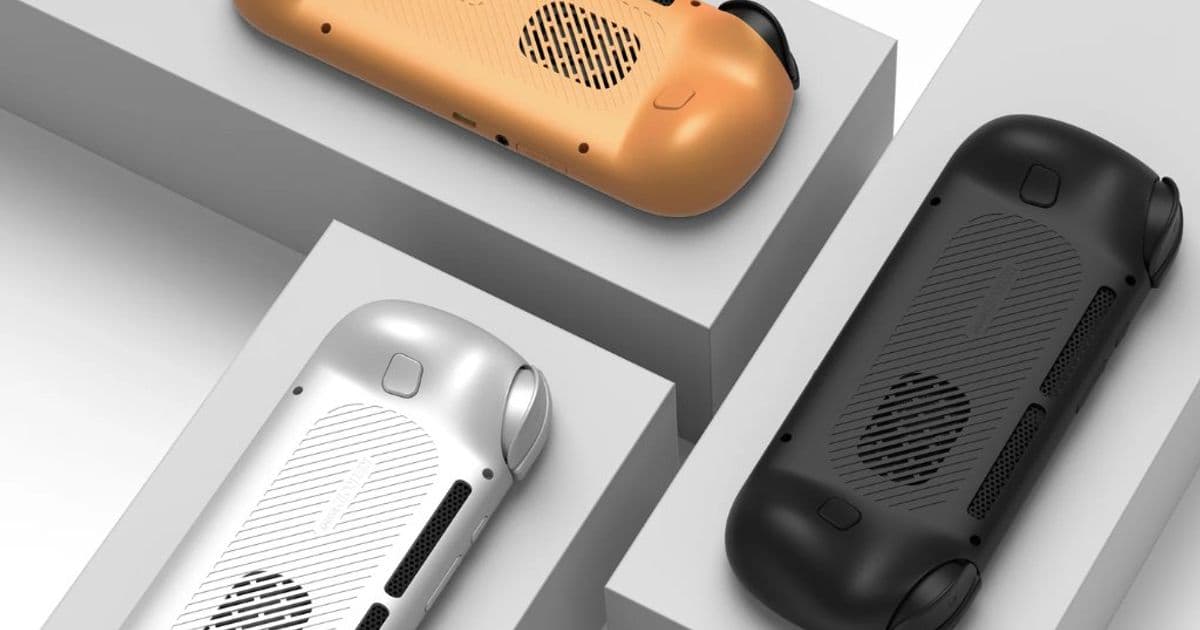
Retroid's highly anticipated Pocket 6 handheld is facing a production bottleneck due to complex OLED panel calibration, causing shipping delays for most variants. While initial batches of the black edition are shipping, the company has invested in a new calibration system to accelerate the process, with a broader rollout expected for higher-spec models in early March 2026.
The Retroid Pocket 6, a flagship Android-based retro gaming handheld, is experiencing a production delay, but not for the typical reasons of component shortages or logistics. The issue is specific to its display: calibrating the custom OLED panels has proven more complex than anticipated, slowing down the manufacturing line. Retroid has confirmed this on its official Discord server, stating that the factory handling production is reportedly inexperienced with OLED technology, leading to a bottleneck.
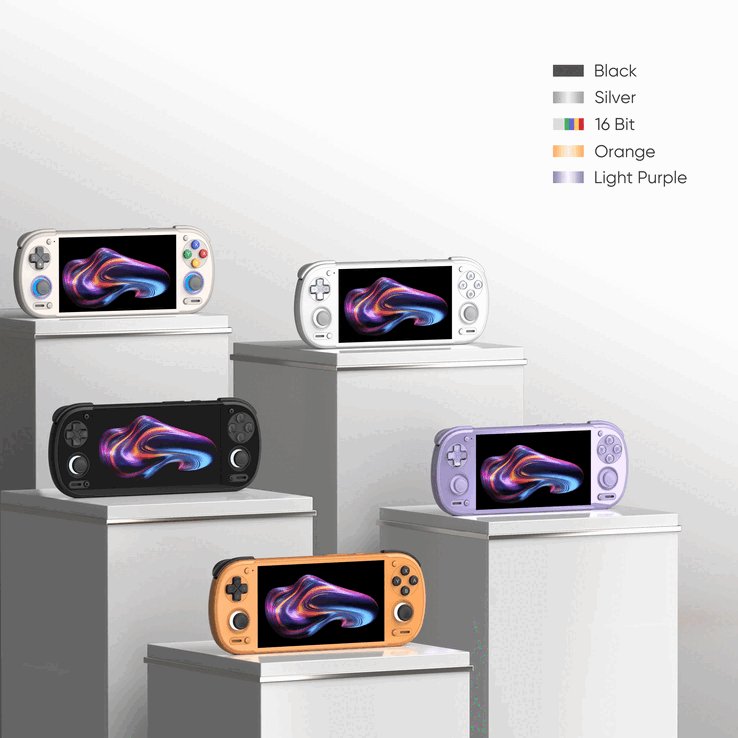
The calibration and demura process for each OLED panel reportedly takes about ten minutes, a significant time investment that has constrained overall output. To address this, Retroid has invested in a new calibration system capable of processing up to 12 OLED panels simultaneously. This upgrade is designed to boost productivity tenfold, allowing the company to clear the backlog and accelerate production. Despite the delay, shipments have already begun for a select group of early pre-orders. As of now, only around 100 units of the black edition with joysticks on top have been dispatched as part of this initial batch.
What's New: The OLED Challenge and Production Pivot
The Retroid Pocket 6 represents a significant step up for the company, featuring a larger 6.2-inch OLED display compared to its predecessors. OLED technology offers superior contrast, deeper blacks, and faster response times, which are ideal for retro gaming. However, achieving uniform color and brightness across a custom OLED panel is a non-trivial manufacturing challenge. Each panel can have slight variations that require individual calibration to ensure a consistent visual experience for the end-user.
This is where Retroid's production partner hit a wall. The factory's lack of experience with OLED calibration created an efficiency bottleneck. The ten-minute-per-panel process is not sustainable for mass production. Retroid's solution—investing in a multi-panel calibration system—is a direct and practical response. This hardware investment shows the company is committed to quality control rather than rushing flawed units to market. The new system should allow them to scale up output significantly once it's fully integrated.
How It Compares: Prioritizing Higher-Spec Models
Retroid's current strategy reveals a clear prioritization. The company is focusing its limited initial production capacity on the higher-spec models. The black edition with joysticks on top, which is shipping now, is likely one of the more popular configurations. The company aims to ensure a widespread rollout for the 12GB RAM variant with joysticks on top, indicating that these premium models are the primary focus.
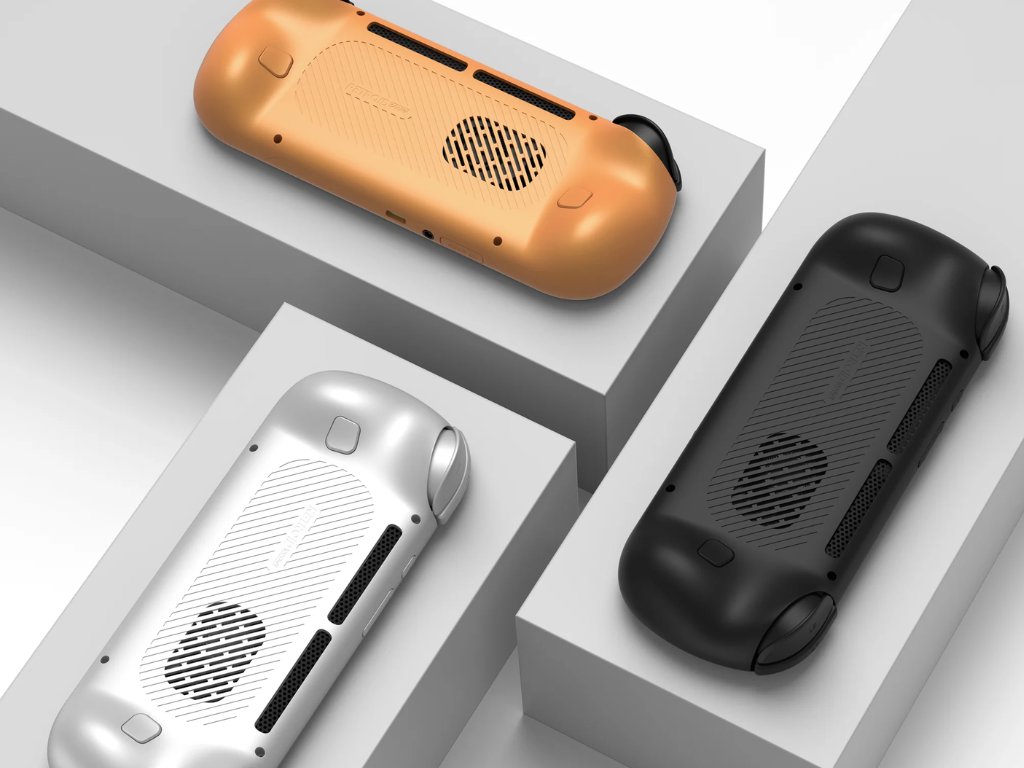
This approach is common in electronics manufacturing. By prioritizing higher-margin or flagship SKUs, a company can maximize revenue while working through production kinks. For consumers, this means that if you ordered a lower-spec model, like the 8GB variant with a directional pad on top, you will likely wait longer. Retroid has not provided a shipping date for these configurations, suggesting they will be part of a later production wave.
This also highlights the importance of user feedback in the Pocket 6's design. Retroid offered multiple controller layouts (joysticks on top vs. directional pads) based on community requests last year. While this flexibility is a selling point for gamers, it adds complexity to the manufacturing and inventory process, especially when combined with a new display technology.
Who It's For: Early Adopters and Patient Gamers
The current situation creates a split in the market for the Retroid Pocket 6.
For the early adopter: If you pre-ordered a black edition with joysticks and were among the first in line, your unit is likely already on its way or will ship soon. You are getting a premium handheld with a cutting-edge OLED screen, albeit with the understanding that you're part of the initial, smaller batch. The delay is a minor inconvenience for getting the device first.
For the patient gamer: If you were waiting for a specific color variant or the lower-spec 8GB model, you will need to wait. Retroid has indicated that production for other color options will ramp up after the initial black edition rollout. The company has also opened second-batch pre-orders, with shipping slated for early March 2026. This gives potential buyers a clearer, if delayed, timeline.
The broader context is the competitive handheld market. Devices like the Anbernic RG556 and the upcoming AYN Odin 2 Mini are vying for attention. Retroid's delay, while frustrating, is a quality-focused one. A poorly calibrated OLED screen would be a far worse outcome for the brand's reputation than a shipping delay. For buyers in the market now, the choice is between waiting for the Pocket 6 or considering alternatives. However, for those specifically seeking a high-quality OLED display in a portable retro console, the Pocket 6 remains a compelling option once production stabilizes.
Recommendation: If you are still interested, check Retroid's official Discord server for real-time updates. The first batch is sold out, but second-batch pre-orders are open. Given the production ramp-up plans, ordering now for a March 2026 delivery is the most realistic path to ownership.
Relevant Links:
- Retroid Pocket Official Discord Server for the latest updates.
- Retroid Pocket 6 Official Product Page for specifications and pre-orders.
Comments
Please log in or register to join the discussion