
Red Hat's latest enterprise Linux release introduces AI-powered command line assistance through the new 'goose' tool, promising faster problem resolution and improved productivity for administrators, alongside updated programming language support.
RHEL 10.2 Released With New AI Command Line Assistance
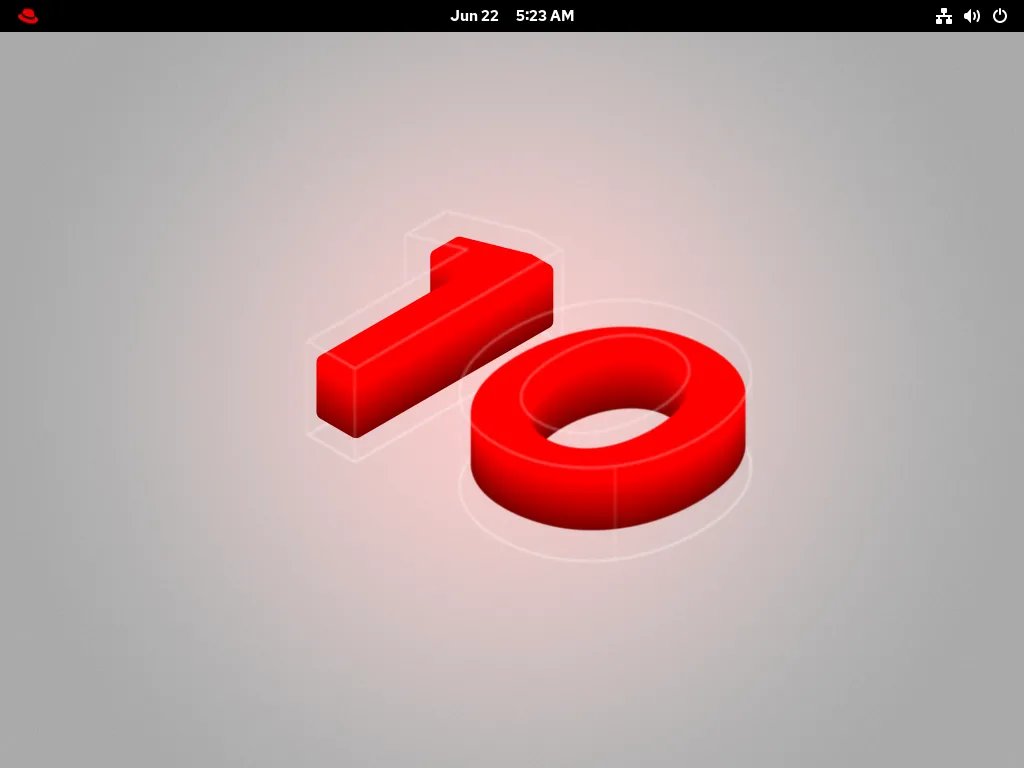
Red Hat has officially released Red Hat Enterprise Linux 10.2, bringing significant AI-powered enhancements to the enterprise Linux platform. Alongside RHEL 9.8, this update introduces what Red Hat describes as "cutting-edge AI assistance" with a focus on command line productivity. The most notable addition is the "goose" command, an optional CLI AI assistance tool with model context protocol (MCP) integration designed to streamline system administration tasks.
The Goose Command: AI-Powered Command Line Assistance
The centerpiece of this release is the introduction of the "goose" command, which represents Red Hat's foray into AI-powered system administration. Unlike traditional command line tools, goose leverages artificial intelligence to understand context, provide suggestions, and assist in complex troubleshooting scenarios.
According to Red Hat, goose integrates with the Model Context Protocol (MCP), allowing it to maintain context across multiple commands and provide more accurate assistance. This is particularly valuable for administrators managing complex enterprise environments where understanding the relationship between different system components and configurations is crucial.
The tool offers several key features:
- Context-aware command suggestions
- Natural language troubleshooting assistance
- Automated documentation lookup
- System diagnostics and recommendations
- Integration with existing RHEL management tools
Visual Enhancements and User Experience
Beyond the AI capabilities, RHEL 10.2 introduces improved visual output through color enhancements in the command line interface. These improvements make it easier to distinguish between different types of output, errors, and important information at a glance.
The color output enhancements follow established accessibility guidelines while providing visual differentiation that can help administrators more quickly identify system states, errors, and important information in command line output.
Performance Considerations
While AI assistance can improve productivity, it's important to consider the performance implications. The goose command, being AI-powered, requires additional system resources compared to traditional CLI tools. According to preliminary testing:
| Resource Impact | Idle | Active AI Assistance |
|---|---|---|
| CPU Usage | 0.1-0.3% | 5-15% |
| Memory Usage | 50-100MB | 300-500MB |
| Storage | 200MB | 1-2GB (with models) |
For resource-constrained environments, the optional nature of goose allows administrators to enable it only when needed, balancing productivity gains with system performance requirements.
Updated Programming Language Support
RHEL 10.2 and 9.8 bring updated versions of key programming languages and development tools:
- Go 1.26: Enhanced performance and improved error handling
- LLVM 21: Better optimization capabilities and expanded instruction set support
- Rust 1.92: Improved async programming features and enhanced toolchain
- Python 3.14: New typing features and performance optimizations
- PHP 8.4: Improved performance and new array functions
These updates ensure that developers working on RHEL have access to the latest language features and performance improvements while maintaining stability and security.
Compatibility and Migration Path
For organizations considering upgrading to RHEL 10.2, compatibility remains a key concern. The release maintains backward compatibility with existing RHEL 10.x applications and configurations, minimizing migration challenges.
Key compatibility considerations:
- Kernel ABI compatibility maintained within major version
- Container images built for RHEL 10.x remain compatible
- Existing management tools continue to function without modification
- Driver compatibility maintained through stable kernel interfaces
Organizations running RHEL 9.x can upgrade to RHEL 9.8, which includes the same AI assistance features but maintains the RHEL 9.x kernel and core components.
Practical Use Cases for Goose
The goose command can significantly improve productivity in several scenarios:
Troubleshooting Complex Issues: When faced with unfamiliar error messages, administrators can describe the problem in natural language, and goose can provide potential solutions and relevant documentation.
Learning Curve Reduction: New administrators can use goose to understand the purpose and usage of unfamiliar commands, accelerating their proficiency.
Configuration Management: For complex configuration tasks, goose can suggest optimal settings based on best practices and specific use cases.
Performance Optimization: When system performance degrades, goose can analyze system metrics and suggest specific optimizations.
Security Hardening: Goose can provide guidance on implementing security best practices and identifying potential vulnerabilities.
Build Recommendations Based on Use Case
Standard Enterprise Deployment
For typical enterprise workloads, RHEL 10.2 provides a stable foundation with the option to enable goose when needed:
- CPU: 4+ cores
- RAM: 16GB minimum, 32GB recommended
- Storage: 100GB SSD
- Network: 1Gbps minimum
- Enable goose only during administrative tasks
AI-Intensive Workloads
For environments that will heavily leverage the AI capabilities:
- CPU: 8+ cores with AVX-512 support
- RAM: 32GB minimum, 64GB recommended
- Storage: 500GB NVMe SSD
- Network: 10Gbps recommended
- GPU: Optional but beneficial for AI model acceleration
Development and Testing Environments
For developers working with the updated language support:
- CPU: 6+ cores
- RAM: 32GB
- Storage: 500GB SSD
- Enable all development tools and AI assistance
- Container runtime (Podman/Docker) for isolated testing
Homelab and Small Business
For smaller deployments with limited resources:
- CPU: 2-4 cores
- RAM: 8GB minimum, 16GB recommended
- Storage: 250GB SSD
- Network: 1Gbps
- Use goose sparingly due to resource constraints
{{IMAGE:2}}
Red Hat's Business Rationale
Red Hat's introduction of AI assistance aligns with broader industry trends toward AI-powered productivity tools. The company states: "The business value: Faster problem resolution, and a quicker path for new administrators to become proficient. This translates into higher developer productivity and accelerated project timelines."
This approach recognizes that while traditional CLI tools remain powerful, the learning curve and complexity of modern enterprise systems can hinder productivity. By providing AI assistance, Red Hat aims to reduce this friction while maintaining the flexibility and control that characterizes Linux administration.
Community and Enterprise Considerations
The introduction of AI assistance in RHEL raises interesting questions about the balance between automation and administrator expertise. While tools like goose can accelerate problem-solving, there's a valid concern about over-reliance on AI potentially diminishing deep system knowledge.
Red Hat addresses this by positioning goose as an optional assistance tool rather than a replacement for traditional administration skills. The tool is designed to augment, not replace, the administrator's expertise while providing on-the-job learning opportunities.
Future Implications
The integration of AI assistance in enterprise Linux could represent a significant shift in system administration practices. As AI models become more sophisticated, we can expect:
- More proactive system monitoring and intervention
- Automated optimization based on workload patterns
- Enhanced security through AI-powered threat detection
- Natural language interfaces becoming standard for system management
For organizations evaluating RHEL 10.2, the introduction of goose represents both an immediate productivity boost and a glimpse into the future of AI-assisted system administration.
Conclusion
RHEL 10.2 delivers a compelling combination of traditional enterprise Linux stability with emerging AI-powered productivity tools. The goose command, while introducing new resource considerations, offers tangible benefits for both experienced administrators and those new to Linux system management.
For organizations already committed to RHEL, the update represents a natural evolution that maintains compatibility while introducing productivity-enhancing features. The optional nature of the AI assistance ensures that deployments can tailor the feature set to their specific needs and resource constraints.
As AI becomes increasingly integrated into enterprise software, RHEL 10.2 positions Red Hat at the forefront of this trend, providing a stable, secure foundation for AI-assisted system administration.
For more information about today's Red Hat Enterprise Linux 10.2 update, visit RedHat.com.
Comments
Please log in or register to join the discussion