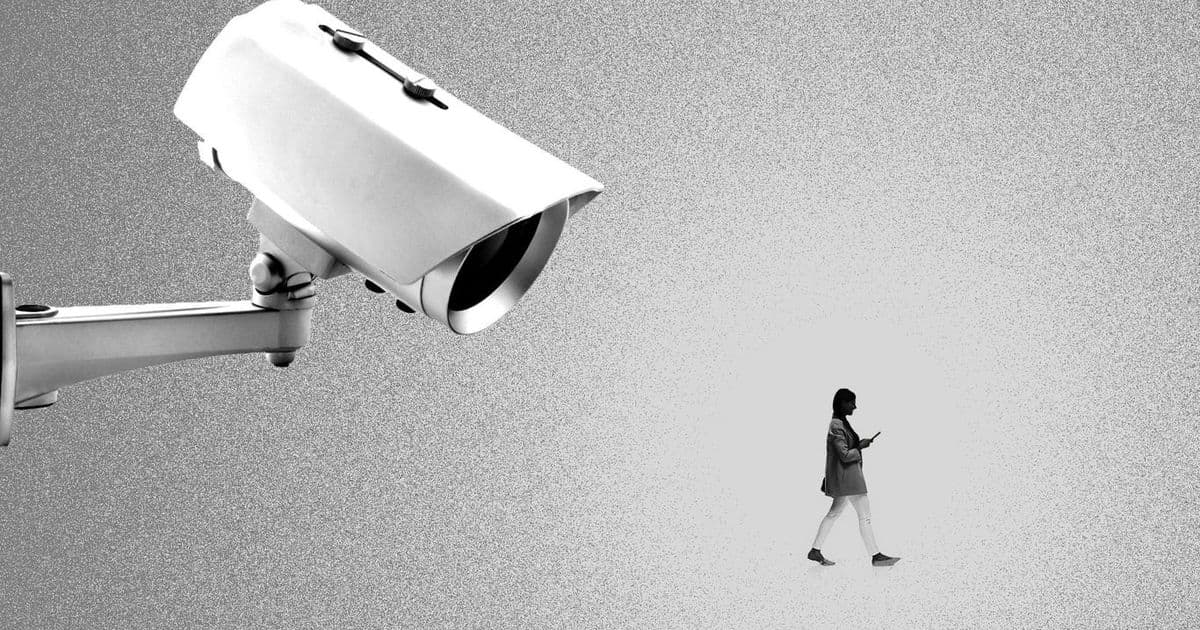
Consumer concerns mount over data privacy and law enforcement partnerships with home surveillance companies
The proliferation of Ring cameras and similar home surveillance technology is facing mounting public scrutiny as privacy advocates and consumers question how personal data is collected, stored, and shared with law enforcement agencies.
Ring, owned by Amazon, has become the dominant player in the smart doorbell and home security camera market, with millions of devices installed across American homes. The company's partnerships with local police departments have drawn particular criticism, as law enforcement agencies can request footage from Ring users during investigations without a warrant.
According to recent data, Ring has partnered with over 2,000 law enforcement agencies across the United States, creating a network that critics argue functions as a massive surveillance system. Users can voluntarily share footage through the Neighbors app, which Ring markets as a community safety tool but privacy advocates describe as a digital neighborhood watch on steroids.
The backlash intensified after reports revealed that Ring employees had access to customer video feeds, raising concerns about potential misuse of personal footage. While Ring maintains that access was limited to specific employees for legitimate business purposes, the revelation sparked renewed debate about corporate surveillance practices.
Privacy organizations have documented numerous instances where Ring footage has been used in ways that extend beyond traditional law enforcement needs. In some cases, footage has been used to monitor protests, track activists, or investigate minor infractions that wouldn't typically warrant police involvement.
Consumer Reports recently found that Ring's default privacy settings are configured to maximize data collection and sharing, requiring users to actively opt out of features like facial recognition and third-party data sharing. The organization gave Ring's privacy practices a failing grade, citing the company's aggressive data collection policies and lack of transparency about how footage is used.
The controversy extends beyond Ring to the broader personal surveillance industry. Competitors like Google's Nest, Arlo, and Wyze face similar scrutiny over their data practices, though Ring's market dominance and police partnerships have made it the primary target of criticism.
Civil liberties groups argue that the normalization of constant surveillance through consumer devices creates a chilling effect on public behavior and erodes privacy expectations. They point to studies showing that people modify their behavior when they know they're being watched, potentially suppressing lawful but unpopular activities.
Ring has responded to criticism by implementing additional privacy controls and limiting employee access to footage, but privacy advocates argue these measures are insufficient. They're calling for stronger regulations governing how surveillance footage can be collected, stored, and shared, particularly when it involves partnerships between private companies and government agencies.
The debate highlights the tension between public safety and privacy in an era of ubiquitous surveillance technology. While Ring and similar devices have helped solve crimes and deter package theft, critics argue that the privacy costs and potential for abuse outweigh the benefits.
As the backlash grows, some communities are pushing back against the surveillance creep. Several cities have passed ordinances requiring police departments to disclose their surveillance partnerships, and some neighborhood groups have organized to reject Ring's police partnerships entirely.
The controversy also raises questions about the future of smart home technology and whether consumers will accept the trade-offs between convenience and privacy. With Ring controlling a significant portion of the home security market, its practices are likely to set precedents for the entire industry.
For now, the debate continues as privacy advocates, law enforcement, and tech companies grapple with the implications of turning millions of private homes into nodes in a vast surveillance network. The outcome could shape not just how we secure our homes, but how we balance safety and privacy in an increasingly connected world.
Comments
Please log in or register to join the discussion