Global abandonment of commercial ships surged 33% in 2025, leaving thousands of seafarers stranded without pay or supplies as shadow fleets circumvent sanctions.
A disturbing maritime crisis is unfolding beyond territorial waters worldwide. Ivan, a Russian deck officer, describes the grim reality from an abandoned oil tanker floating near China: "We had a shortage of meat, grain, fish - simple things for survival. The crew was hungry, angry, trying to survive day-by-day." His vessel, carrying $50 million worth of Russian crude, became part of a troubling statistic - 410 ships abandoned globally in 2025, a 33% annual increase that stranded 6,223 seafarers.
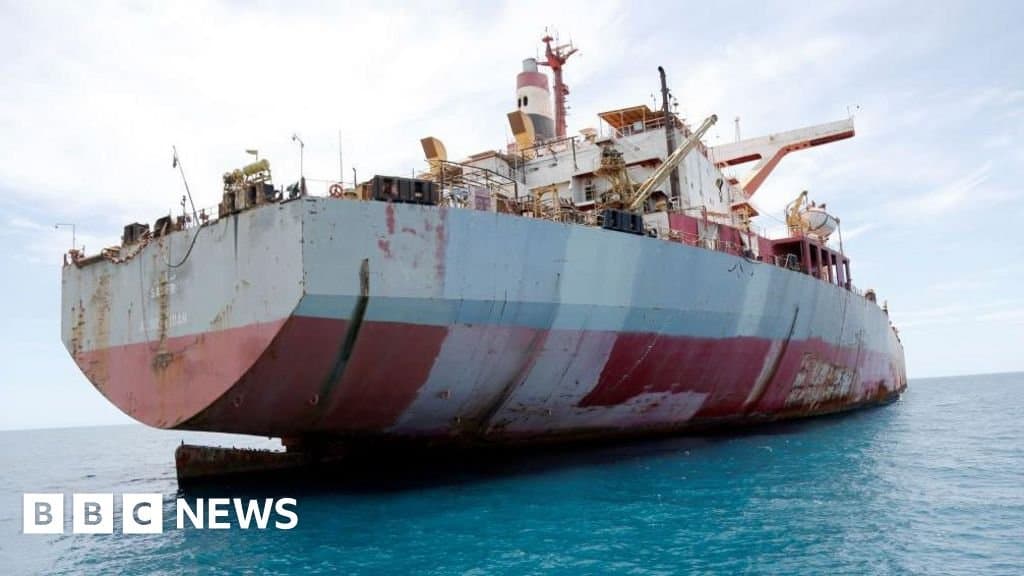
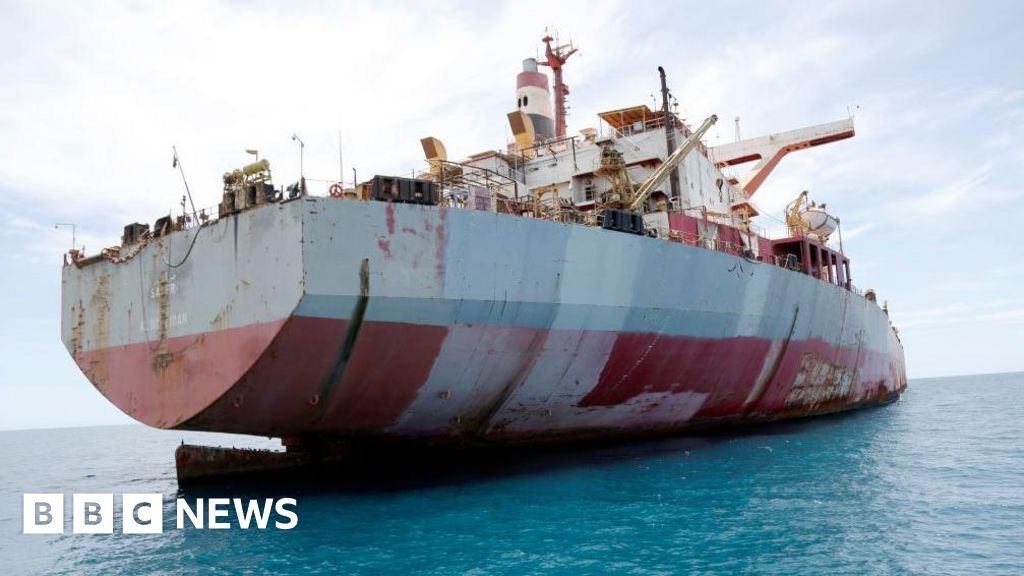
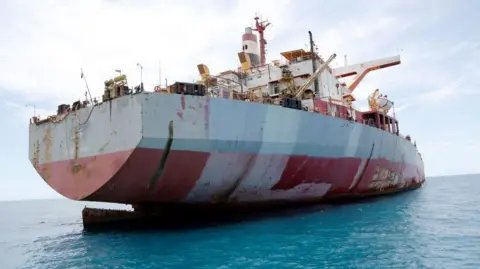 The oil tanker Safer abandoned off Yemen's coast (Credit: AFP/Getty Images)
The surge correlates with geopolitical tensions that reshaped global shipping. Sanctions against Russia following its Ukraine invasion created fertile ground for "shadow fleets" - aging tankers operating under obscure ownership, often uninsured and unseaworthy. These vessels typically sail under flags of convenience (FOCs) registered in jurisdictions like Panama, Liberia, and increasingly The Gambia, which hosted zero tankers in 2023 but 35 by March 2025. Such registries provide minimal oversight while collecting substantial fees.
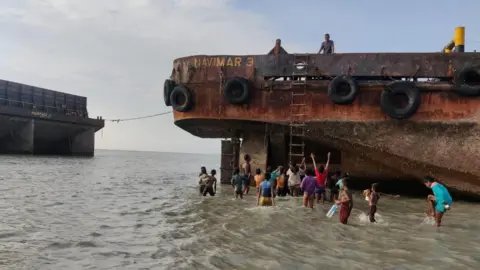 Abandoned vessels occur both in port and at sea (Credit: ITF)
Financial abandonment follows strict criteria per International Maritime Organization guidelines: unpaid wages exceeding two months, severed owner contact, or failure to provide repatriation. Last year's abandoned crews were owed $25.8 million collectively, with Indian nationals (1,125 sailors) disproportionately affected. The International Transport Workers' Federation recovered $16.5 million in back wages, including $175,000 for Ivan's crew after intervention.
Shadow fleets complicate solutions. Their murky ownership structures obscure accountability when vessels fail. Ivan's tanker flew a false Gambian flag - unregistered and unrecognized by authorities. ITF General Secretary Stephen Cotton states abandonment "isn't an accident," noting seafarers "sign contracts not knowing the risks." The organization reports FOC-registered vessels accounted for 82% of abandonments.
 Crews face critical shortages of essentials like fresh water (Credit: ITF)
India responded by blacklisting 86 foreign vessels in 2025 after investigations revealed untraceable owners and unresponsive flag states. Maritime unions demand stronger enforcement of the "genuine link" requirement between owners and flag registries, a provision in international law lacking universal definition.
For sailors like Ivan, resolution often depends on complex ship-to-ship oil transfers at sea rather than port access. His experience has changed how he evaluates contracts: "I'll check vessel conditions, payment terms, and search which ships are banned." As geopolitical tensions continue fueling shadow fleets, international cooperation remains crucial to protect the seafarers caught in this escalating crisis.
Comments
Please log in or register to join the discussion