
Reports suggest Apple is developing solid-state buttons for its upcoming 20th anniversary iPhone, marking a significant departure from traditional physical buttons and potentially redefining user interaction with the device.
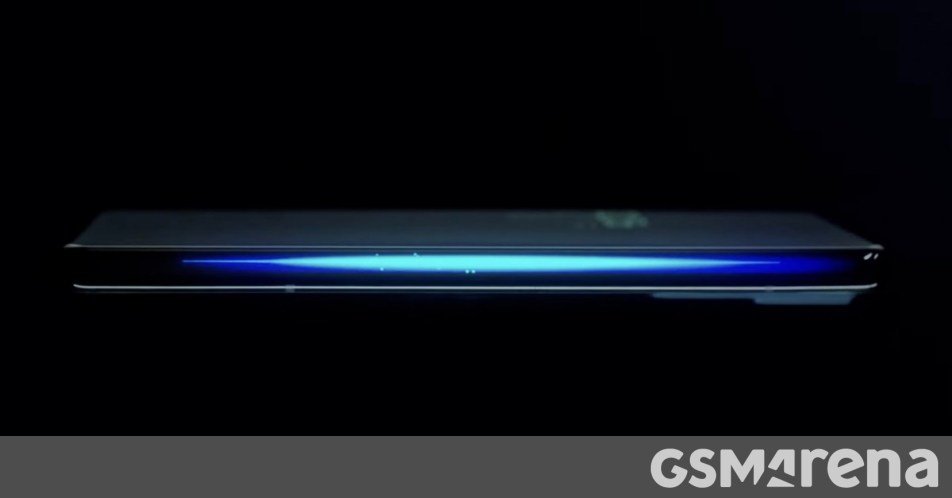
Apple appears to be preparing a revolutionary design for its upcoming 20th anniversary iPhone, with recent leaks indicating the device will feature solid-state buttons that could fundamentally change how users interact with the smartphone. According to Chinese tipster Instant Digital, Cupertino has already conducted successful testing of these buttonless alternatives, which passed rigorous testing scenarios including use with gloves, wet hands, and in extreme temperature conditions.
Understanding Solid-State Technology
Solid-state buttons represent a significant departure from traditional mechanical switches. Instead of physical moving parts that depress when pressed, these buttons use haptic feedback and pressure-sensitive sensors to simulate button presses. The technology essentially creates a seamless surface that responds to touch with tactile feedback, creating the illusion of pressing a physical button without any actual movement.
What makes this implementation particularly intriguing is the reported dedicated low-power chip that registers presses and provides haptic feedback even when the phone is completely switched off. This suggests Apple has solved one of the key challenges of solid-state technology—maintaining functionality during power-off states—which would be essential for features like powering on the device or accessing emergency functions.
The Significance of a 20th Anniversary Edition
Apple's 20th anniversary iPhone represents more than just another model iteration; it's a milestone that calls for innovation that reflects the company's history of pushing boundaries. Previous anniversary models, like the iPhone 10 in 2017, introduced Face ID and an edge-to-edge display, setting new industry standards. This upcoming model appears positioned to make an equally significant statement.
The rumored quad-curved display that blends with the sides of the device would create a truly seamless form factor, with the solid-state buttons completing this vision by eliminating physical interruptions to the glass surface. This all-glass aesthetic would represent the culmination of Apple's design evolution since the original iPhone introduced in 2007.
Comprehensive Feature Set
Beyond the solid-state buttons, the anniversary iPhone is rumored to include several other cutting-edge technologies:
Under-Display Technology
The device is expected to feature under-display Face ID and selfie camera capabilities using a dual-layer OLED display, also known as tandem OLED technology. This approach, which debuted in Apple's 2024 iPad Pro series, allows front-facing components to be hidden beneath the display while maintaining functionality.
Enhanced Durability
The display and sides reportedly feature next-generation Ceramic Shield protection, offering improved scratch resistance compared to current implementations. This enhancement would be particularly important given the all-glass design, which might otherwise be more susceptible to damage.
Audio Innovation
Perhaps most interesting is the reported elimination of the physical earpiece, replaced with "under-display sound" technology. This would likely function similarly to implementations found in devices like the Google Pixel 5 and LG G8, using the display itself to conduct sound vibrations directly to the user's ear.
Power and Charging
The anniversary model is expected to include a substantial 6,000mAh battery—significantly larger than current iPhone capacities—along with reverse wireless charging capabilities. This combination would address two of the most common user complaints while maintaining Apple's focus on wireless convenience.
Technical Considerations and Challenges
Implementing solid-state buttons presents several technical challenges that Apple must have overcome to pass the reported testing scenarios. The technology requires precise pressure sensing to distinguish between intentional presses and accidental touches, especially important given the device's curved edges.
The haptic feedback system must be finely tuned to provide convincing tactile responses that users instinctively recognize as button presses. Too subtle, and users might doubt their input was registered; too pronounced, and the experience feels artificial.
Power management represents another critical consideration. The dedicated low-power chip mentioned in the reports suggests Apple has developed an efficient solution, but maintaining functionality during power-off states while preserving battery life remains a complex engineering challenge.
Ecosystem Implications
The introduction of solid-state buttons would have broader implications for Apple's ecosystem and third-party accessory manufacturers. Traditional cases designed with button cutouts would become obsolete, requiring a complete redesign approach. Similarly, car mounts and other accessories that rely on physical button accessibility would need adaptation.
From a software perspective, iOS would need updates to accommodate the new input method, particularly for accessibility features that rely on button combinations. The transition might also influence how developers design interactions in their applications, potentially opening new possibilities for gesture-based controls.
Historical Context and Previous Attempts
This isn't the first time solid-state buttons have been rumored for Apple devices. Previous reports suggested the iPhone 15 Pro series would feature this technology, though those rumors ultimately proved unfactual. The apparent persistence of the concept suggests Apple remains committed to eliminating physical buttons as part of its long-term design vision.
The technology has seen implementation in other devices, most notably the Apple Watch Ultra and some MacBook trackpads, which use haptic feedback to simulate button clicks. The iPhone application would represent a more significant leap given the device's primary interaction method.
Looking Ahead
If these rumors prove accurate, the 20th anniversary iPhone could mark the beginning of the end for physical buttons in smartphones, a trend that other manufacturers would likely follow. The all-glass, buttonless design would represent the ultimate realization of Apple's design philosophy, creating a device that's both visually striking and functionally innovative.
As with any pre-release information, these reports should be treated with caution until Apple officially confirms the features. However, the consistency of the solid-state button rumors across multiple sources suggests Apple is indeed exploring this technology for a future device, with the 20th anniversary iPhone representing the most likely candidate for such a significant design change.
The potential introduction of solid-state buttons underscores Apple's ongoing commitment to reimagining user interaction, a principle that has driven the company's most successful products. Whether this particular rumor materializes remains to be seen, but the direction it points toward—a more seamless, integrated user experience—aligns perfectly with Apple's design philosophy and technological ambitions.
Comments
Please log in or register to join the discussion