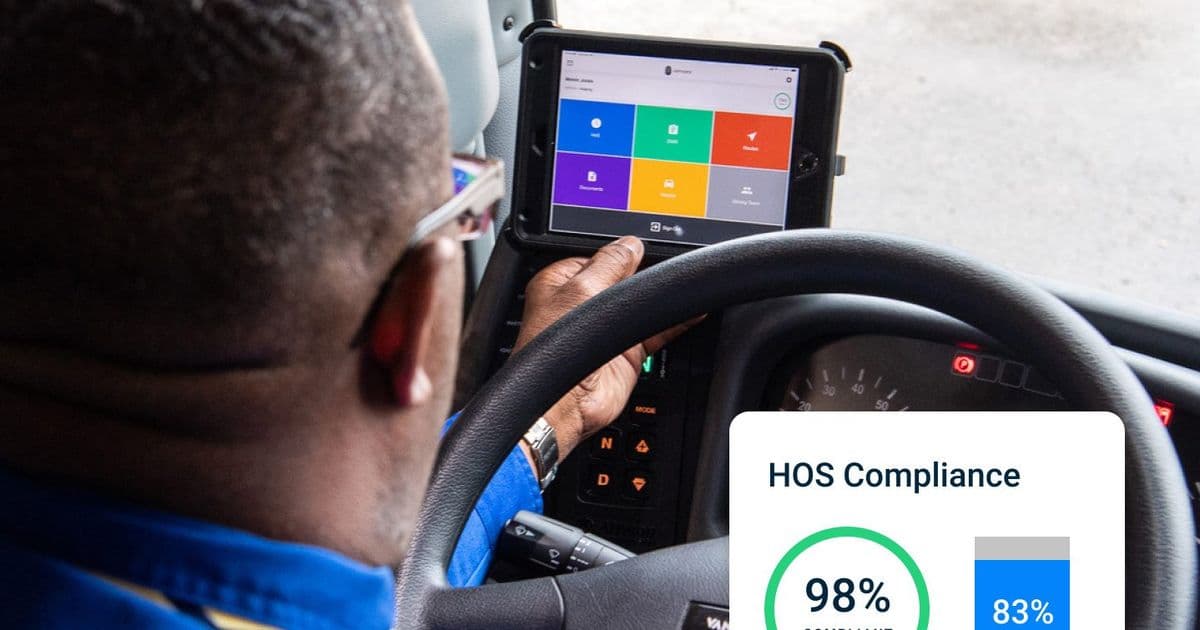
MIT alumni-founded Samsara provides a centralized IoT platform enabling construction, logistics, and manufacturing companies to optimize safety, efficiency, and sustainability across global operations.
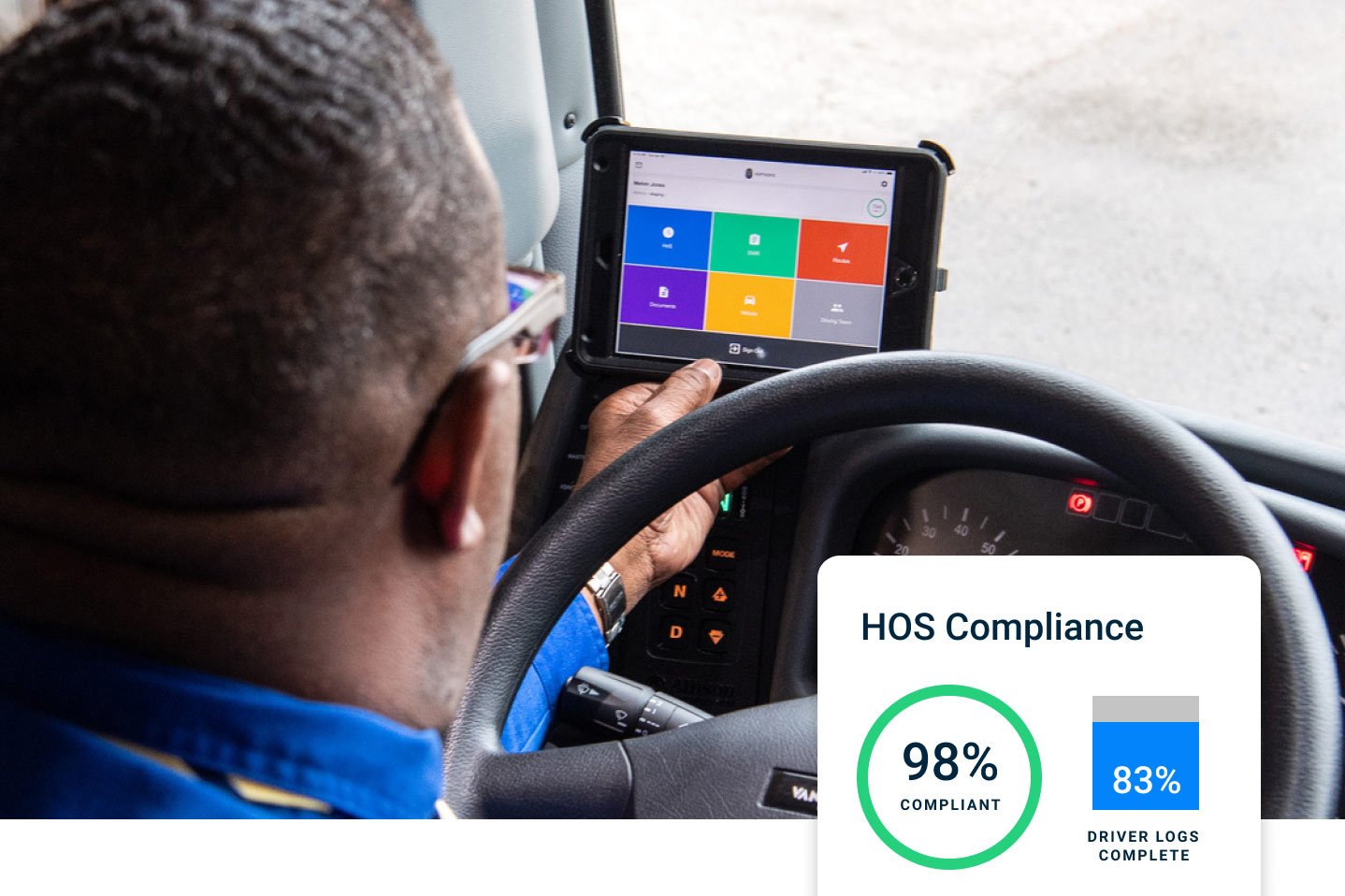
Coordinating millions of workers, vehicles, and equipment across global supply chains represents one of modern industry's most complex challenges. For companies managing physical operations—from construction sites to freight networks—the disconnect between field activities and decision-making creates costly inefficiencies and safety risks. Samsara, founded by MIT alumni John Bicket SM ’05 and Sanjit Biswas SM ’05, addresses this through its Connected Operations Platform, which transforms scattered operational data into actionable intelligence.
Engineering Intelligence from Chaos
The genesis of Samsara traces back to Bicket and Biswas' graduate work at MIT's Computer Science and Artificial Intelligence Laboratory (CSAIL), where they developed RoofNet—an ambitious campus-wide wireless network project. This experience in large-scale connectivity systems directly informed their first venture, Meraki, which pioneered cloud-managed Wi-Fi infrastructure before its 2012 acquisition by Cisco.
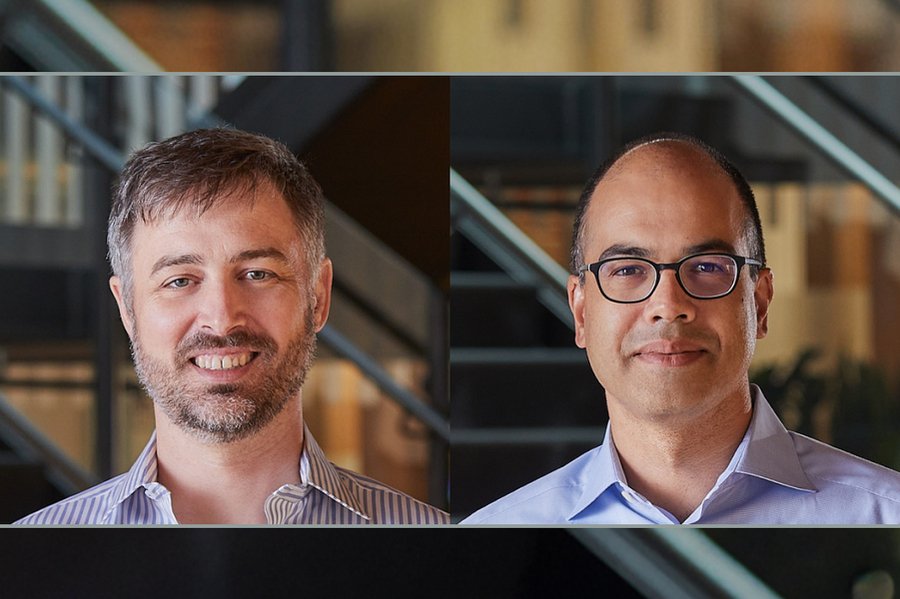 Samsara founders John Bicket and Sanjit Biswas. (Credit: Courtesy of Samsara)
When revisiting industrial operations in 2015, they observed a critical gap: sectors like logistics and energy still relied on paper-based tracking despite managing billion-dollar assets. "These industries share fundamental DNA," explains Biswas. "Thousands of field workers, massive vehicle fleets, and dispersed equipment—all generating data that wasn't being harnessed." Samsara's solution emerged as a unified architecture combining IoT sensors, edge computing, and cloud analytics.
Technical Architecture: From Edge to Insight
Samsara's platform operates through three interconnected layers:
- Sensor Integration: The system interfaces with existing vehicle ECUs, equipment monitors, and facility sensors while deploying proprietary devices like AI-enabled dashcams and GPS trackers. These edge nodes capture real-time metrics—engine diagnostics, driver behavior, fuel consumption, and environmental conditions.
- Cloud Processing: Data streams into Samsara's cloud infrastructure, which handles over 20 trillion data points annually. Here, proprietary algorithms perform anomaly detection, pattern recognition, and predictive analytics.
- Intelligence Layer: Machine learning models generate actionable outputs, such as identifying unsafe driving patterns or predicting machinery failures. The platform's natural language interface allows operational managers to query data conversationally (e.g., "Show trucks needing urgent maintenance").
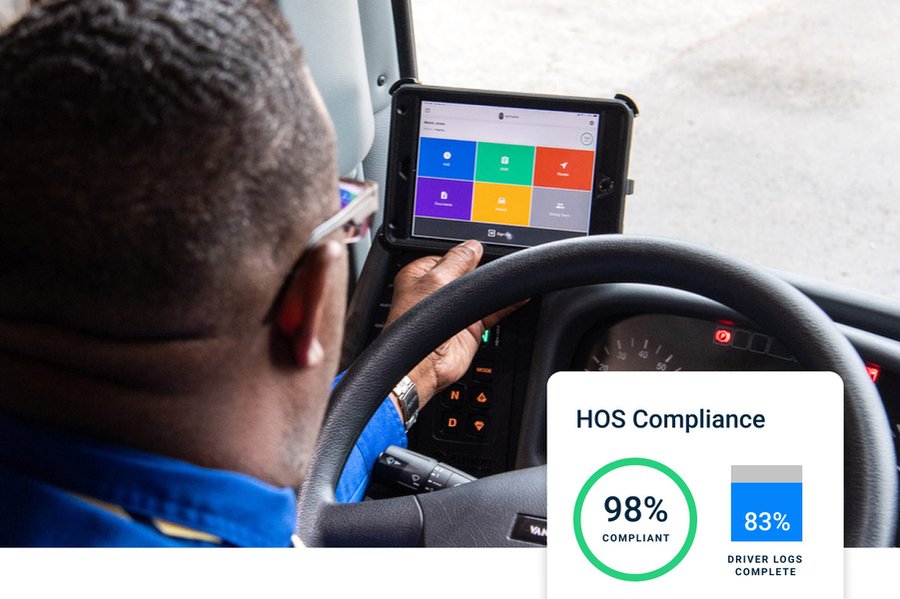 A driver interacts with Samsara's real-time compliance interface. (Credit: Courtesy of Samsara)
Quantifiable Impact Across Industries
Samsara's approach transforms abstract data into concrete operational gains:
- Safety Enhancement: AI dashcams detect distracted driving (e.g., phone usage) and trigger immediate audio alerts. Home Depot reduced auto liability claims by 65% within a year using this system.
- Cost Optimization: Predictive maintenance algorithms saved Maxim Crane Works $13 million in 2024 by identifying mechanical issues before failures occurred.
- Sustainability Gains: Routing optimizations helped Mohawk Industries cut 7.5 million pounds of CO2 emissions annually while saving $7.75 million in fuel costs.
"Frontline workers are unsung heroes keeping infrastructure running," notes Biswas. "Our platform not only prevents accidents but enables companies to recognize and reward safe behaviors—improving both morale and retention."
Scaling Intelligence Through AI
With 4,000 employees and monitoring 90 million driving miles yearly, Samsara continues evolving its platform. Recent developments include:
- Weather Risk Modeling: Integrating meteorological data to predict and mitigate weather-related operational hazards, which account for 20-25% of field risks.
- EV Transition Tools: Analyzing energy consumption patterns to optimize electric fleet deployment and charging schedules.
- Generative AI Integration: Expanding natural language capabilities to automate report generation and operational recommendations.
The MIT connection remains strong through collaborations with Boston's Department of Public Works and MBTA, along with the Biswas Family Foundation's funding of healthcare-focused postdoctoral fellowships at MIT. As physical operations increasingly digitize, Samsara's fusion of IoT connectivity and machine intelligence demonstrates how data-centric approaches can reshape foundational industries—turning scattered sensors into a cohesive nervous system for global infrastructure.
Comments
Please log in or register to join the discussion