
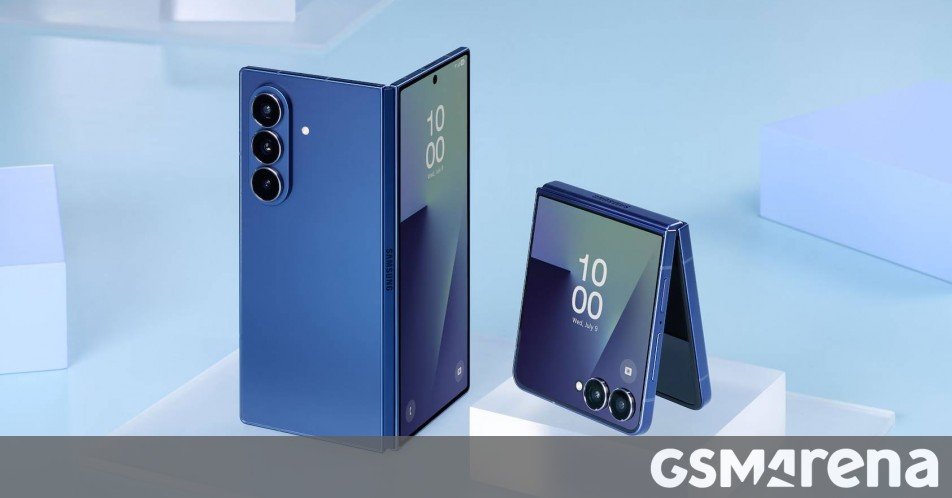
Samsung is shifting its foldable strategy, planning to produce more Z Fold8 units than Z Flip8 models for the first time ever, signaling confidence in larger foldable adoption.
Samsung is making a bold strategic shift in its foldable phone lineup, with production plans suggesting the Galaxy Z Fold8 will finally outsell its Z Flip8 sibling for the first time in the series' history.
According to insider reports from Ice Universe, Samsung plans to manufacture 3.5 million units of the Galaxy Z Fold8 compared to 2.5-3 million Galaxy Z Flip8 units. This represents a significant change in Samsung's foldable strategy, as the Z Flip series has consistently outsold the Z Fold models since their introduction.
The economics of foldable preferences
The current sales pattern in Samsung's foldable lineup mirrors an interesting consumer behavior trend. While in the Galaxy S series, the premium Ultra model typically outsells the standard and Plus variants combined despite its higher price point, the opposite has been true for foldables. The more affordable Z Flip has dominated sales over the pricier Z Fold.
This pricing dynamic has been particularly notable given the substantial price difference between the two form factors. The Z Flip's traditional candy bar design with a folding screen has appealed to consumers looking for a more conventional smartphone experience with the added benefit of pocketability when closed.
What's driving the Fold8's projected success?
The production numbers suggest Samsung expects several factors to shift consumer preferences toward the larger foldable format:
Form factor evolution: The Galaxy Z Fold series has matured significantly since its debut, with each iteration addressing early concerns about durability, hinge quality, and screen protection. The Fold8 is expected to continue this refinement trajectory.
Productivity appeal: As remote work and mobile productivity needs have evolved, the tablet-like experience offered by the Z Fold when opened has become increasingly valuable for users who want to replace both a phone and a small tablet.
Price positioning: With the rumored Galaxy Wide Fold entering the lineup as a more affordable option, the Z Fold8 may be positioned as the "sweet spot" in Samsung's foldable portfolio, neither the most expensive nor the most compromised option.
The broader foldable ecosystem
The production targets reveal Samsung's complete foldable strategy for 2026:
- Galaxy Z Fold8: 3.5 million units
- Galaxy Z Flip8: 2.5-3 million units
- Galaxy Wide Fold: 1 million units (tentative name)
- Galaxy Z TriFold: Low-volume halo product
The Wide Fold appears designed to capture a different segment of the market, potentially offering a more affordable entry point to the foldable experience. Meanwhile, the TriFold remains a niche product aimed at showcasing Samsung's technological capabilities rather than mass-market appeal.
Context from the S26 series
These foldable production targets come alongside Samsung's S26 series production plans, which show an even more pronounced skew toward the Ultra model. The S26 Ultra reportedly entered mass production in December, while the S26 and S26+ only began production in January, potentially explaining the production imbalance.
The S26 series is set to be unveiled later this month, with the new foldables expected to arrive in July. This staggered release schedule allows Samsung to maintain consumer interest across multiple product cycles throughout the year.
Market implications
The shift in production priorities suggests Samsung has identified a turning point in consumer foldable preferences. If the Z Fold8 does outsell the Z Flip8, it could signal broader market acceptance of larger foldable devices as mainstream rather than niche products.
This strategy also positions Samsung to compete more effectively with Apple's iPhone lineup, where the Pro Max models have gained significant market share. By offering a compelling large-screen foldable experience, Samsung may be attempting to capture users who value screen real estate and productivity features.
The success of this strategy will ultimately depend on whether the Z Fold8 delivers meaningful improvements over its predecessor and whether Samsung can address any remaining concerns about durability and price-value proposition. Consumer adoption rates, rather than production numbers, will be the true measure of whether Samsung's bet on the Fold8 pays off.
As the foldable market continues to evolve, Samsung's willingness to adjust its production strategy based on market signals demonstrates the company's commitment to refining its approach and meeting changing consumer preferences in this emerging device category.
Comments
Please log in or register to join the discussion