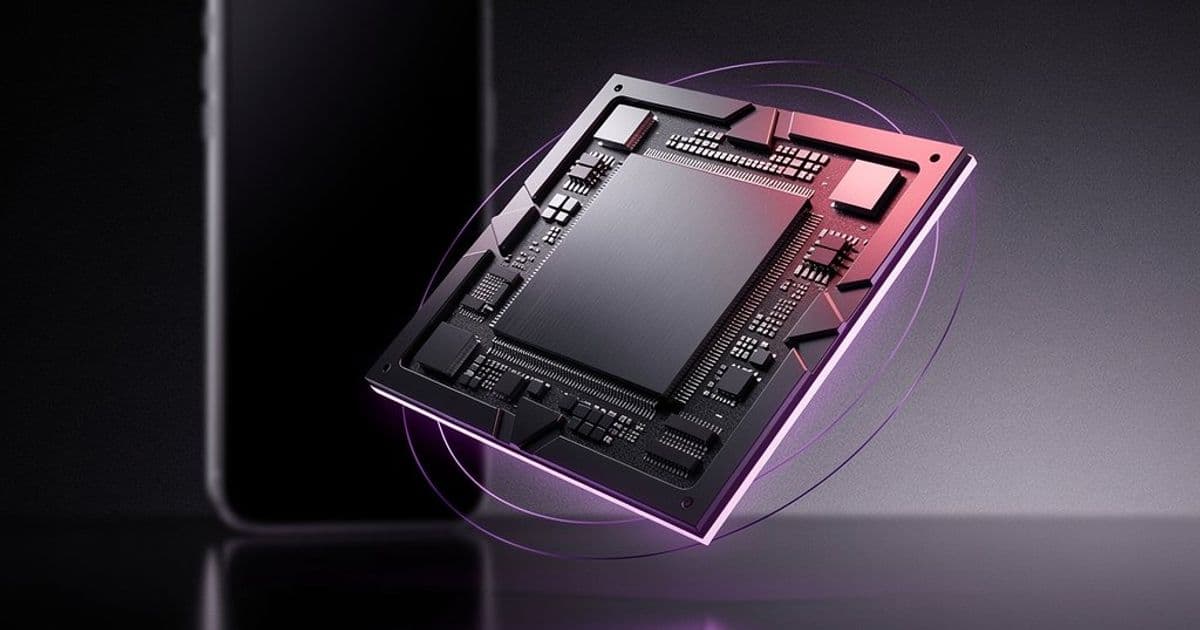
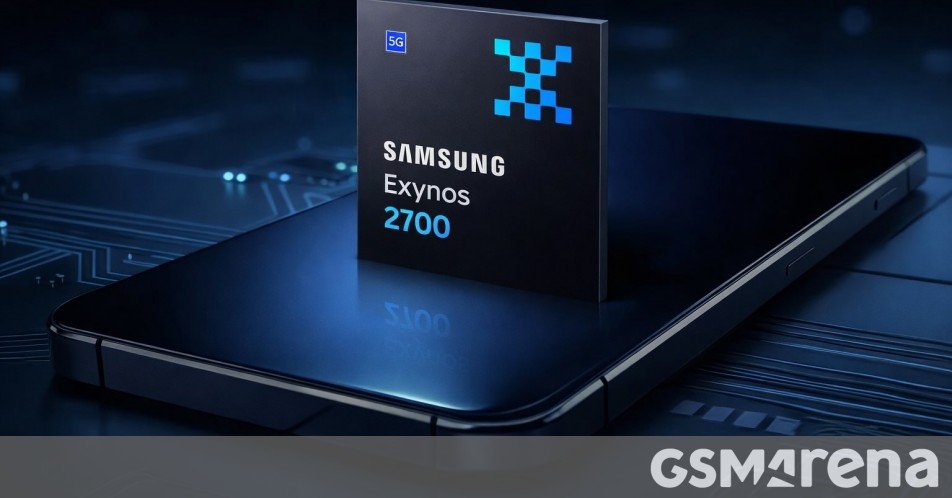
A new leak suggests Samsung is already developing its second-generation 2nm chipset, the Exynos 2700, promising significant gains in efficiency and performance for the Galaxy S27 series.
Even as the first 2nm mobile chipset, the Exynos 2600, awaits its commercial debut in the upcoming Galaxy S26 series, details about its successor have already surfaced online. A new leak, originating from a tipster with limited prior history, paints a picture of the Samsung Exynos 2700, expected to arrive in 2027 alongside the Galaxy S27 lineup.
While the information should be treated with caution, it offers an intriguing glimpse into Samsung's long-term silicon roadmap and its ongoing battle for mobile performance supremacy.
The Leap to Second-Generation 2nm
The core of the leak revolves around manufacturing process improvements. The Exynos 2700, reportedly codenamed "Ulysses," is rumored to be built on Samsung's second-generation 2nm process, known as SF2P. This is a direct evolution from the SF2 node used for the Exynos 2600.
Process node shrinks are the primary driver of performance and efficiency gains in the semiconductor industry. Moving from a first-generation to a second-generation process typically allows engineers to refine the technology, squeezing out more performance at lower power levels. According to the leak, this transition could yield a 12% boost in overall performance and a substantial 25% reduction in power consumption compared to the Exynos 2600. For users, this translates to longer battery life and more sustained performance during demanding tasks like gaming or video editing.
CPU Architecture and Performance Targets
The leak also provides some specific details about the CPU configuration. The Exynos 2700 is said to feature a prime core clocked at an aggressive 4.2GHz. This high-frequency core would be responsible for handling the most demanding single-threaded tasks. It will reportedly be paired with ARM's next-generation C2 cores, though the exact configuration of the performance and efficiency cores remains unspecified.
To put these numbers in perspective, the tipster claims the chipset could achieve approximately 4,800 points in the Geekbench single-core test and 15,000 in the multi-core test. If these figures hold true, they would represent a significant generational jump, placing Samsung's silicon in close competition with top-tier offerings from Qualcomm and Apple.
Advanced Packaging and Memory Support
Heat management is a critical challenge in modern smartphones, especially as chipsets become more powerful. The Exynos 2700 is rumored to incorporate Samsung Foundry's FOWLP-SbS (Side-by-Side) packaging technology. This advanced technique improves thermal efficiency and heat dissipation, which should help the chipset maintain peak performance for longer periods without significant thermal throttling.
Furthermore, the Exynos 2700 is expected to embrace next-generation memory and storage standards. Support for LPDDR6 RAM and UFS 5.0 storage is mentioned, with claims of up to a 40% improvement in overall system performance. This would dramatically speed up data access for everything from app loading times to 8K video recording and playback.
Ecosystem Context and The Road Ahead
These rumors, while early, align with Samsung's public ambition to regain leadership in the System-on-Chip (SoC) market. The company has invested heavily in its foundry business and custom CPU designs (via its Austin R&D center) to create a more competitive product.
The Exynos 2700 is expected to power the Samsung Galaxy S27 series in certain regions, continuing the company's dual-sourcing strategy that often sees Exynos chips in Europe and Asia, while North America and China receive Qualcomm's Snapdragon variants. This strategy often creates a two-tiered ecosystem, where users in different markets experience slightly different performance and battery life from the same phone model.
It's important to remember that the 2027 timeline is far off. The silicon design process is long and complex, and specifications can and will change. The Exynos 2600 itself is still in the wings, and its real-world performance will be the true indicator of Samsung's current trajectory. However, this leak suggests Samsung is not just planning for next year, but is already laying the groundwork for a more powerful and efficient future for its flagship devices.
Comments
Please log in or register to join the discussion