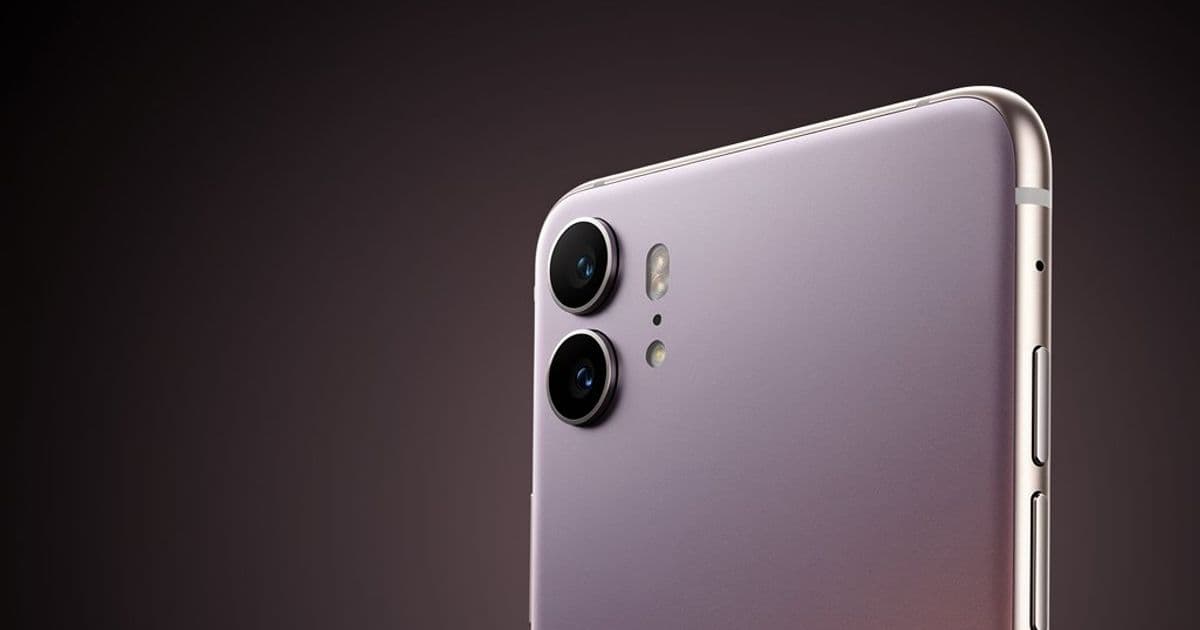
New TENAA certification images show Samsung's upcoming mid-ranger with a 6.9mm profile and upgraded display technology, maintaining design continuity while refining hardware.
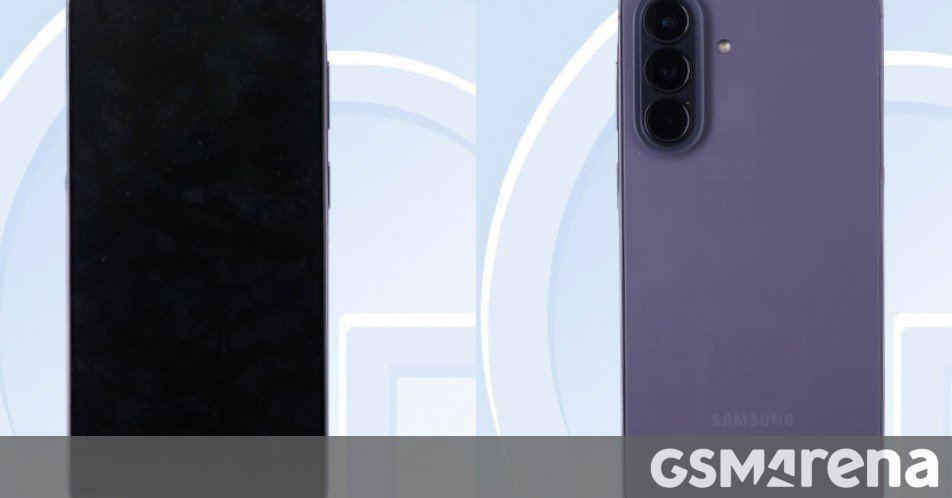
New certification images reveal Samsung's Galaxy A57 sporting a familiar yet refined design language. The device appears in official TENAA listing photos showing its purple colorway and confirming significant dimensional changes from its predecessor. Measuring just 6.9mm thick and weighing 182 grams, the A57 represents a notable reduction from the Galaxy A56's 7.4mm thickness and 198-gram weight, potentially improving one-handed usability.
The aluminum frame and glass back construction carry forward from previous models, maintaining premium materials in Samsung's mid-range lineup. Display technology sees an upgrade with a 6.6-inch flexible OLED panel supplied by TCL's CSOT division, marking a shift from previous A-series display sourcing strategies.
Key Hardware Specifications:
- Chipset: Samsung Exynos 1680 (expected to bring 5G connectivity)
- Battery: 5,000mAh capacity with 45W wired charging
- Camera System:
- 50MP main sensor (Sony IMX906 or Samsung S5KGNJ depending on region)
- 13MP ultrawide (S5K3L6)
- 5MP macro (GalaxyCore GC05A3)
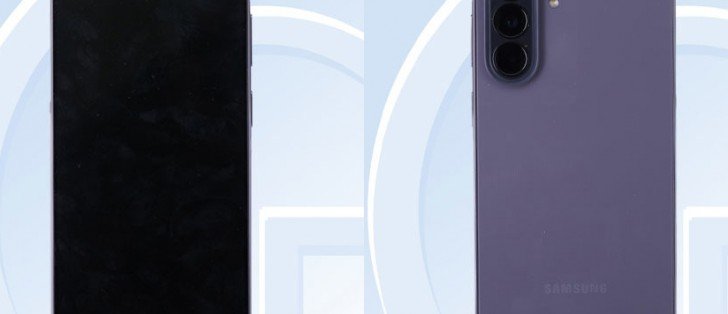
This hardware configuration suggests Samsung is maintaining its tiered approach to camera technology, reserving higher-end sensors for flagship devices while delivering competent imaging capabilities at this price point. The continued absence of wireless charging and microSD expansion reflects Samsung's segmentation strategy, though some users may find these omissions disappointing.
Ecosystem Context:
The Galaxy A57's iterative design follows Samsung's two-year refresh cycle for A-series aesthetics, balancing cost efficiency with recognizable branding. This approach creates visual consistency across Samsung's product stack but risks appearing stagnant compared to competitors' more frequent design innovations. The device will likely ship with Android 16 and Samsung's One UI 8, continuing the company's commitment to extended software support for mid-range devices.
Market positioning remains crucial - the A57 will compete against Google's Pixel A-series and Xiaomi's Redmi Note line, where camera performance and software experience often outweigh raw specifications. Samsung's decision to maintain premium materials while optimizing dimensions suggests a focus on ergonomics and hand feel as key differentiators.
As Samsung prepares for an expected Q2 2026 launch, the Galaxy A57 appears positioned as a refinement rather than revolution in the competitive $300-$400 smartphone segment. The device's success may hinge on regional pricing strategies and carrier partnerships, where Samsung traditionally maintains strong retail presence.
Comments
Please log in or register to join the discussion