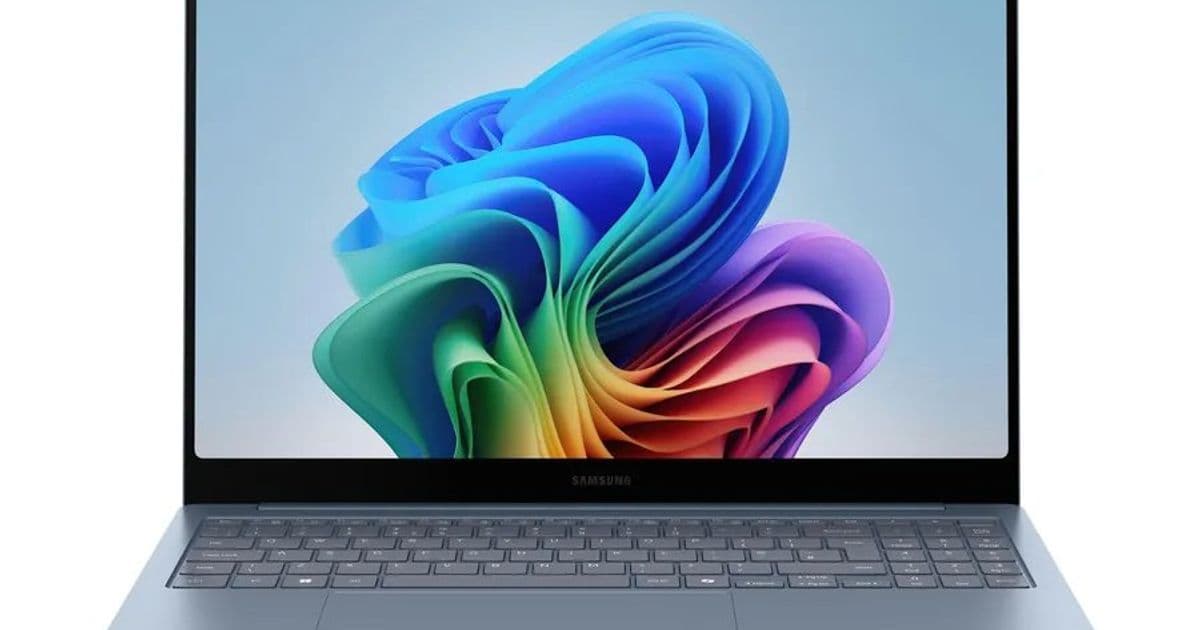
Samsung's upcoming Galaxy Book 6 Edge brings Qualcomm's latest Snapdragon X2 processor to a premium 16-inch OLED display, offering Windows on Arm with impressive specifications and battery life.
Samsung's Galaxy Book 6 Edge is making waves ahead of its official release, with an early listing revealing a Windows on Arm powerhouse that stands apart from its Intel-powered siblings. The laptop combines Qualcomm's latest Snapdragon X2 Elite processor with a stunning 16-inch AMOLED display, positioning itself as a premium option for professionals seeking both performance and portability.
What's New in the Galaxy Book 6 Edge
The most significant upgrade in the Galaxy Book 6 Edge is its adoption of Qualcomm's Snapdragon X2 Elite X2E-88-100 processor. This represents a departure from the Intel processors found in Samsung's other sixth-generation Galaxy Book models (the standard Galaxy Book 6, Galaxy Book 6 Pro, and Galaxy Book 6 Ultra). While Intel's Panther Lake chips power those models, the Edge embraces Arm architecture with the latest Snapdragon X2, promising improved efficiency and potentially better battery life.
Display-wise, the Galaxy Book 6 Edge brings a substantial upgrade with its 16-inch AMOLED panel. The screen offers a 2880 × 1800 resolution with a 16:9 aspect ratio and a smooth 120Hz refresh rate. However, Samsung has made some compromises compared to its predecessor: the new model lacks touch support and features a matte finish rather than glossy. The display peaks at 500 nits brightness, which should be sufficient for most indoor environments but may struggle in very bright outdoor settings.
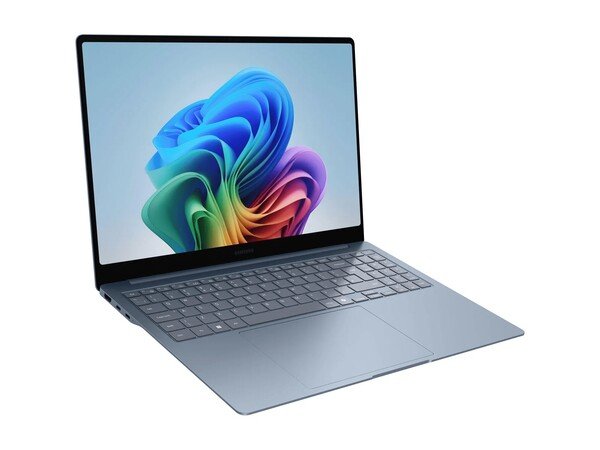 The Galaxy Book 6 Edge will have a 16-inch OLED display.
In terms of connectivity, the Galaxy Book 6 Edge doesn't disappoint with modern options including Wi-Fi 7 and Bluetooth 5.4. The laptop offers a comprehensive port selection with two USB 4.0 Type-C ports, a single USB-A port, a full-sized HDMI 2.1 port, a microSD card reader, and a combo jack for audio. Security is handled through a fingerprint scanner, and Samsung promises up to 22 hours of battery life from the 61.8Wh battery, which is particularly impressive given the power demands of the large OLED display.
How the Galaxy Book 6 Edge Compares
When compared to its predecessor, the Galaxy Book 4 Edge, the new model makes several notable changes. Most significantly, Samsung has increased the display size from 15.6 inches to 16 inches while maintaining a similar resolution, resulting in a higher pixel density. However, the company has removed touch functionality and switched to a matte finish, which may disappoint users who valued these features in the previous model.
The processor transition from Intel to Qualcomm's Snapdragon X2 is perhaps the most significant architectural change. While Intel's processors have traditionally dominated the Windows laptop market, Qualcomm's latest Snapdragon X2 promises better power efficiency and potentially improved performance for certain workloads. The Arm-based architecture also enables features like instant-on capability and longer battery life, though users may need to ensure compatibility with their essential applications.
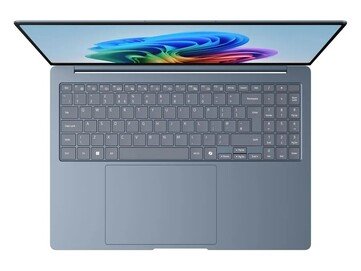 Cyberport listing for the Galaxy Book 6 Edge.
Unlike the Galaxy Book 4 Edge, which was available in both 14-inch and 15.6-inch variants, the Galaxy Book 6 Edge appears to be offered only in the larger 16-inch size. This suggests Samsung is targeting users who prioritize screen real estate over extreme portability with this model.
When compared to Samsung's other sixth-generation Galaxy Book models, the Edge stands out primarily for its Snapdragon processor. The Galaxy Book 6, 6 Pro, and 6 Ultra all feature Intel's latest Panther Lake processors, which may offer better performance for certain workloads, particularly those that are heavily optimized for x86 architecture. However, the Edge's OLED display and potentially superior battery life could make it more appealing to creative professionals and mobile workers.
Who Is the Galaxy Book 6 Edge For?
The Galaxy Book 6 Edge appears to be targeting professionals who value both display quality and battery life. The large 16-inch OLED display makes it particularly suitable for creative work, including photo editing, graphic design, and video content consumption. The matte finish, while eliminating touch functionality, should reduce glare and reflections in various lighting conditions.
The Snapdragon X2 processor suggests the laptop is optimized for productivity tasks rather than heavy gaming or intensive computational work. Users who primarily engage in web browsing, document editing, email communication, and media consumption will likely find the performance more than adequate. However, professionals using specialized applications that aren't yet optimized for Arm architecture may want to verify compatibility before making a purchase.
The €2,199 starting price positions the Galaxy Book 6 Edge in the premium segment of the laptop market. This is significantly higher than many Windows laptops with similar specifications, though the OLED display and Snapdragon X2 processor help justify the premium. The 32GB RAM/1TB SSD configuration is expected to cost upwards of €2,800, reflecting the current market conditions affecting RAM pricing.
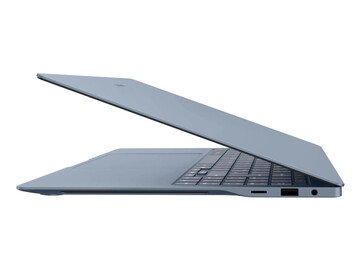 Side view of the Galaxy Book 6 Edge.
At 1.55kg and 12.3mm thick, the Galaxy Book 6 Edge offers a good balance between portability and screen size. It's heavier than ultraportables but lighter than many 16-inch competitors, making it suitable for professionals who need to carry their laptop regularly but don't require the absolute lightest device.
The Windows on Arm Landscape
The Galaxy Book 6 Edge's adoption of the Snapdragon X2 places it in an increasingly competitive Windows on Arm market. Microsoft's Surface Pro X and Lenovo's Yoga series have already demonstrated the potential of Arm-based processors in Windows devices, offering excellent battery life and fanless designs. However, application compatibility remains a concern for many potential users.
Qualcomm's latest Snapdragon X2 represents a significant improvement over previous generations, with better performance and broader application support through technologies like emulation. The processor is built on a 4nm manufacturing process, which contributes to its power efficiency and thermal performance. For users whose primary applications are already compatible or can be replaced with alternatives, the Galaxy Book 6 Edge could offer an attractive combination of performance, battery life, and portability.
Final Thoughts
The Samsung Galaxy Book 6 Edge appears to be a well-considered addition to Samsung's laptop lineup, offering a premium OLED display in a relatively portable form factor with the latest Snapdragon processor. While it makes some compromises compared to its predecessor (removing touch functionality and offering only one size), the improved specifications and potential battery benefits could make it an attractive option for the right user.
As Samsung has yet to officially announce the Galaxy Book 6 Edge, some details may change before release. However, the early listing provides a clear indication of the company's direction for this model. With its Snapdragon X2 processor, 16-inch OLED display, and premium build quality, the Galaxy Book 6 Edge is shaping up to be a compelling option for professionals seeking a Windows laptop with excellent display quality and battery life.
The only available color is Light Blue, which offers a distinctive alternative to the typical silver or black options in the premium laptop market. This color choice reflects Samsung's efforts to differentiate the Galaxy Book Edge from its more conventional siblings in the Galaxy Book lineup.
As the laptop landscape continues to evolve, the Galaxy Book 6 Edge represents an interesting experiment in combining Arm efficiency with premium display technology. Whether it will succeed in convincing Windows users to embrace Arm architecture remains to be seen, but its specifications suggest it's a serious contender in the premium laptop market.
Comments
Please log in or register to join the discussion