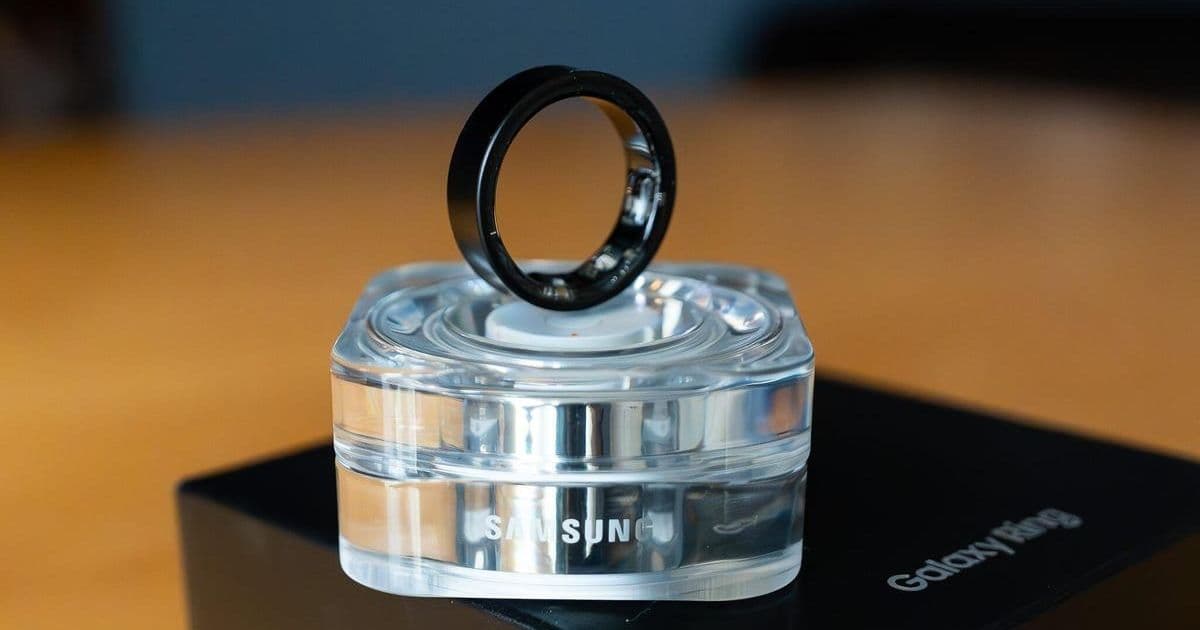
Samsung's Galaxy Ring delivers surprisingly sophisticated health analytics that eclipse even Apple Watch in providing actionable wellness guidance. Its minimalist design, week-long battery, and subscription-free model make it a compelling Android-focused wearable, despite minor step-counting inaccuracies and limited iOS support.
The wearable tech landscape is evolving beyond the wrist, and Samsung's entry into the smart ring arena with the Galaxy Ring ($399) signals a significant shift. After extensive real-world testing, ZDNET's review reveals a device that prioritizes subtlety and actionable health intelligence over screens and notifications – and it excels where giants like Apple Watch fall short.
Beyond Step Counting: The Power of Actionable AI
The Galaxy Ring’s standout feature isn’t its compact titanium design or impressive 4-7 day battery life, but its AI-driven insights within the Samsung Health app. Unlike generic metrics, the ring synthesizes sleep, activity, and heart rate variability (HRV) data into a cohesive "Energy Score" and provides specific, actionable feedback.
"One day I looked at my Energy score of 78... my lowest metric was 'Previous day activity.' It noted that my 'moderate-to-vigorous exercise time' was only six minutes and recommended that I increase that to 33 to 87 minutes," notes ZDNET's Editor-in-Chief Jason Hiner. This direct coaching, powered by Samsung's advanced optical bio-signal sensor, translates raw data into tangible health improvements – a level of interpretation often missing from Apple's ecosystem despite similar sensor capabilities.
Design, Comfort, and the Android Advantage
Physically, the Galaxy Ring impresses:
- Lighter & Thinner: More streamlined than the Oura Ring.
- Concave Shape: Enhances durability against scratches.
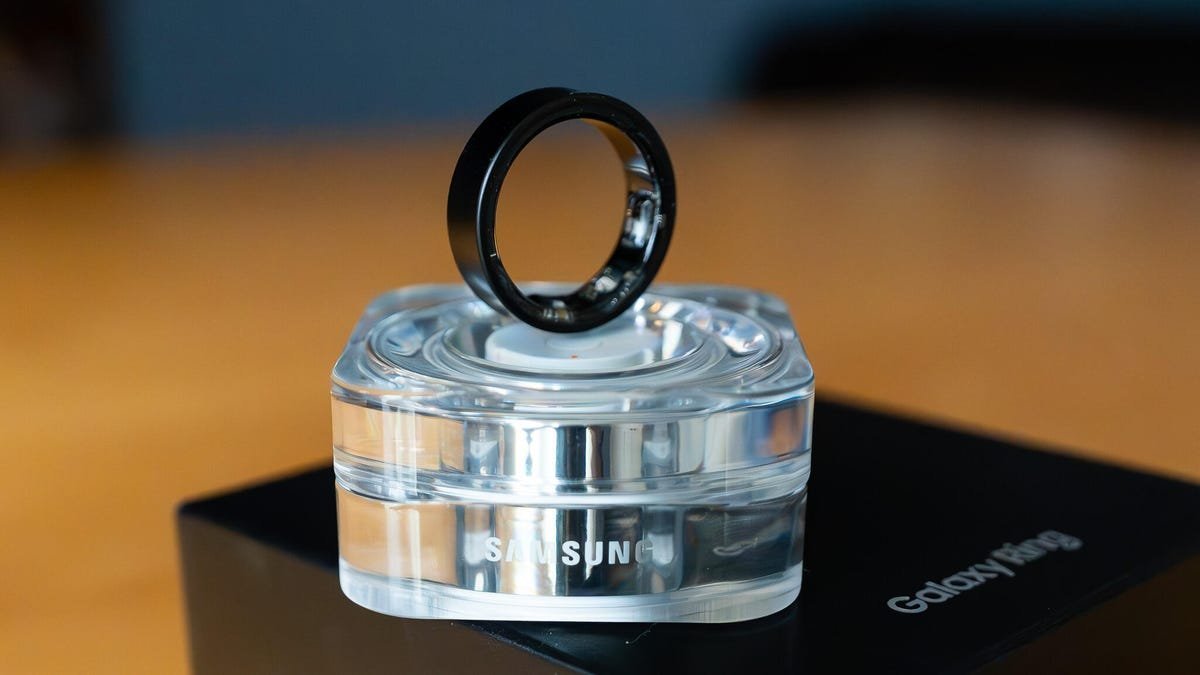
- Innovative Charging: Ships with a portable charging case featuring its own battery.
- No Subscription: A key differentiator versus Oura's $5.99/month model.
The ring leverages Samsung's years of health sensor development from its smartwatches, packing an accelerometer, skin temperature sensor, and sophisticated PPG heart rate monitor into its tiny form. However, its ecosystem strength lies firmly with Android, particularly Samsung devices. iOS users face significant limitations.
Trade-offs: Accuracy Quirks and Platform Limits
Testing revealed notable drawbacks:
- Step Overcounting: The ring consistently tracked ~10% more steps than the Apple Watch Ultra 2 and Oura Ring, potentially skewing activity goals.
- Limited iOS Functionality: iPhone users lose deep integration and key features.
- Basic Cycle Tracking: While included, ZDNET found it prone to miscalculations compared to dedicated solutions.
The Verdict: A New Contender Redefining Wearable Intelligence
The Galaxy Ring isn't just another tracker; it's a statement on the future of ambient health monitoring. Its ability to distill complex biometrics into genuinely useful, AI-powered guidance sets a new bar for actionable wellness tech. For Android users seeking deep health insights without wrist distractions or recurring fees, Samsung has delivered a remarkably polished first-generation product that prioritizes meaningful feedback over flashy metrics. While step-counting needs refinement and iOS support is lacking, the Galaxy Ring proves that sometimes, the most powerful insights come in the smallest packages – worn on your finger, not your wrist.
Source: ZDNET
Comments
Please log in or register to join the discussion