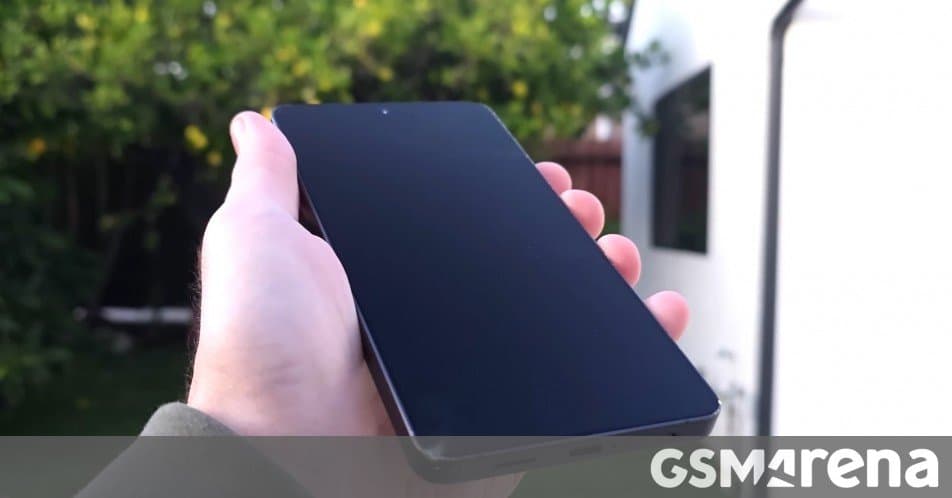
Samsung's latest flagship shows more visible damage in drop tests compared to its predecessor, though it remains fully functional despite the switch to aluminum frame and more exposed camera island.
Samsung's Galaxy S26 Ultra has undergone rigorous durability testing, revealing how the flagship's design changes impact its ability to withstand real-world accidents. The latest drop test from PBKreviews shows that while the phone survives multiple falls, it shows more visible damage than last year's model.
The most significant change affecting durability is Samsung's switch from a titanium frame to aluminum. Titanium, used in the S25 Ultra, offers superior strength-to-weight ratio and better resistance to deformation. Aluminum, while lighter and less expensive, is more prone to denting and scratching under impact. This material change, combined with more rounded corners and a more exposed camera island, creates a phone that looks worse after drops but still functions perfectly.
During the drop test, the first fall from waist height caused visible damage to the left corner frame, though the main display survived intact. The second drop cracked the glass covering the 5x telephoto lens, and by the third drop, that lens glass had completely shattered alongside additional frame scrapes. Despite this cosmetic damage, the phone remained fully operational throughout testing.
This performance represents a slight step back from the S25 Ultra, which showed less visible damage in similar tests. However, the core functionality remains intact, suggesting Samsung prioritized other design elements over maximum drop resistance.
Beyond the drop test, PBKreviews also released a teardown video showing the S26 Ultra's internal layout. The internals appear nearly identical to last year's model, with the same Corning Gorilla Armor 2 protection on displays and Gorilla Glass Victus 2 on the back panel. The disassembly procedure follows the same pattern as the S25 Ultra, making repairs straightforward for those familiar with the previous generation.
One notable internal change involves thermal management. Samsung increased the amount of thermal paste around the motherboard to improve heat dissipation. The vapor chamber also received a redesign, maintaining the same overall size as the S25 Ultra but with a slightly altered shape to optimize cooling performance.
These durability findings align with the phone's repairability score. The S26 Ultra earns a 9/10 rating, identical to its predecessor, indicating that while the exterior may show more wear, the fundamental repairability remains excellent.
For users concerned about drop damage, the test suggests the S26 Ultra requires more careful handling than previous models. The more exposed camera island and softer aluminum frame mean that drops are more likely to result in visible damage, even when the phone continues to function properly. This trade-off between design aesthetics and durability represents a conscious choice by Samsung, prioritizing the phone's new rounded design and potentially improved ergonomics over maximum impact resistance.
The durability results raise questions about long-term ownership costs. While the phone remains functional after significant drops, the more exposed camera glass and aluminum frame may lead to higher repair costs for those who frequently drop their devices. Users will need to weigh these durability considerations against the S26 Ultra's other improvements when deciding whether to upgrade from previous models.
Comments
Please log in or register to join the discussion