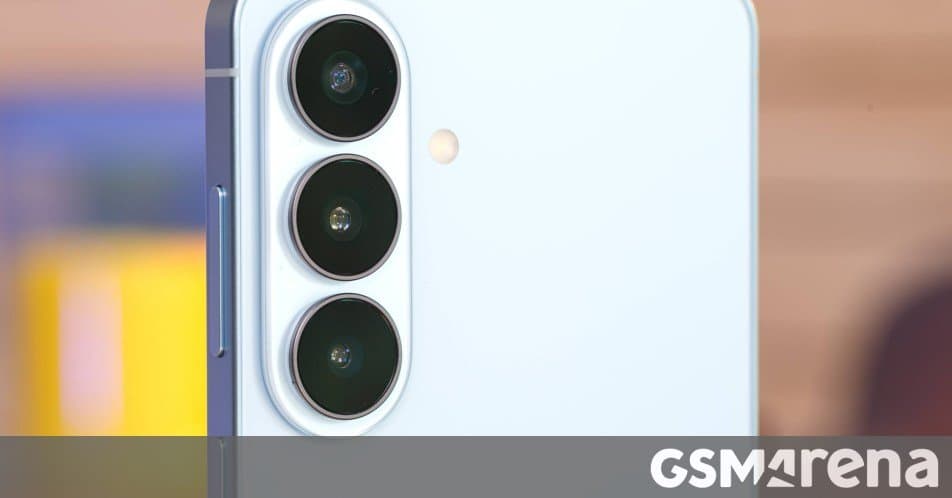
New rumors suggest Samsung may redesign the camera placement on its upcoming Galaxy S27 series to accommodate magnets for Qi2 wireless charging compatibility, potentially enabling MagSafe-like accessories.
According to recent reports from Korea, Samsung is considering a significant redesign for its upcoming Galaxy S27 series, with changes potentially coming to the camera placement on the rear of its flagship smartphones. This move, if implemented, would mark a departure from Samsung's long-standing camera island design that has become a recognizable feature of its premium devices for several years.
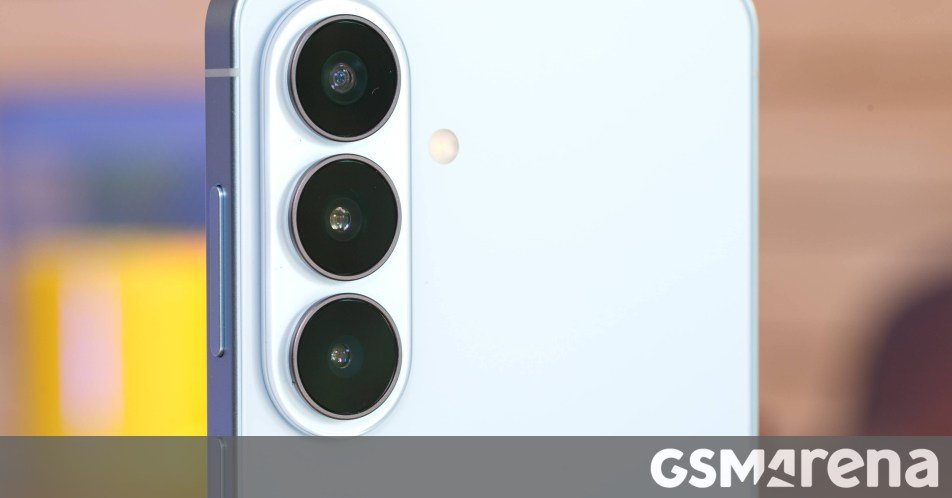
The current camera placement on Samsung's flagships has remained relatively consistent across multiple generations, creating a distinctive design language that consumers have come to associate with the Galaxy S series. This potential redesign would be more than just a cosmetic change, as it appears to be driven by functional requirements rather than aesthetic considerations alone.
The primary motivation behind this rumored camera reshuffle appears to be the integration of magnets into the rear of Samsung's flagship devices. These magnets would be part of the Qi2 wireless charging standard, which includes magnetic alignment capabilities similar to Apple's MagSafe technology. Currently, Google is the only Android manufacturer to have implemented magnets in its smartphones, following Apple's lead which introduced MagSafe with the iPhone 12 series.
The inclusion of magnets would represent a significant enhancement to Samsung's ecosystem, enabling a wider range of accessories to work seamlessly with Galaxy devices. This would particularly benefit users who prefer to use their phones without cases, as magnetic accessories could attach directly to the phone's back. From a practical standpoint, this could open up new possibilities for wallet attachments, car mounts, and other magnetic accessories that have become popular in the Apple ecosystem.
The Qi2 standard, developed by the Wireless Power Consortium, builds upon the original Qi wireless charging protocol by adding magnetic alignment. This ensures more efficient energy transfer by maintaining optimal positioning between the charger and device. For Samsung, implementing this technology would not only improve its wireless charging capabilities but also align with industry trends toward more standardized accessory ecosystems.
However, the implementation may face challenges. According to the rumors, "due to recent cost issues," Samsung might delay the magnet integration to the Galaxy S28 series instead. This suggests that the company is carefully weighing the benefits against production costs and component pricing. The decision may ultimately depend on how RAM and storage prices evolve in the coming months, as these components could impact the overall production economics of the device.
From a broader perspective, this potential design change reflects Samsung's ongoing efforts to enhance its ecosystem and compete more effectively against Apple. The integration of magnets would represent another step in creating a more cohesive Samsung ecosystem, complementing existing features like Samsung DeX, Link to Windows, and the company's expanding lineup of accessories.
If Samsung proceeds with this camera redesign for the Galaxy S27 series, it would mark a significant departure from its established design language. The company has typically maintained camera consistency across generations, making this potential change noteworthy. However, given the functional benefits of magnetic integration, such a trade-off might be justified in the eyes of both the company and consumers.
For consumers, the implications could be significant. A magnetic attachment system would expand the range of compatible accessories, potentially enhancing the overall user experience. It would also position Samsung more favorably against competitors who might implement similar technologies in the future.
As with any unconfirmed rumor, these details should be approached with caution. Samsung has not officially commented on these design considerations, and the final implementation may differ from current speculation. The possibility of a delay to the Galaxy S28 series further underscores the tentative nature of these reports.
As we move closer to the expected Galaxy S27 launch timeline, likely in early 2027, more concrete information should emerge. Until then, consumers and industry observers will watch closely to see if Samsung indeed breaks from its traditional camera design to embrace the magnetic charging ecosystem that has proven popular in other smartphone markets.
Comments
Please log in or register to join the discussion