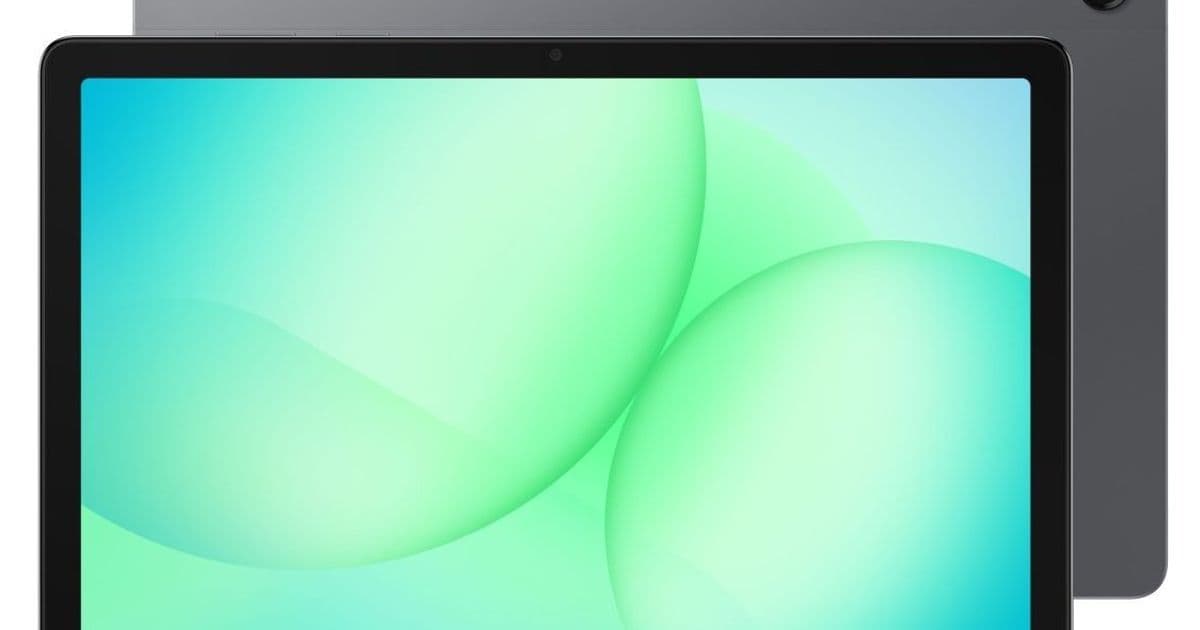
Samsung's new Galaxy Tab A11+ tablet featuring an 11-inch 90Hz display, MediaTek Dimensity 7300 processor, and optional 5G connectivity is now available in the US starting at $250.
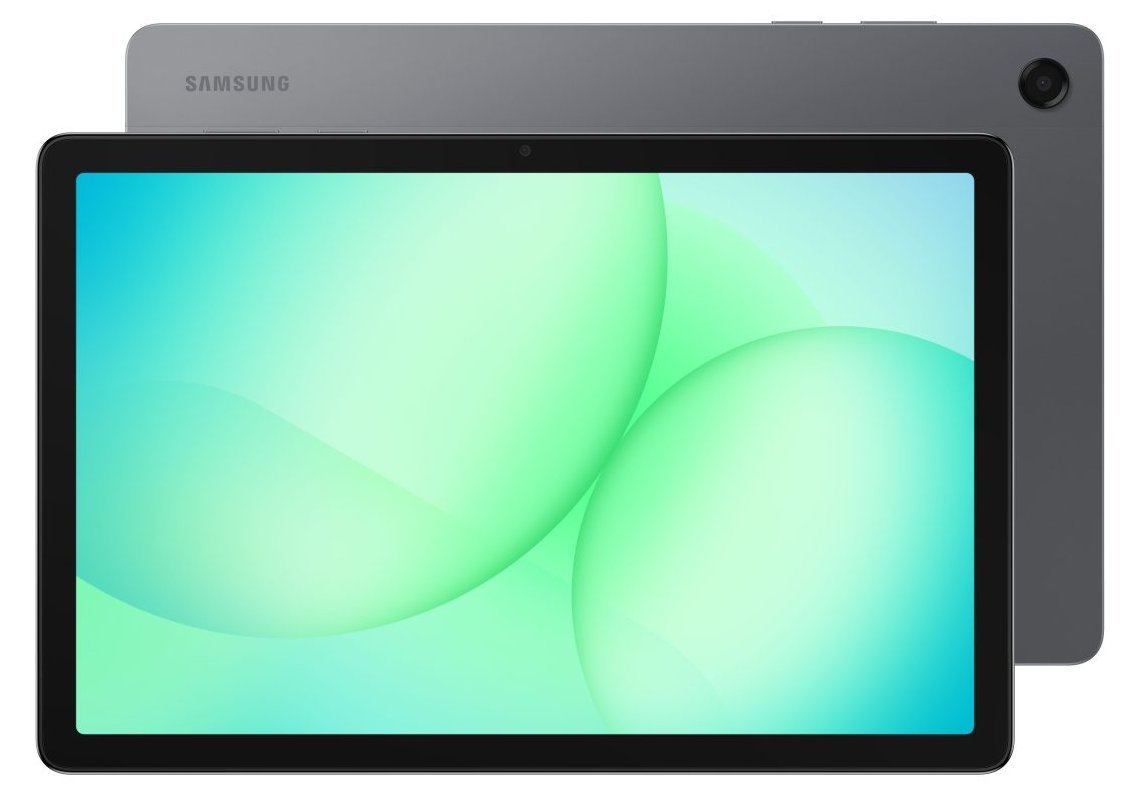
Samsung has officially launched its Galaxy Tab A11+ tablet in the United States, bringing notable upgrades to the budget tablet segment. Positioned as a direct competitor to Amazon's Fire Max 11, the device enters the market with configurations starting at $250 for the WiFi model and scaling up to $310 for higher-spec variants.
The tablet's hardware represents a significant step forward for Samsung's budget lineup:
- Display: 11-inch LCD panel with 1920×1200 resolution and 90Hz refresh rate
- Processor: MediaTek Dimensity 7300 chipset
- Memory/Storage: Base model includes 6GB RAM + 128GB storage (expandable via microSD up to 2TB)
- Connectivity: WiFi 5, Bluetooth 5.3, USB-C 2.0, and optional 5G ($280 model)
- Audio: Quad speakers with Dolby Atmos support
- Durability: IP52-rated metal unibody chassis (257×169×7mm, 477g)
- Battery: 7040mAh capacity
- Cameras: 8MP rear and 5MP front-facing
Three distinct configurations are available:
- WiFi (6GB/128GB): $250 (Gray/Silver)
- 5G (6GB/128GB): $280 (Gray only)
- WiFi (8GB/256GB): $310 (Gray/Silver)
Compared to Amazon's similarly priced Fire Max 11, the Galaxy Tab A11+ offers several advantages:
- Higher refresh rate display (90Hz vs 60Hz)
- More RAM (6GB/8GB vs 4GB)
- Standard Android with Google Play Store access (vs Fire OS)
- Newer MediaTek Dimensity 7300 processor
- Expandable storage support
Notable limitations include the lack of pressure-sensitive S-Pen support (reserved for Tab S series) and USB 2.0 transfer speeds. The tablet ships with Android 13 and Samsung's One UI customization layer.
For developers targeting mid-range Android devices, the Dimensity 7300 chipset brings modern features:
- 4nm manufacturing process
- ARMv9 architecture
- Mali-G615 MC2 GPU
- Support for LPDDR4X RAM and UFS 2.2 storage
This combination positions the Tab A11+ as a compelling option for both consumers seeking a media consumption device and developers needing a cost-effective testing platform that represents modern mid-range Android hardware capabilities.
Comments
Please log in or register to join the discussion