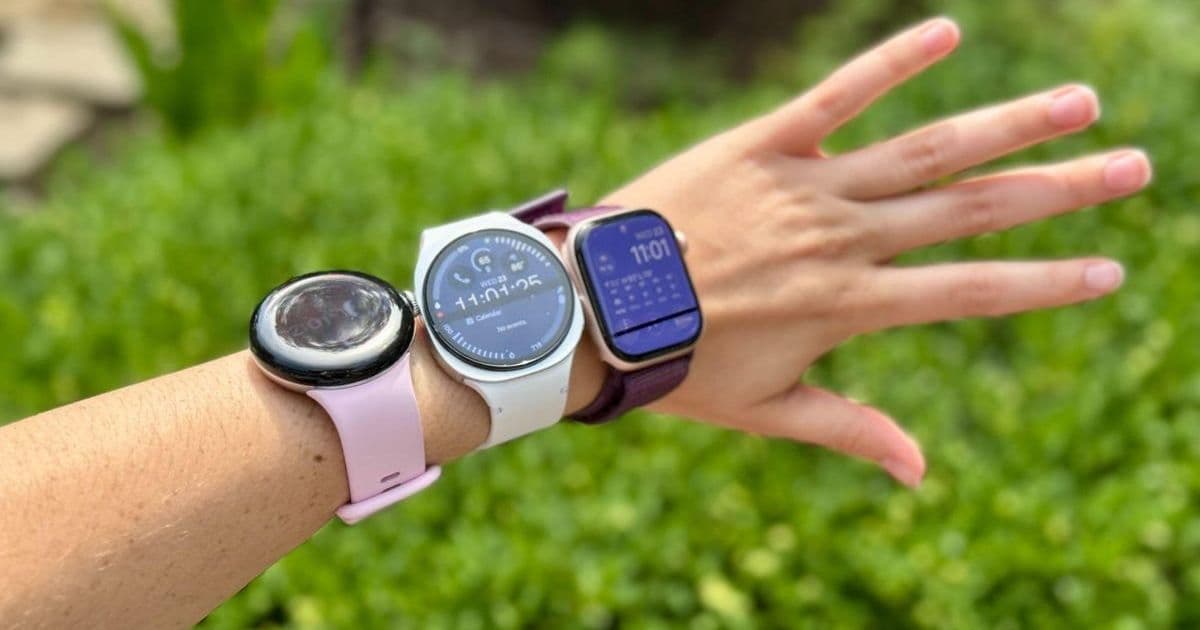
Samsung's Galaxy Watch 8 outshines rivals like the Pixel Watch 3 and Apple Watch Series 10 with its ultra-thin design, industry-leading 3,000-nit display, and groundbreaking AI features such as Running Coach. While experimental health metrics like Antioxidant Index reveal the challenges of real-world biometric accuracy, this Android-compatible wearable sets a new standard for data-driven fitness optimization.
In the fiercely competitive smartwatch arena, Samsung's Galaxy Watch 8 emerges as a formidable contender, blending hardware elegance with AI-driven health insights that challenge industry stalwarts. According to ZDNET's hands-on review by Nina Raemont, the Watch 8 leverages Samsung's deepening focus on healthcare technology—bolstered by recent acquisitions like digital health firm Xealth—to deliver a device that’s as intelligent as it is stylish.
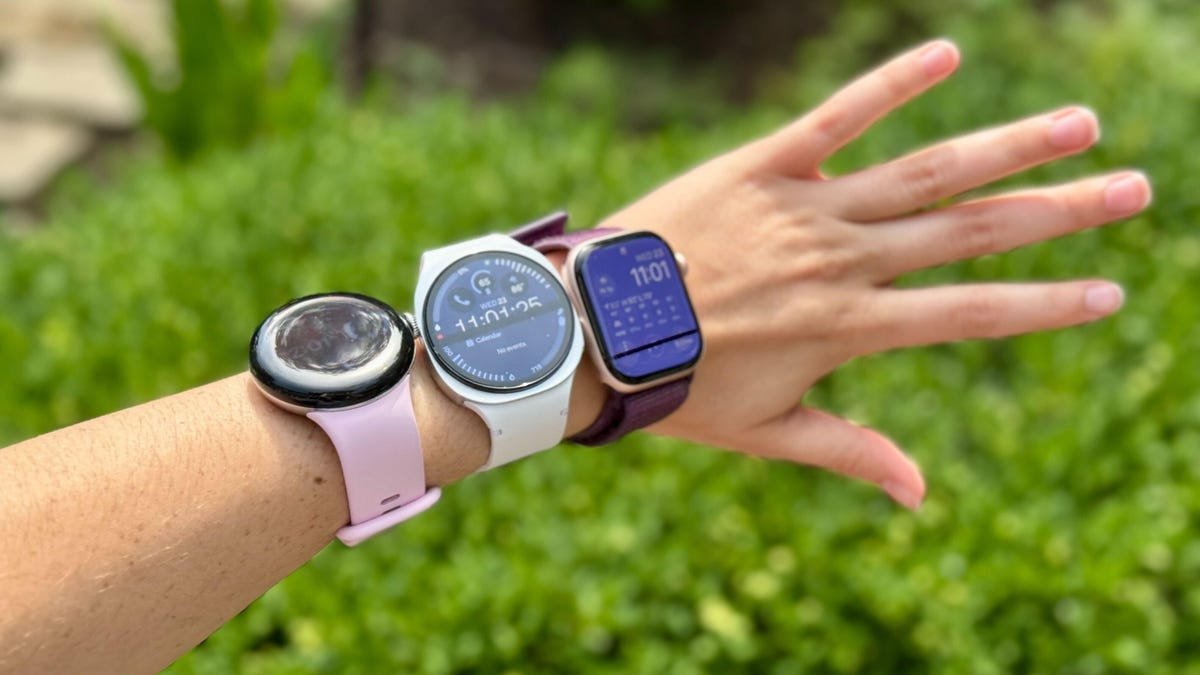 Samsung Galaxy Watch 8’s slim profile and vibrant display set it apart in crowded wearables market. (Source: ZDNET)
Hardware Excellence Meets Practical Design
The Watch 8’s most immediate advantage is its hardware: an 11% slimmer chassis than its predecessor, making it noticeably thinner than Google’s Pixel Watch 3 though slightly thicker than the Apple Watch Series 10. Its 3,000-nit display brightness eclipses competitors (Pixel Watch 3 offers 2,000 nits; Apple 2,000 nits), ensuring flawless visibility even in direct sunlight—a critical advantage for outdoor fitness tracking. Battery life varies by model size, with the 40mm version lasting approximately 1.5 days with Always-On display enabled. Practical touches like Multi-Info tiles allow swift access to frequently used functions (weather, sleep scores, activity tracking), minimizing screen-tapping friction.
AI Coaching and the Promise—and Pitfalls—of Advanced Biometrics
Where the Watch 8 truly innovates is in its software suite, anchored by Samsung’s One UI 8. The standout feature is Running Coach, an AI-driven trainer that assesses users via a 12-minute baseline test, then generates personalized running plans. As Raemont notes:
"The personalized running plan geared toward a user's recovery, ability, and experience level is an approachable tool for novice runners... it makes running—an already accessible sport—even more so."
The system scored Raemont a '3/10' initially, demonstrating its unflinching honesty, but provided actionable guidance that motivated renewed training discipline.
However, not all health features hit the mark. The much-touted Antioxidant Index—which scans biomarkers via the BioActive Sensor—produced inconsistent results despite Raemont’s nutrient-rich diet, fluctuating between 'very low' and 'low' (41–52/100). Samsung attributes this to skin-surface irregularities and notes readings may stabilize after two weeks, but the feature currently feels experimental. Other additions like Bedtime Guidance and Cardio Load show more promise, using sleep/activity data to optimize recovery schedules.
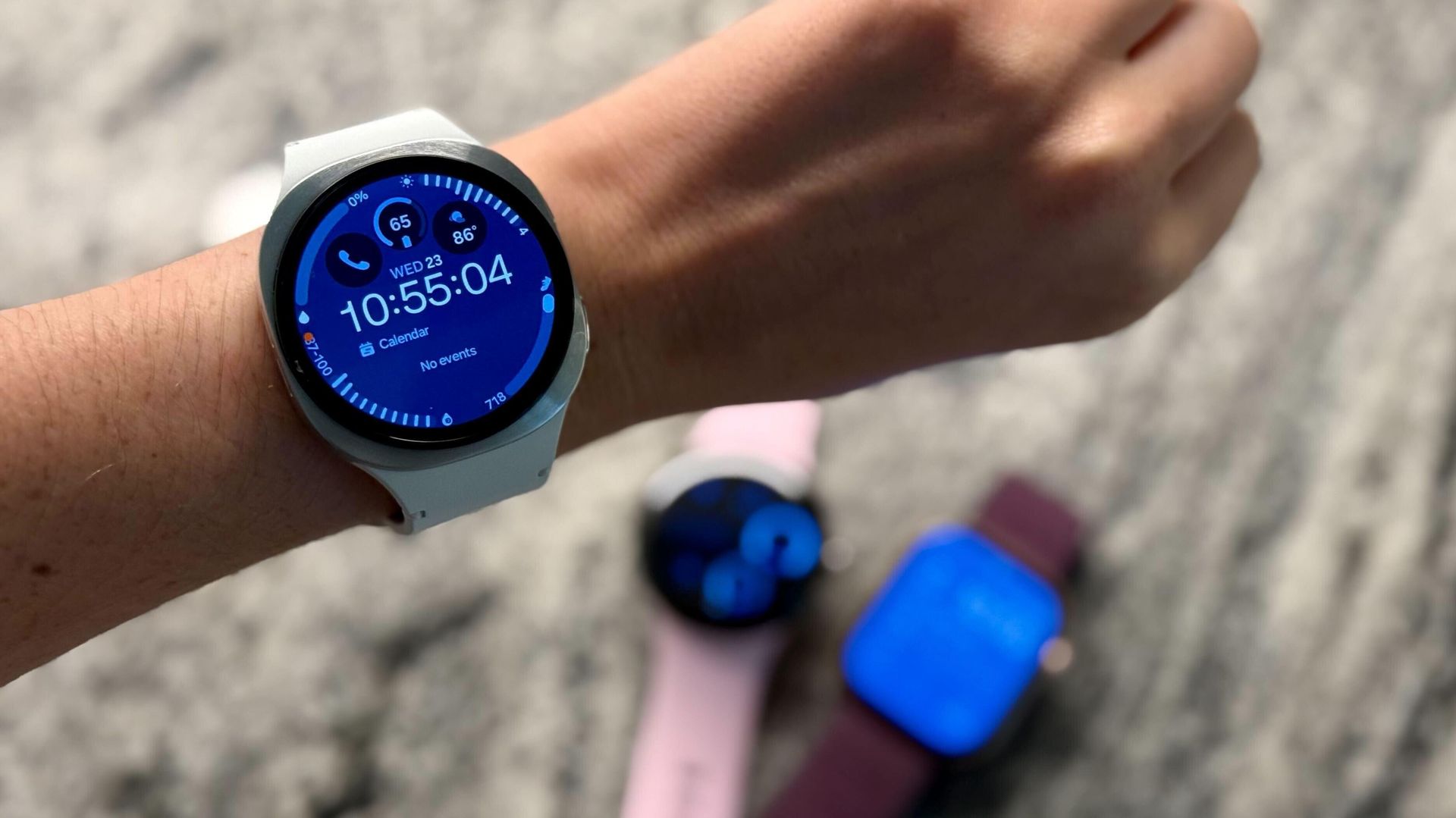 Size and display comparisons highlight Galaxy Watch 8’s competitive edge against Pixel Watch 3 and Apple Watch Series 10. (Source: ZDNET)
Why This Matters for the Wearables Ecosystem
The Watch 8’s triumphs and stumbles underscore a broader industry trend: as smartwatches evolve from notification hubs to health companions, the integration of AI must balance ambition with reliability. Running Coach exemplifies how machine learning can democratize fitness coaching, while Antioxidant Index reveals the calibration challenges in translating raw biometrics into actionable insights. For developers, this signals the growing importance of sensor-fusion algorithms and contextual data interpretation. Android users, particularly runners, will find the Watch 8’s blend of ergonomics and intelligent guidance unmatched in today’s market—even if Samsung’s health tech journey still has miles to run.
Source: ZDNET review by Nina Raemont
Comments
Please log in or register to join the discussion