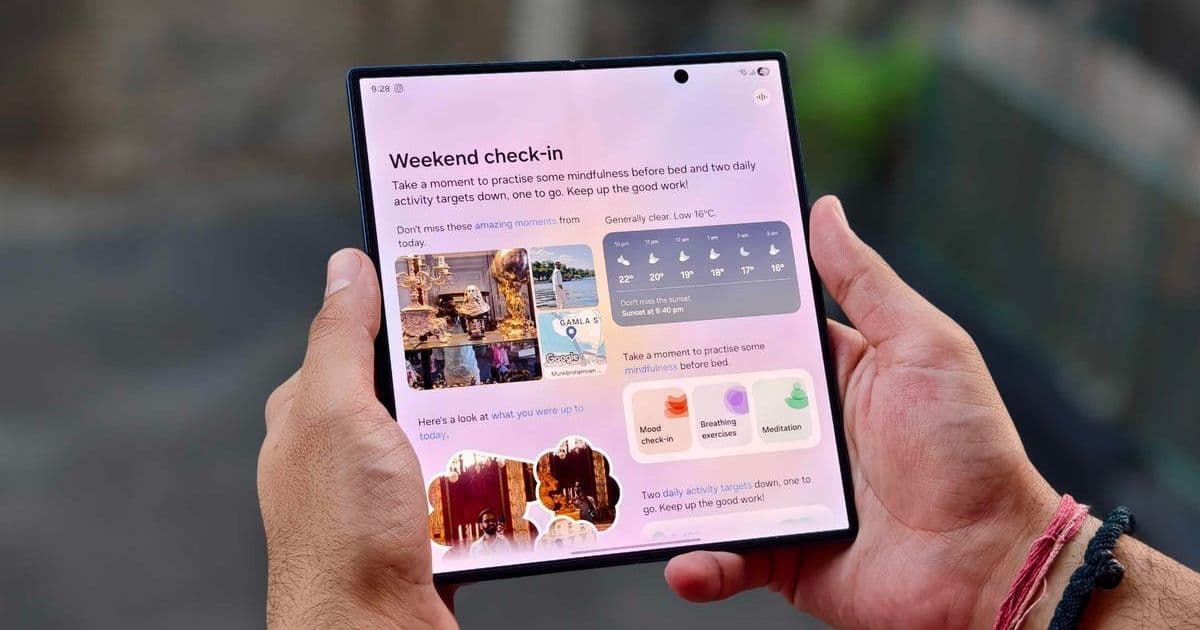

Samsung's Galaxy Z Fold 7 delivers a transformative foldable experience, shedding weight and thickness while nearly eliminating the screen crease. With a flagship-grade camera and robust AI, it sets a new bar for productivity—despite battery and pricing constraints.
Samsung Galaxy Z Fold 7: The Foldable That Finally Feels Like the Future
After years of incremental updates, Samsung's Galaxy Z Fold 7 emerges as a watershed moment for foldable smartphones. A week of rigorous testing reveals a device that masterfully balances form and function, setting a new standard in a market crowded with ambitious rivals. With a radical design overhaul, a near-invisible screen crease, and the camera hardware of Samsung's S-series flagship, the Z Fold 7 isn't just an upgrade—it's a statement.
The Hardware Revolution: Thin, Light, and Durable
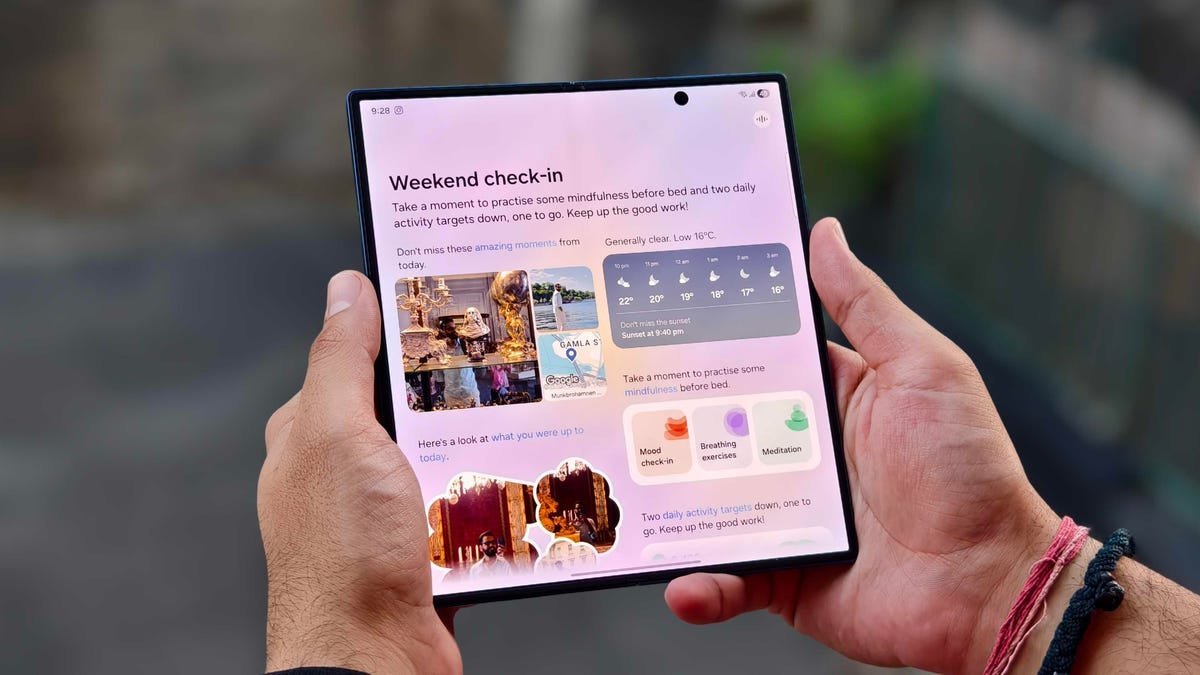
The Z Fold 7 shatters expectations with its svelte profile: just 4.2mm thin when unfolded and 215 grams light, making it the lightest book-style foldable available. For comparison, it undercuts competitors like the Oppo Find N5 (8.93mm) and Honor Magic V5 (215.5g). This isn't just a spec sheet victory; it transforms usability. As Prakhar Khanna notes in his ZDNET review: "The Galaxy Z Fold 7 is the most comfortable to hold Galaxy Z Fold phone yet—if you're right-handed." Left-handed users may still grapple with hinge discomfort, a lingering flaw.
Durability sees major gains too. A titanium plate reinforces the inner display, while Gorilla Glass Victus Ceramic 2 shields the cover screen. The IP48 rating offers dust and water resistance—a rarity in foldables—and the redesigned butterfly hinge minimizes the infamous screen crease better than any rival.
Display and Usability: Sacrifices and Triumphs
The 6.5-inch cover screen now adopts a practical 21:9 aspect ratio, behaving like a conventional smartphone. Unfolded, the 8-inch LTPO AMOLED 2X panel dazzles with 120Hz refresh rates and HDR10+ support. The crease, once a defining annoyance, is virtually eliminated—a feat surpassing Chinese competitors like Vivo and Honor.
This comes at a cost: Samsung abandoned the under-display camera (UDC) for a 10MP punch-hole lens. While it improves video call quality, it breaks immersion for reading or media. As Khanna observes: "I miss the UDC for immersion, but the reduced crease is worth the trade-off." The S Pen is also gone, a sensible omission for those prioritizing portability.
Camera and AI: Flagship Power Meets Smart Assistance
Samsung finally equips its foldable with a true flagship camera: the 200MP main sensor from the Galaxy S25 Ultra. Paired with a 12MP ultrawide and 10MP 3x telephoto, it captures vibrant, detailed shots. The 200MP mode excels for cropping, though lens switching is cumbersome. AI enhancements shine—tools like "AI Select" allow on-screen object interaction, and the refined "Audio Eraser" intelligently isolates voices in videos.
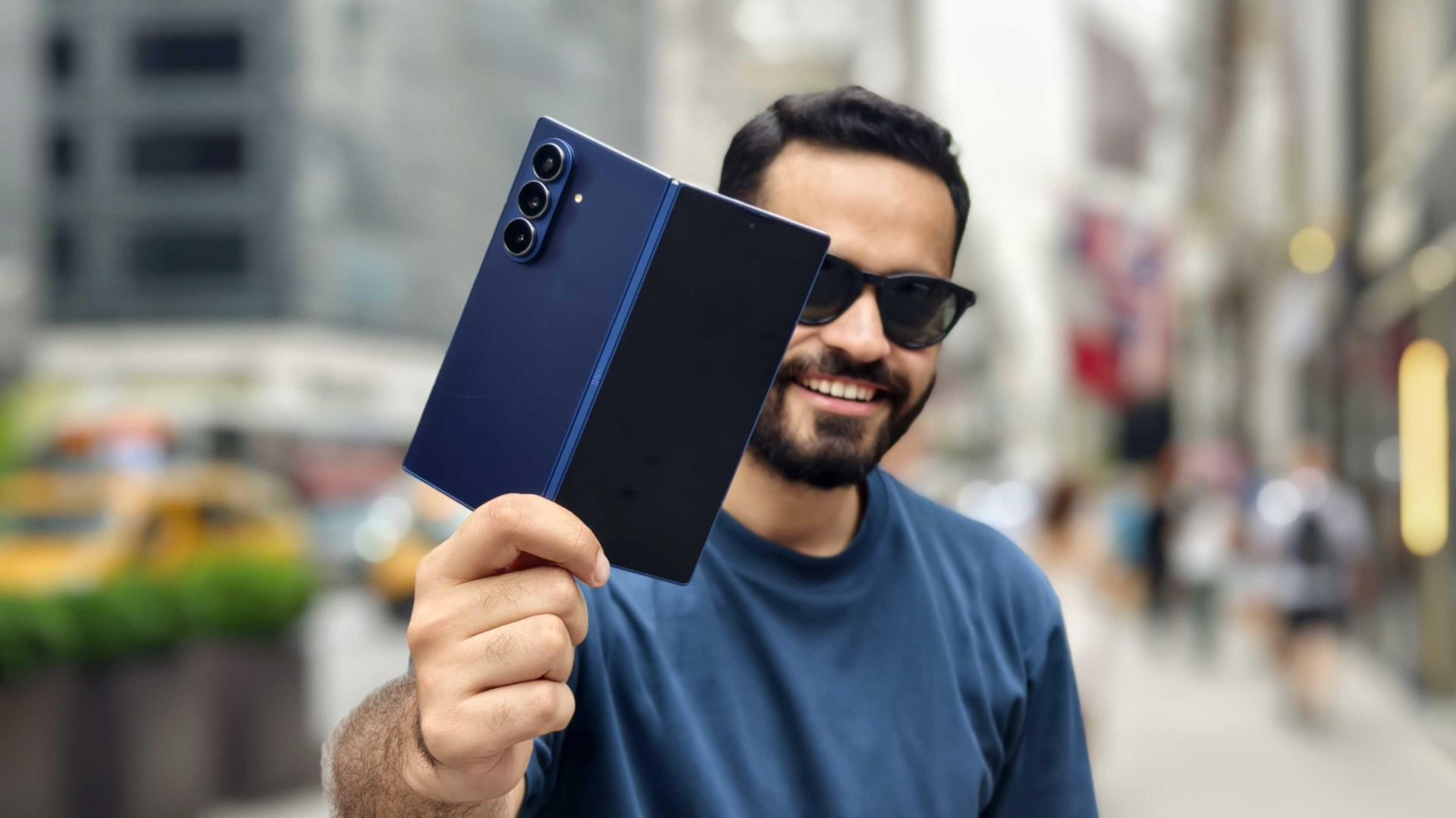
Sample portrait shot from Galaxy Z Fold 7 (Credit: Prakhar Khanna/ZDNET)
The Compromises: Battery and Price
Not every gamble pays off. The 4,400mAh battery—unchanged since the Z Fold 3—struggles under heavy use, requiring evening top-ups for power users. Charging is sluggish at 25W wired and 15W wireless, lagging behind rivals with larger silicon-carbon cells. And at $2,000, it’s Samsung’s priciest Fold yet.
Why This Foldable Changes the Game
For developers and tech leaders, the Z Fold 7 signals maturing foldable tech. Its ergonomic design and crease reduction solve longstanding user friction points, while One UI 8’s multitasking features cement it as a productivity powerhouse. Though battery life and telephoto limitations persist, Samsung’s U.S. availability, seven-year software support, and polished ecosystem offer unmatched reliability. As Khanna concludes: "This is the most polished folding phone experience—period." For those investing in mobile’s cutting edge, the Z Fold 7 doesn’t just meet expectations; it reshapes them.
Comments
Please log in or register to join the discussion