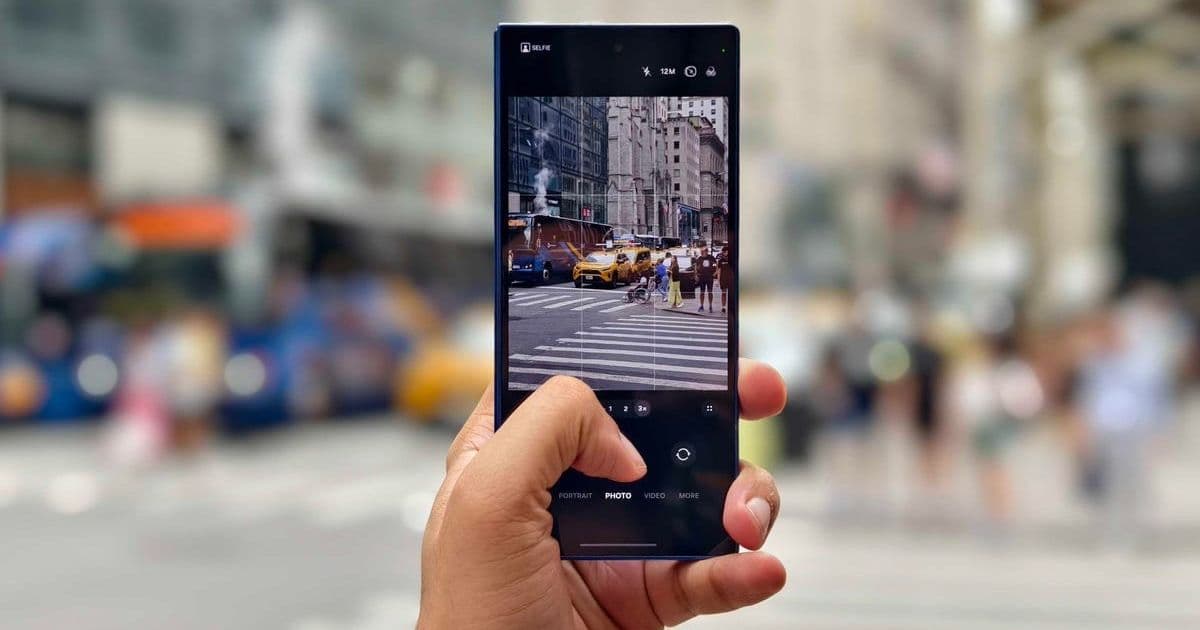
After a week of rigorous testing in New York City, the Samsung Galaxy Z Fold 7 emerges as a paradigm shift in foldable design, boasting an ultra-thin profile, near-invisible crease, and flagship-grade camera. Despite battery constraints and a $2,000 price tag, it sets a new benchmark for productivity-focused devices, challenging rivals with its polished hardware and intuitive software.
When Samsung unveiled the Galaxy Z Fold 7, it wasn't just another iterative update—it was a statement. As a tech journalist who's tested every major foldable since 2020, I approached this device with measured skepticism. Could Samsung finally silence critics who claimed Chinese rivals like Oppo and Honor had outpaced it in innovation? After seven days of real-world use across the chaos of New York City, the answer is a resounding yes. The Z Fold 7 isn’t just competitive; it redefines what a foldable can be, blending form and function in ways that left me questioning whether traditional slabs like the iPhone 16 Pro Max still make sense for power users.
The Hardware Revolution: Thin, Light, and Uncompromising
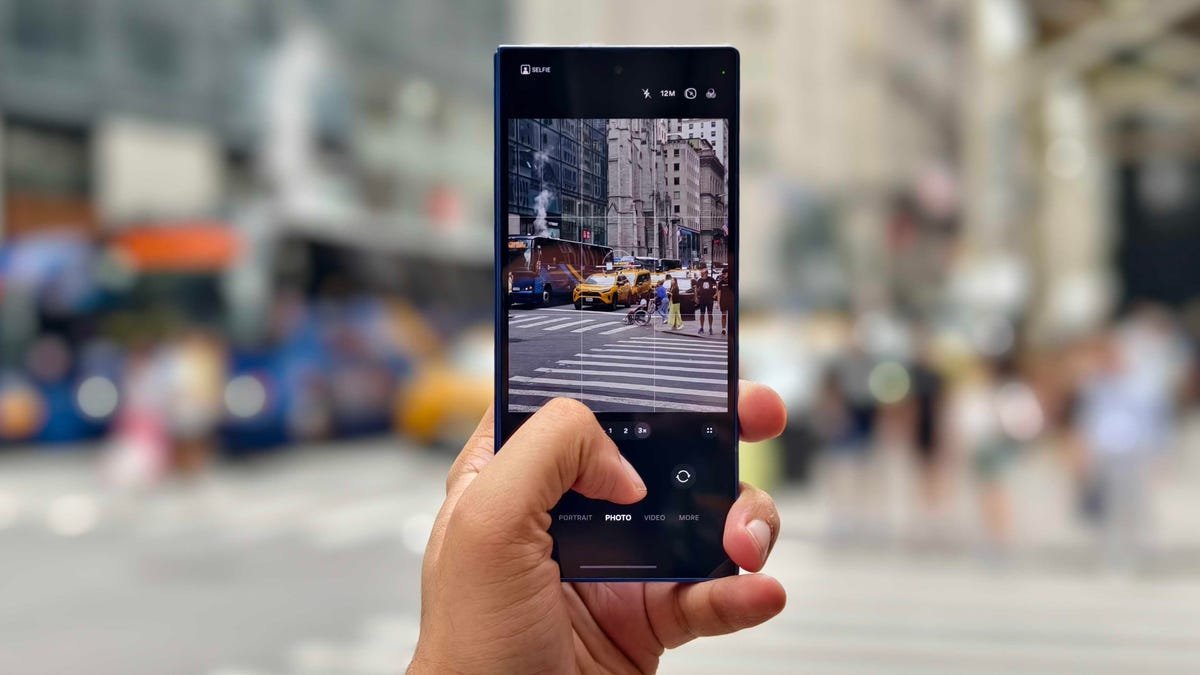
At 4.2mm thin when unfolded and weighing just 215 grams, the Z Fold 7 is the lightest book-style foldable on the market—a full 10% slimmer than Oppo’s Find N5 and noticeably leaner than last year’s Fold 6. This isn’t mere aesthetics; it’s ergonomic engineering. The wider 6.5-inch cover screen now adopts a 21:9 aspect ratio, making one-handed texting and navigation feel natural rather than cramped. For developers, this signals a win: apps render predictably without the janky scaling that plagued earlier narrow displays. Durability sees major upgrades too, with Gorilla Glass Victus Ceramic 2 shielding the exterior and a titanium plate reinforcing the inner display, all wrapped in an IP48 rating for dust and water resistance.
The Display: Where the Magic (and Lack of Crease) Happens
Unfolding the Z Fold 7 reveals its crowning achievement: an 8-inch LTPO AMOLED panel with a virtually invisible crease. Samsung’s new butterfly hinge mechanism eliminates the notorious 'ditch' that distracted users on previous models—outperforming even the Vivo X Fold 5. While I lament the removal of the under-display camera (replaced by a 10MP punch-hole lens), the trade-off is justified. The screen is brighter, more color-accurate, and supports HDR10+, making it ideal for coding marathons or multitasking between Slack and Figma. As Prakhar Khanna notes in his ZDNET review: 'It’s the most comfortable folding screen I’ve used, with no compromises in visibility under sunlight.'
AI, Performance, and Camera: Power Meets Polish
Under the hood, the Snapdragon 8 Elite chip and 12GB/16GB RAM options ensure buttery-smooth performance in Android 16’s One UI 8. Samsung’s Galaxy AI suite shines here, with features like 'AI Select' allowing contextual actions (e.g., transcribing audio from a screenshot) that feel genuinely useful—not gimmicky. The camera system, finally borrowed from the S25 Ultra, includes a 200MP main sensor. Shots are vibrant and detailed, though the 3x telephoto lens disappoints in low light. For developers building camera-centric apps, the 200MP mode’s cropping flexibility is a boon, but Samsung’s clunky lens-switching UI needs refinement.

The Catch: Battery Life and Market Realities
The 4,400mAh battery—unchanged since the Fold 3—is the Achilles’ heel. Heavy users (9+ hours of screen time) will need a top-up by late afternoon, and 25W charging feels archaic next to rivals with 65W+ solutions. Yet, this flaw is overshadowed by the Z Fold 7’s triumphs. At $2,000, it’s an investment, but one that justifies its cost with U.S.-friendly software support and a design that makes every rival feel outdated. For tech leaders, this device signals a maturation in foldables: no longer niche experiments, but viable productivity engines.
In a landscape cluttered with incremental upgrades, the Z Fold 7 stands apart. It’s not just a better foldable; it’s a blueprint for the future—proving that when hardware innovation meets thoughtful software, even the most stubborn skeptics can be won over. As foldables inch toward mainstream adoption, Samsung has just raised the bar.
Source: ZDNET
Comments
Please log in or register to join the discussion