Samsung has issued an emergency patch for a critical zero-day vulnerability (CVE-2025-21043) in its image processing library, allowing remote code execution on Android devices. Discovered by Meta and WhatsApp security teams and already exploited in the wild, this flaw impacts Android 13 through 16. Users must install the September security update immediately to prevent potential device takeover.
Samsung smartphone owners face an urgent security threat as the company rushes to patch CVE-2025-21043—a critical zero-day vulnerability actively weaponized by attackers. The flaw resides in libimagecodec.quram.so, an image parsing library developed by Quramsoft and embedded in Samsung's Android ecosystem. Rated 8.8 (Critical) on the CVSS scale, this out-of-bounds write vulnerability enables remote attackers to execute arbitrary code simply by tricking users into processing a malicious image file—no user interaction required beyond viewing the image.
The Anatomy of an Emergency Patch
Meta and WhatsApp's security teams privately disclosed the exploit to Samsung on August 13, 2025, warning that attacks were already occurring in the wild. The vulnerability affects Android versions 13, 14, 15, and 16, covering virtually all modern Samsung Galaxy devices. While Samsung hasn't released a full device list, the library's deep integration suggests broad impact across its smartphone portfolio.
"This vulnerability allows remote attackers to execute arbitrary code via maliciously crafted image files," Samsung's advisory states. "Users should apply the September 2025 security update immediately."
This isn't the first security incident involving Samsung's image processing: CVE-2020-8899 exploited similar weaknesses to enable MMS-based remote code execution. The recurrence highlights persistent risks in low-level media handling components—often overlooked attack surfaces that threat actors aggressively target.
Connections to Broader Threats
Security analysts note alarming parallels to Apple's CVE-2025-43300, a memory corruption flaw patched in August. WhatsApp confirmed threat actors chained that vulnerability with an unrelated URL processing bug to compromise iPhones in "sophisticated targeted attacks." While unconfirmed for CVE-2025-21043, the identical attack vector (image parsing) and WhatsApp's involvement suggest similar exploit chains could emerge.
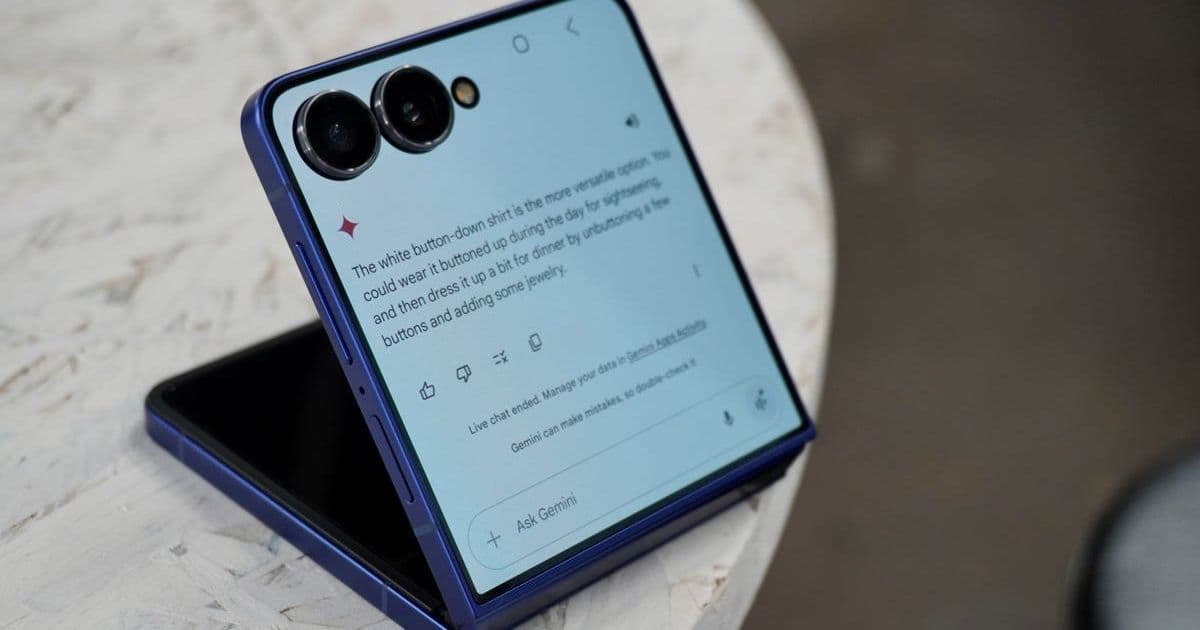
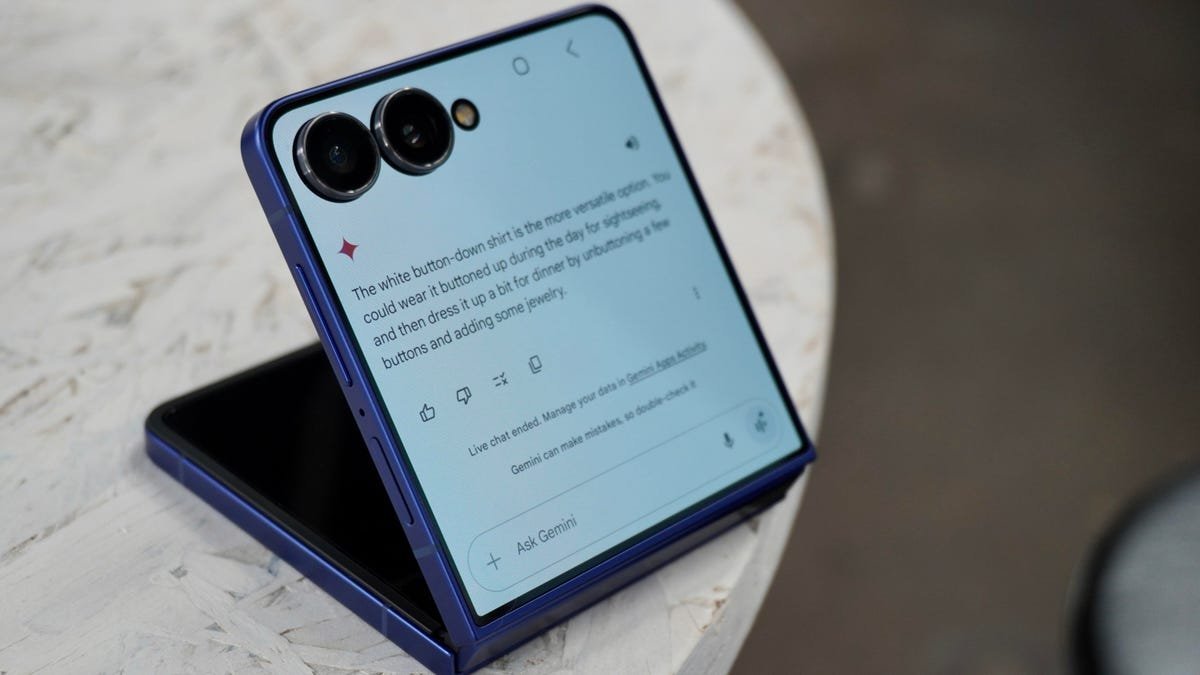
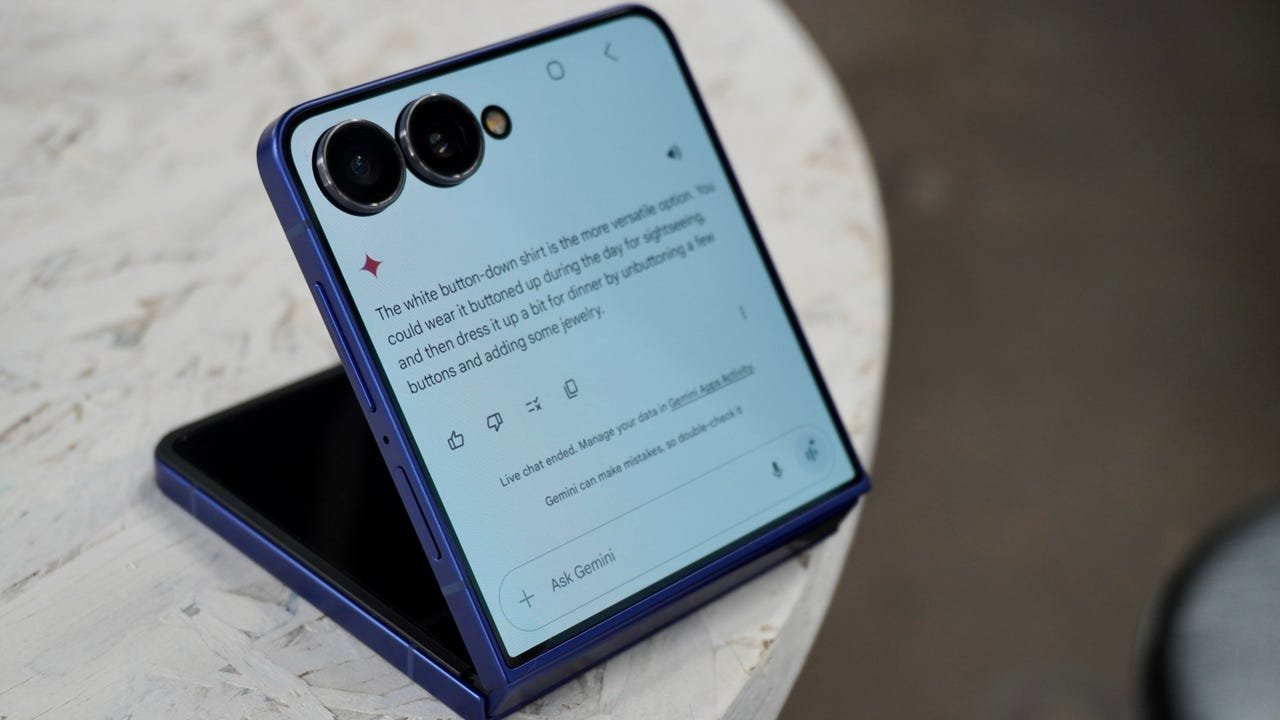 Samsung Galaxy devices require immediate patching (Image: Sabrina Ortiz/ZDNET)
Why Developers Should Care
For engineers, this incident underscores three critical lessons:
- Third-party library risks: Even vendor-provided components (like Quramsoft's library) introduce supply chain threats
- Silent exploitation vectors: Image parsing occurs constantly—in messaging apps, browsers, and galleries—creating a vast attack surface
- Patch velocity gaps: The 35-day disclosure-to-patch window gave attackers prolonged exploitation opportunities
Android's fragmented update ecosystem compounds the danger. While Samsung rapidly issued fixes, carriers and users often delay installations. Google's "Silent Updates" feature—which automates security patches without reboots—remains disabled by default, leaving millions vulnerable.
The Bottom Line: Patch Now
With active exploits confirmed, Samsung users should navigate to Settings > Software Update immediately. Delaying installation risks device compromise via poisoned images delivered through messaging, email, or malicious websites. For security teams, this zero-day reinforces the non-negotiable mandate: automate patches, scrutinize third-party dependencies, and treat media parsing as critical infrastructure.
As mobile threats evolve beyond phishing to weaponized content processing, vigilance against these "invisible payloads" becomes the frontline defense. Samsung's patch closes one door—but the battle for secure image handling continues.
Comments
Please log in or register to join the discussion