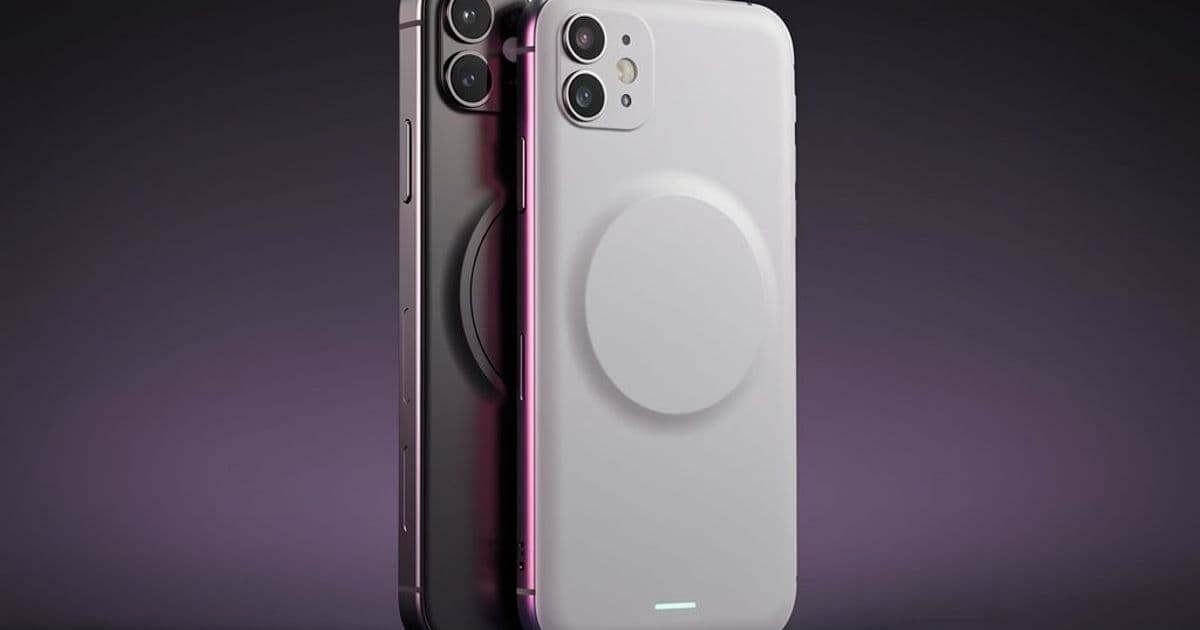
A leaked Qi2 power bank designed for the Galaxy S26 series reveals Samsung's move toward magnetic wireless charging, mirroring Apple's MagSafe ecosystem with a 15W wireless and 20W wired charging capability.
The first concrete evidence of Samsung's embrace of Qi2 magnetic charging has surfaced through a leaked power bank designed for the upcoming Galaxy S26 series. The device, identified by model number EB-U2500, appears to be Samsung's answer to Apple's MagSafe ecosystem, bringing standardized magnetic alignment to Android wireless charging for the first time.
The Leaked Power Bank Details
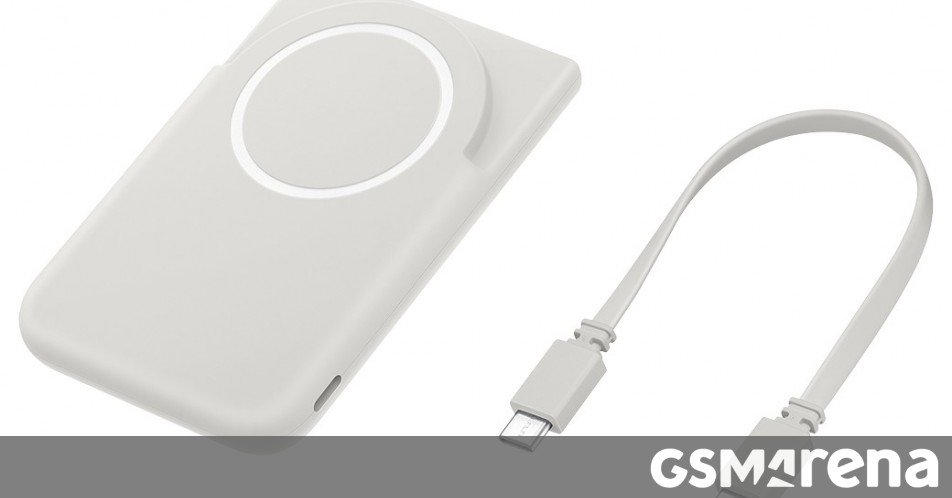
The EB-U2500 power bank supports wireless charging at up to 15W, which aligns with the Qi2 specification's baseline power delivery. For comparison, current Samsung wireless chargers typically deliver 10W to 15W depending on the device, but the magnetic alignment should improve efficiency by ensuring perfect coil positioning. The power bank also offers wired charging via USB-C at up to 20W, supporting both USB Power Delivery (USB-PD) and Qualcomm Quick Charge protocols.
The device itself charges at 25W, suggesting it can be replenished relatively quickly. Design-wise, it features a fold-out kickstand—a practical addition for video calls or media consumption while charging—and a magnetic ring for secure attachment to compatible phones. LED indicators show battery level, and a side button likely controls power output or pairing.
Pricing is expected to be €59.90 in the Eurozone, positioning it as a premium accessory. The timing suggests it will launch alongside the Galaxy S26 family, potentially as early as next month according to rumors.
What Qi2 Means for Samsung and Android
Qi2 represents a significant evolution in wireless charging standards. Developed by the Wireless Power Consortium (WPC), Qi2 incorporates Magnetic Power Profile (MPP) technology, which uses magnets for precise alignment—similar to Apple's MagSafe but as an open standard. This addresses a major pain point of traditional Qi charging: the need to find the sweet spot on the charging pad.
For Samsung, adopting Qi2 means several things:
Ecosystem Standardization: Instead of creating a proprietary magnetic charging system, Samsung joins an industry-wide standard. This reduces fragmentation and allows third-party accessories to work seamlessly.
Improved User Experience: Magnetic alignment ensures consistent charging speeds and reduces heat generation from misaligned coils. Users won't need to fiddle with phone positioning.
Accessory Compatibility: The power bank should work with any Qi2-certified device, not just Samsung phones. This includes future Android phones from other manufacturers adopting the standard.
Competitive Positioning: With Apple's MagSafe ecosystem well-established, Qi2 gives Android manufacturers a unified counter to Apple's magnetic accessory market.
Galaxy S26 Implications
While the power bank leak focuses on the accessory, it strongly implies that the Galaxy S26 series will support Qi2 magnetic charging. This would be a notable shift for Samsung's flagship line. Currently, Samsung phones support wireless charging but lack magnetic alignment.
The move could influence several aspects of the Galaxy S26 design:
- Hardware Changes: The phones would need integrated magnetic arrays, potentially affecting internal component layout and battery placement.
- Case Design: Existing cases might interfere with magnetic attachment, requiring new case designs with magnetic rings or cutouts.
- Accessory Ecosystem: Samsung could launch a range of magnetic accessories—car mounts, wallets, stands—similar to Apple's MagSafe lineup.
- Charging Speeds: While the power bank supports 15W wireless, the Galaxy S26's actual charging speed might differ. Samsung has historically been conservative with wireless charging speeds, likely due to thermal management concerns.
Trade-offs and Considerations
Magnetic charging isn't without drawbacks. The magnets add weight and thickness to devices. There are also concerns about magnetic interference with other electronics, though Qi2 certification includes safety standards. For power banks, the magnetic attachment adds complexity and cost compared to standard Qi pads.
Battery life could be affected if the magnetic array consumes power when not charging, though this is likely minimal. More importantly, the 15W wireless charging speed remains slower than wired options, which is typical for wireless charging technology.
Ecosystem Lock-in Concerns
While Qi2 is an open standard, manufacturers can still create proprietary extensions. Samsung might add features that only work with its own accessories, creating a semi-closed ecosystem. However, the base Qi2 functionality should ensure cross-compatibility.
This contrasts with Apple's approach, where MagSafe accessories often require Apple's MFi certification for full functionality. Samsung's implementation will be watched closely to see if it embraces true openness or creates its own walled garden.
Market Context
The timing is strategic. With Apple's MagSafe ecosystem mature and competitors like Anker and Belkin offering Qi2 accessories, Samsung's entry could accelerate adoption. If the Galaxy S26 series successfully implements Qi2, it could push other Android manufacturers to follow suit, making magnetic wireless charging a standard feature across the industry.
For consumers, this means more choice and better accessories. The €59.90 price point for Samsung's power bank is competitive with similar MagSafe power banks, which often cost $70-90.
What to Expect Next
As the Galaxy S26 launch approaches, we should see more details about:
- The exact Qi2 implementation in Samsung's phones
- A full range of magnetic accessories Samsung might offer
- Third-party accessory support from brands like Spigen, ESR, and Belkin
- Potential software features that leverage the magnetic attachment
The leak of this power bank is just one piece of the puzzle, but it's a significant one. It confirms that Samsung is serious about magnetic charging and suggests the Galaxy S26 series will represent a meaningful shift in how Samsung approaches wireless charging and accessory ecosystems.
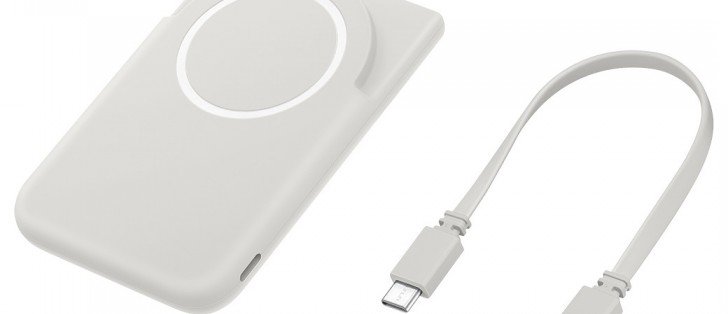
For users considering the Galaxy S26, this means thinking about magnetic accessories as part of the purchase decision. The power bank's kickstand design and magnetic attachment could make it particularly useful for travel or daily use, especially if you're already invested in Samsung's ecosystem.
The broader implication is that wireless charging is evolving from a convenience feature to a more integrated part of the mobile experience. With magnetic alignment, wireless charging becomes reliable enough to depend on, potentially reducing reliance on wired charging for many users.
As always with leaks, we should treat these details as preliminary until Samsung's official announcement. But if accurate, the EB-U2500 power bank leak gives us a clear glimpse of Samsung's magnetic charging future—one that aligns with industry standards while potentially offering Samsung-specific enhancements.
The next month will be telling. If Samsung does launch the Galaxy S26 with Qi2 support, it will mark a significant milestone for Android wireless charging and could reshape the accessory landscape for years to come.
Comments
Please log in or register to join the discussion