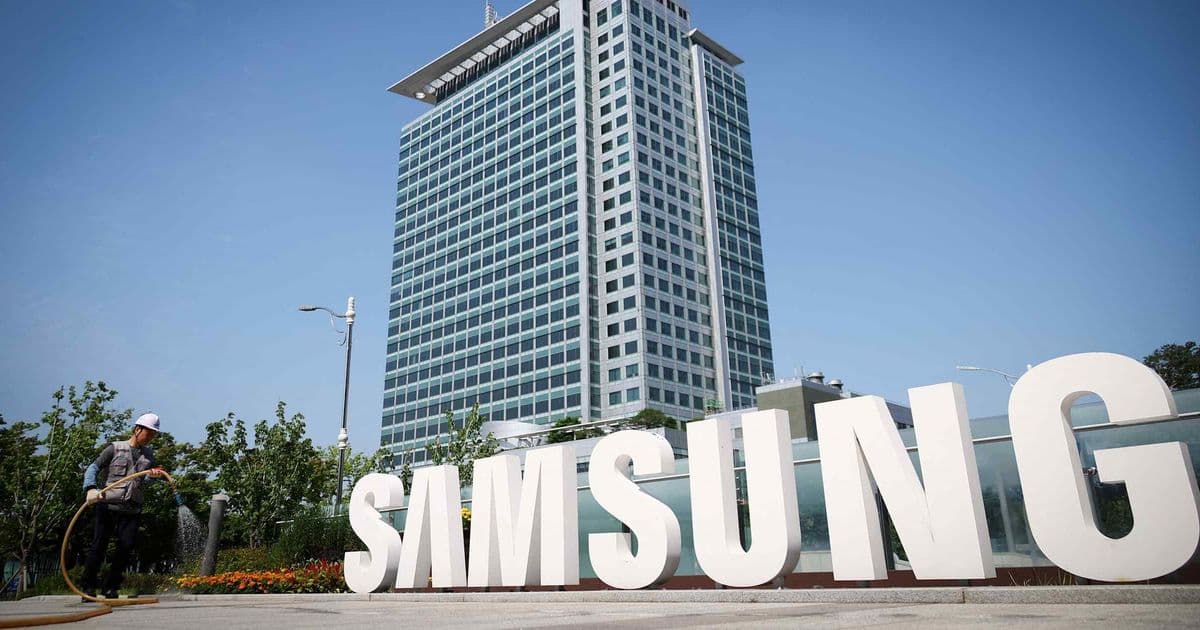
Samsung Electronics' union will begin an 18-day strike Thursday after mediation efforts failed, creating uncertainty in the already strained memory chip market while the company benefits from artificial intelligence-driven profits.
Samsung Electronics' union confirmed on Wednesday that its members will proceed with a full-scale, 18-day strike starting Thursday following the collapse of negotiations with management over employee bonus payments. The strike comes at a critical time for the South Korean tech giant, which is experiencing significant profit growth from artificial intelligence technologies while facing a deepening shortage in the memory chip market.
The dispute centers on compensation packages for Samsung employees, particularly bonus distributions that the union argues should better reflect the company's record earnings. This tension occurs as Samsung capitalizes on the AI boom, which has driven unprecedented demand for high-performance memory chips used in data centers and AI accelerators.
Market analysts estimate that Samsung's memory chip division has seen profit margins expand by approximately 15-20% in the last quarter alone, primarily due to AI-related demand. However, union representatives claim that these gains are not being adequately shared with the workforce responsible for producing these critical components.
The timing of the strike couldn't be more problematic for global supply chains. The memory chip market, already experiencing a supply crunch that has impacted prices across multiple sectors, now faces potential production disruptions. Samsung accounts for approximately 43% of the global DRAM market and 31% of the NAND flash market, according to industry research from TrendForce.
"Samsung's production capacity is critical to the global semiconductor ecosystem," said Park Min-jun, a semiconductor analyst at Kiwoom Securities. "Any prolonged disruption could exacerbate existing shortages and potentially impact prices for memory chips used in everything from smartphones to data centers."
The strike follows months of unsuccessful negotiations between Samsung's management and the union, which represents approximately 28,000 employees. The union had initially requested a 6.5% wage increase and improved bonus structures, while management offered a more modest 3.2% raise with performance-based bonuses.
What makes this dispute particularly noteworthy is the contrast between Samsung's financial performance and its compensation policies. While competitors like SK Hynix have recently announced significant profit-sharing initiatives, Samsung has maintained a more conservative approach to employee compensation despite its strong financial position.
The company's first-quarter 2026 results showed operating profits of 10.3 trillion Korean won (approximately $7.6 billion), with the memory chip division contributing nearly 60% of that total. This represents a 45% increase year-over-year, driven primarily by AI-related demand for high-bandwidth memory (HBM) products.
From a strategic perspective, the strike highlights growing tensions between tech companies and their workforces amid rapid technological transformation. As AI continues to drive unprecedented growth in the semiconductor industry, companies face increasing pressure to balance shareholder returns with employee compensation.
The potential impact extends beyond Samsung's immediate operations. The memory chip shortage has already affected various industries, including automotive, consumer electronics, and cloud computing service providers. A prolonged strike could lead to:
- Further price increases for memory components
- Production delays for devices reliant on Samsung chips
- Supply chain adjustments as manufacturers seek alternative suppliers
- Potential market share shifts if competitors can capitalize on Samsung's production constraints
Industry observers will be watching closely to see how Samsung responds to the strike. The company has historically maintained a relatively hardline stance in labor negotiations, but the current market conditions and the strategic importance of memory chips may force a more flexible approach.
The strike also comes amid broader discussions about wealth distribution in South Korea's tech sector, where companies like Samsung have amassed significant profits while workers in other sectors face economic challenges. This has led to increased scrutiny of compensation practices and calls for more equitable profit-sharing models.
As the semiconductor industry continues to evolve amid rapid AI adoption, the Samsung strike represents a critical moment in the relationship between tech companies and their workforces. The outcome could set precedents for how future labor negotiations are conducted in an industry increasingly defined by artificial intelligence and advanced semiconductor technologies.
For now, global supply chains remain on alert as the 18-day strike commences, with industry participants hoping for a resolution that addresses the union's concerns while maintaining production stability in a market already under significant pressure.
Comments
Please log in or register to join the discussion