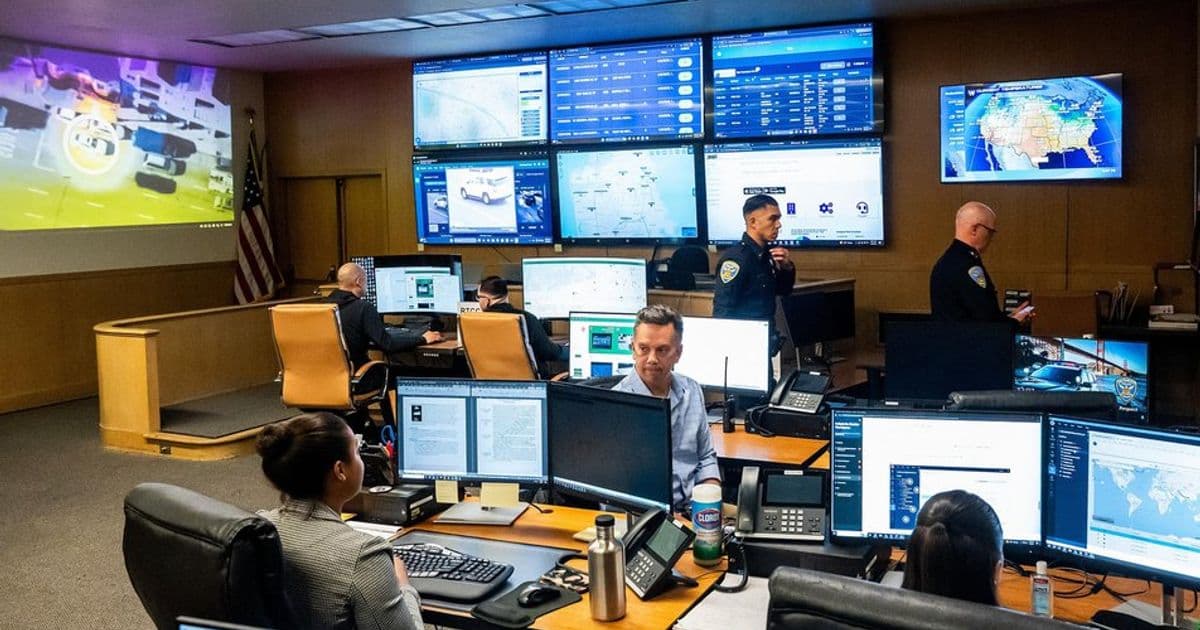
San Francisco has transformed from a city that pioneered bans on police surveillance technology to becoming a laboratory for drone monitoring, with SFPD drone flights increasing from 93 to 700 per month in just one year.
San Francisco's relationship with police surveillance technology has undergone a dramatic reversal over the past decade. Once a pioneer in restricting law enforcement's use of invasive monitoring tools, the city now finds itself at the center of an expanding drone surveillance program that has grown exponentially in recent months.
The numbers tell a striking story. In February 2025, San Francisco police recorded 93 drone flights. By March 2026, that figure had skyrocketed to 700 flights per month - a nearly eightfold increase in just one year. This surge comes despite the city's reputation for early resistance to surveillance technology.
In 2019, the San Francisco Board of Supervisors passed groundbreaking legislation that made the city the first major U.S. metropolitan area to block law enforcement's use of facial recognition technology. The move was celebrated by privacy advocates and seen as a model for other jurisdictions concerned about the erosion of civil liberties in the digital age.
However, the landscape has shifted considerably since then. While facial recognition remains restricted, police departments across the country have increasingly turned to drone technology as a cost-effective and versatile tool for various operations. Drones offer capabilities ranging from search and rescue missions to crime scene documentation, crowd monitoring, and tactical support during active incidents.
The expansion of drone use in San Francisco reflects broader national trends. Law enforcement agencies have embraced unmanned aerial vehicles as they become more sophisticated, affordable, and easier to deploy. Modern police drones can be equipped with high-resolution cameras, thermal imaging, and even less-lethal weapons, making them attractive to departments seeking to enhance their operational capabilities.
Privacy advocates and civil rights organizations have expressed concern about the rapid growth of drone surveillance. They argue that the technology, while useful for legitimate purposes, can be easily misused to conduct mass surveillance, track individuals without warrants, or create detailed records of people's movements and activities. The lack of clear regulations governing drone use by police departments in many jurisdictions has compounded these worries.
San Francisco's experience highlights the tension between public safety needs and privacy protections. The city's initial resistance to surveillance technology was driven by concerns about racial profiling, chilling effects on free speech and assembly, and the potential for abuse by law enforcement. Yet the practical benefits of drone technology - particularly in emergency response situations - have proven difficult to ignore.
The dramatic increase in drone flights also raises questions about oversight and accountability. While the 2019 facial recognition ban represented a clear policy stance, the regulatory framework for drone use remains less defined. Police departments typically operate under internal policies rather than comprehensive external regulations, leaving significant discretion in how and when drones are deployed.
This situation mirrors what's happening in other major cities across the United States. Departments in New York, Los Angeles, Chicago, and elsewhere have expanded their drone programs, often citing improved public safety outcomes and cost savings compared to traditional aerial surveillance methods like helicopters.
The transformation of San Francisco from surveillance technology opponent to drone surveillance laboratory illustrates how quickly the balance between security and privacy can shift. What began as a principled stand against facial recognition has evolved into a more complex reality where certain forms of surveillance technology have become normalized, even in jurisdictions once considered hostile to such tools.
As drone technology continues to advance and become more integrated into law enforcement operations, cities like San Francisco will likely face ongoing debates about the appropriate limits of surveillance. The challenge will be finding ways to harness the benefits of these tools while maintaining adequate protections for civil liberties and preventing their misuse.
The 700 monthly drone flights in San Francisco represent not just a technological trend, but a fundamental shift in how cities approach public safety and privacy in the digital age. Whether this represents a necessary evolution in policing or a troubling expansion of surveillance capabilities remains a subject of intense debate among residents, policymakers, and civil rights advocates.
Comments
Please log in or register to join the discussion