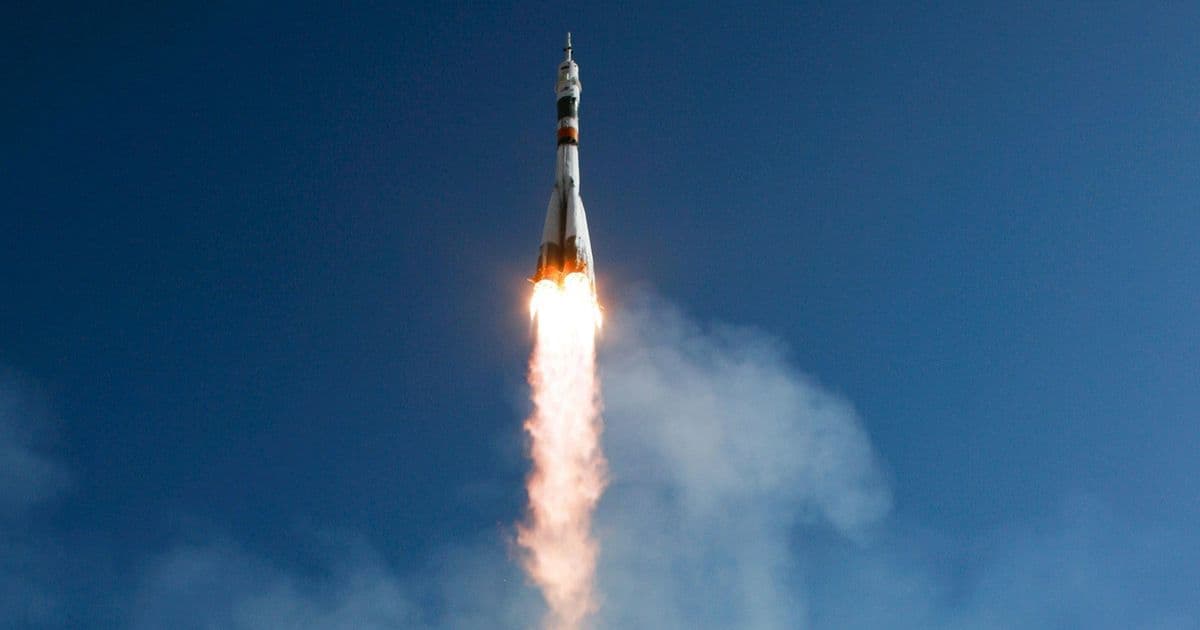
The rapid growth of satellite mega-constellations is creating unexpected atmospheric pollution through atmospheric reentry burn-ups, releasing metals and chemicals that damage the ozone layer and alter Earth's atmosphere.
The space industry is experiencing unprecedented growth, with satellite launches increasing dramatically as mega-constellations expand to provide global internet, communications, navigation, and Earth observation services. However, this technological boom comes with an unexpected environmental cost that scientists are only beginning to understand.
The Scale of the Problem
Hundreds of satellites are launched into orbit every year, with thousands currently circling Earth. These satellites typically operate for 5-15 years before reaching the end of their operational life. At that point, they undergo a process called atmospheric reentry, where they are deliberately guided back into Earth's atmosphere.
The reentry process subjects satellites to extreme temperatures of thousands of degrees Celsius, causing them to burn up and disintegrate completely. While this might seem like a clean disposal method, new research reveals that the burning material creates significant atmospheric pollution.
Chemical Fallout from Space
When satellites burn up during reentry, they release various metal particles and chemical compounds into the middle atmosphere. The composition of these emissions depends on the materials used in satellite construction:
- Aluminum: Forms alumina particles that remain suspended in the middle atmosphere for extended periods
- Black carbon soot: Produced by rocket engines using hydrocarbon fuels
- Exotic metals: Copper, lithium, and other specialized materials have been detected in atmospheric samples
These substances don't simply disappear. Instead, they accumulate in the atmosphere, where they can persist for years or even decades.
Atmospheric Impact
The released chemicals can affect multiple layers of Earth's atmosphere:
- Ozone layer damage: Certain compounds can catalyze reactions that break down ozone molecules
- Stratospheric heating: Particles can absorb and re-emit radiation, altering temperature profiles
- Polar atmosphere changes: Chemical interactions can affect atmospheric circulation patterns
Scientists are particularly concerned about the cumulative effects of these emissions as the number of satellites continues to grow exponentially.
The Debris Question
Beyond atmospheric pollution, there's also the risk of debris surviving reentry and reaching Earth's surface. While most satellites completely burn up, some components may survive and fall to the ground, creating potential hazards for populated areas.
Sustainable Solutions
Researchers and space agencies are exploring alternatives to the current practice of burning satellites. One promising approach involves recycling and reusing materials from deorbited satellites rather than allowing them to burn up.
The European Space Agency is developing the ClearSpace-1 mission, which aims to capture space debris and safely remove it from orbit. This technology could potentially recover valuable materials for reuse, creating a more sustainable space economy.
Economic Considerations
Recovered materials from satellites have proven to be valuable, potentially generating revenue that could offset the costs of debris removal and recycling operations. This economic incentive could drive the development of circular space technologies.
The Path Forward
Humanity now faces a critical choice: continue with current practices that prioritize rapid satellite deployment, or invest in building a sustainable circular space environment that minimizes atmospheric pollution and maximizes resource recovery.
The decisions made in the coming years will determine whether space expansion becomes a source of environmental degradation or a model for sustainable technological development.
As satellite mega-constellations continue to expand, the need for comprehensive environmental impact assessments and sustainable space practices becomes increasingly urgent. The hidden costs of atmospheric pollution may ultimately prove to be one of the most significant challenges facing the space industry in the 21st century.
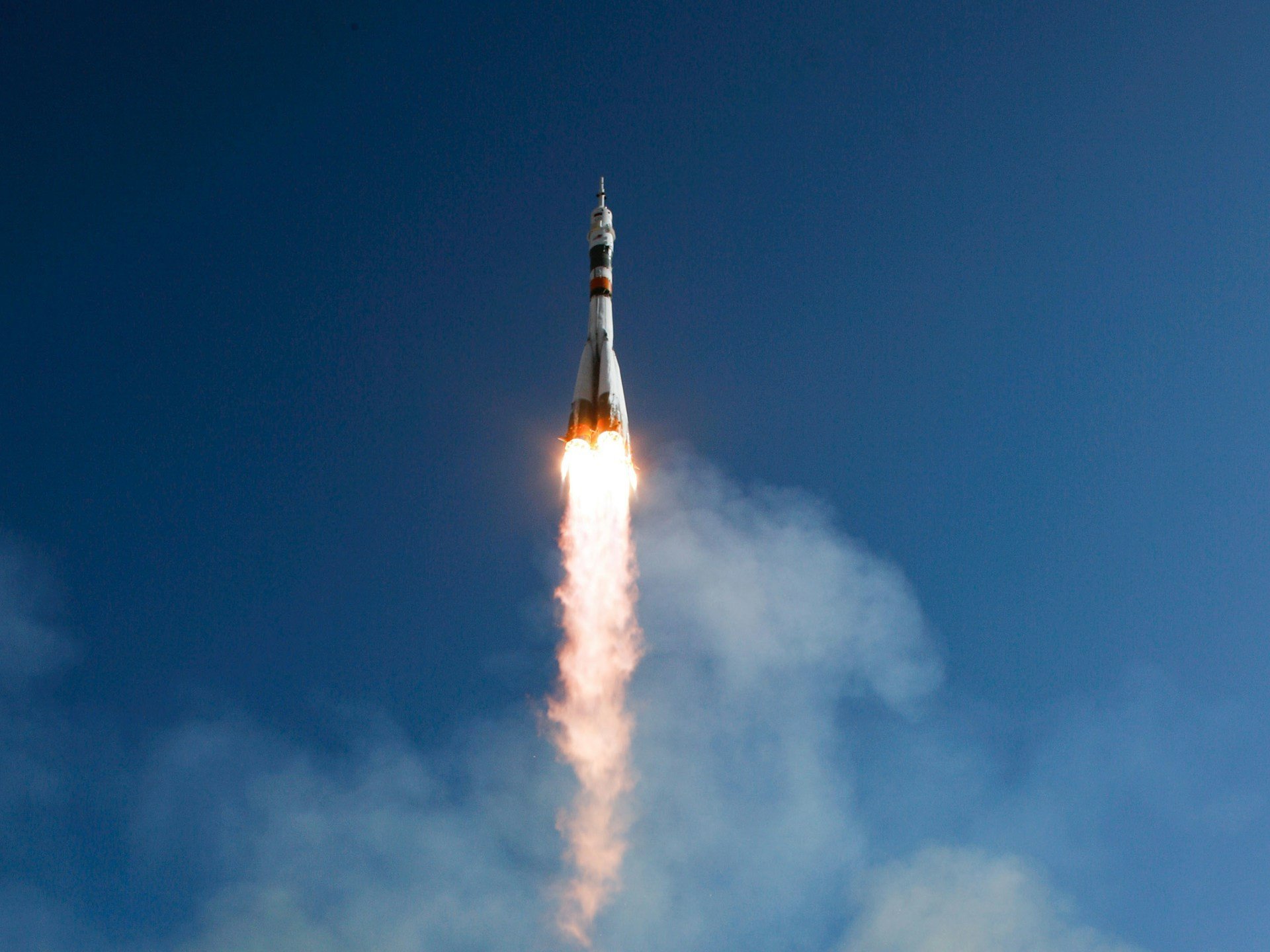
The featured image shows a Soyuz TMA-16 launch from the Baikonur Cosmodrome in Kazakhstan in 2009, illustrating the dramatic scale of rocket launches that contribute to atmospheric changes. As we continue to launch hundreds of satellites annually, understanding and mitigating their environmental impact becomes crucial for maintaining Earth's atmospheric health.
Comments
Please log in or register to join the discussion