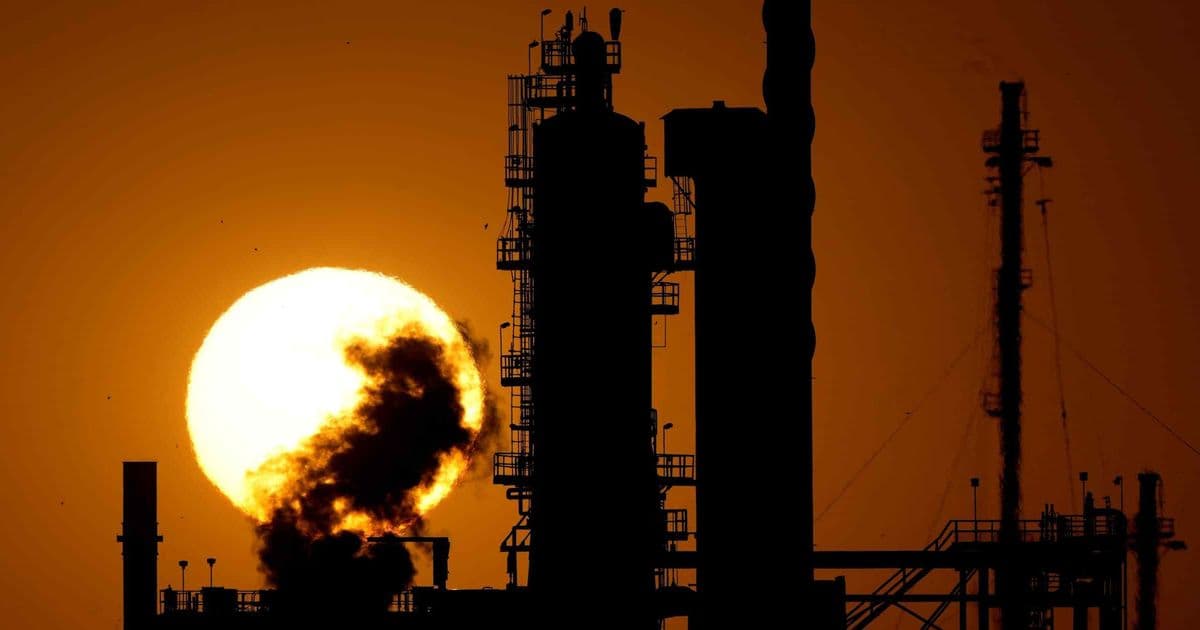
Advanced satellite monitoring systems are revealing significant methane underreporting across Asia's energy and agricultural sectors, intensifying pressure on governments like India to address emissions despite economic constraints.
New satellite technologies including TROPOMI, GHGSat, and MethaneSAT are transforming methane emission tracking by detecting atmospheric concentrations at facility-level precision. According to a peer-reviewed 2025 University of Calgary study, these systems capture actual emissions rather than relying on self-reported estimates, revealing discrepancies in traditional "bottom-up" accounting methods. Where conventional inventories assume normal operations, satellites identify super-emitter events, unreported facilities, and chronic leaks invisible to paper-based systems.
Methane's climate impact makes this technological shift particularly consequential. Though shorter-lived than CO₂, methane traps 84 times more heat over 20-year periods according to EPA data. This potency undermines natural gas's "clean energy transition" narrative when leaks occur across production and distribution networks.
India exemplifies the emerging accountability crisis. As the world's second-largest methane emitter after China with 859 million metric tons in 2024, its planned energy expansion conflicts with global climate goals. Coal capacity is targeted to grow to 307 GW by 2035 while natural gas's share in power generation aims to reach 15%—despite fossil fuels already contributing over one-third of national methane emissions. Crucially, India refused to join the Global Methane Pledge at COP26, citing economic risks to agriculture and livelihoods.
Satellite evidence complicates this position. The UNEP Methane Alert and Response System reports 90% of globally detected emission events receive no mitigation response. For India, the gap between observable plumes and official reports creates diplomatic vulnerability: Satellite-confirmed leaks could trigger financial penalties under frameworks like the EU's carbon border adjustment mechanism.
Technology alone cannot compel policy shifts—India's energy strategy prioritizes development needs, with coal still supplying 75% of electricity. However, real-time transparency fundamentally alters negotiations. As quantified emissions data replaces estimates, pressure mounts on governments to reconcile energy security with verifiable climate action. The satellites won't mandate change, but they remove plausible deniability for Asia's largest emitters.
Comments
Please log in or register to join the discussion