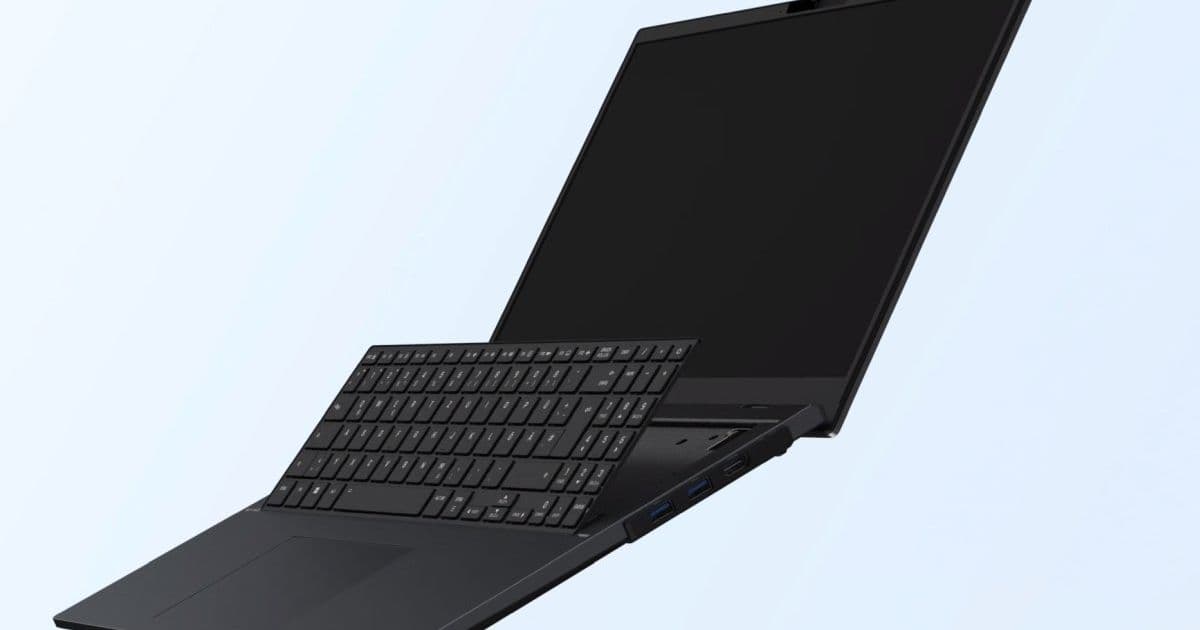
Schenker Technologies unveils the Element 16, a semi-modular laptop prototype featuring replaceable components including motherboards, ports, and keyboards, aiming to challenge industry repairability norms.
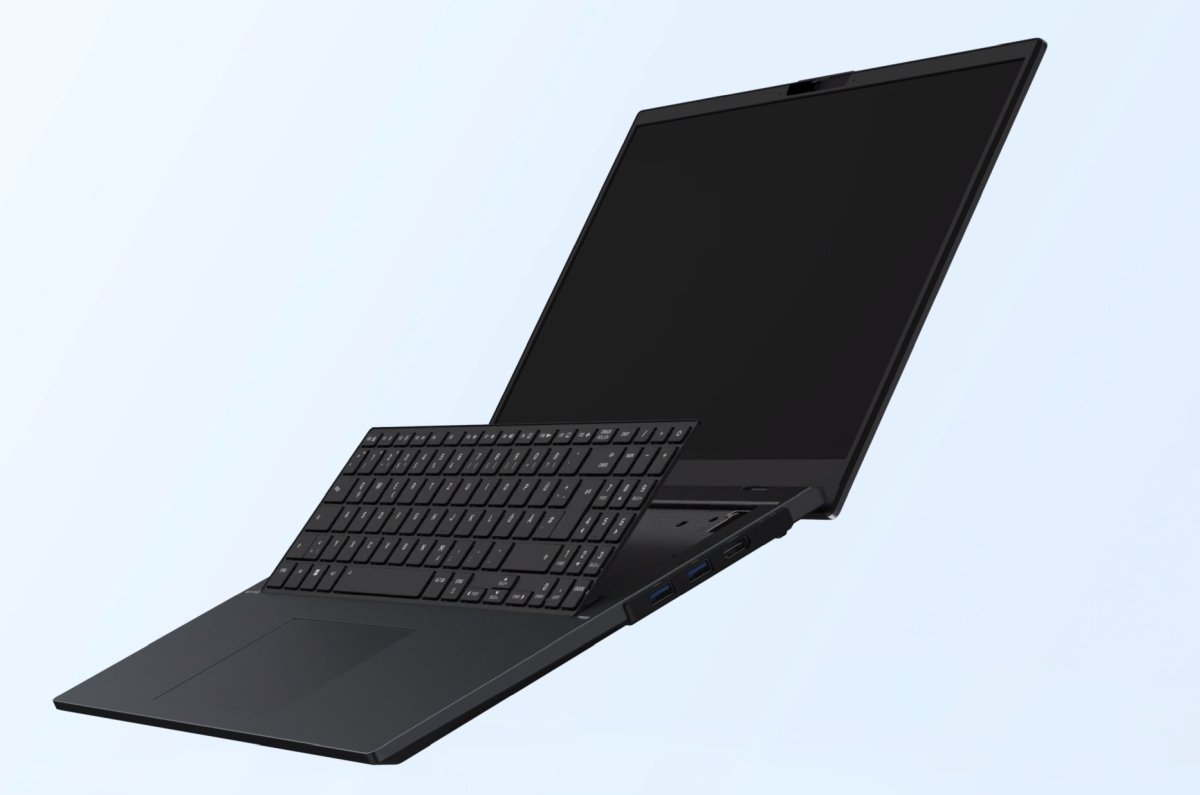
Laptop repairability has steadily declined over the past decade, with soldered RAM, non-replaceable batteries, and proprietary components becoming industry norms. Schenker Technologies challenges this trend with its Element 16 reference design – a "semi-modular" laptop developed with Intel and Pegatron that prioritizes user-serviceable components while targeting a Spring 2026 release.
Core Technical Architecture
At its heart, the Element 16 features an Intel Core Ultra 7 356H processor with integrated Arc graphics. While 16GB of DDR5-6400 RAM is soldered to the mainboard, Schenker includes a crucial SODIMM slot supporting up to 64GB of additional memory – a rarity in modern laptops where dual-channel configurations often require both slots. Storage is handled through a standard M.2 slot for user-upgradable SSDs.
The motherboard itself is designed as a replaceable module, theoretically allowing CPU upgrades in future iterations. Current documentation indicates Intel-exclusive compatibility, with no support for AMD or Qualcomm chipsets. This modular approach extends to peripheral components: The keyboard can be swapped between ANSI/ISO layouts or alternative key arrangements like Dvorak, while fans and batteries use standardized connectors for straightforward replacement.
Port Modularity System
Schenker implements a distinctive port architecture where entire I/O assemblies on both sides of the chassis are removable modules. Unlike Framework's swappable individual ports, this system replaces entire banks of ports simultaneously. Users could theoretically purchase alternate modules with different port combinations or simply relocate ports between sides – a practical solution for damaged connectors or workspace ergonomics.
Developer and Power User Implications
For developers maintaining cross-platform environments:
- Memory Flexibility: The SODIMM slot enables cost-effective RAM expansion when working with memory-intensive tools like Android emulators or Docker containers
- Keyboard Customization: Swappable keyboards accommodate international developers requiring different physical layouts
- Longevity Planning: Replaceable motherboards could extend device lifespan beyond typical 3-5 year upgrade cycles
- Repair Efficiency: Standardized components reduce downtime when replacing failed parts
Sustainability and Market Viability
The Element 16's success hinges on Schenker's long-term commitment to component availability – a challenge Framework addresses through its dedicated ecosystem. As a subsidiary of TUXEDO Computers offering diverse brands (Schenker/XMG), sustained support for this niche product remains unproven. Pricing details are pending, but availability through retailer Bestware suggests mainstream distribution.
This prototype demonstrates that pragmatic modularity in laptops is technically feasible without sacrificing performance. Its emergence signals growing manufacturer response to right-to-repair demands, potentially influencing broader industry practices if successfully commercialized. Developers seeking durable, adaptable workstations should monitor its Spring 2026 launch for real-world implementation.
Comments
Please log in or register to join the discussion