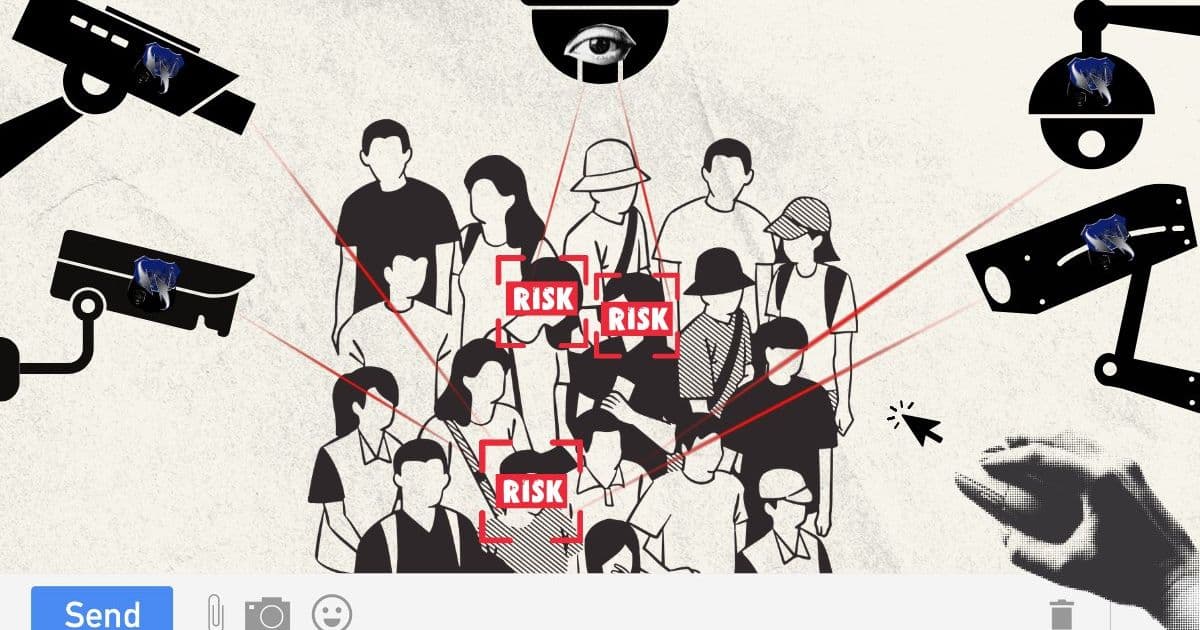
A deep dive into Seattle Shield, the little‑known intelligence‑sharing platform that links the Seattle Police Department with corporations, federal agencies and overseas partners, revealing how protest monitoring, traffic alerts and even private security concerns are funneled into a nationwide surveillance web.
Seattle Shield: How Amazon, Facebook, ICE and Others Join a Secret Police‑Private Intelligence Network
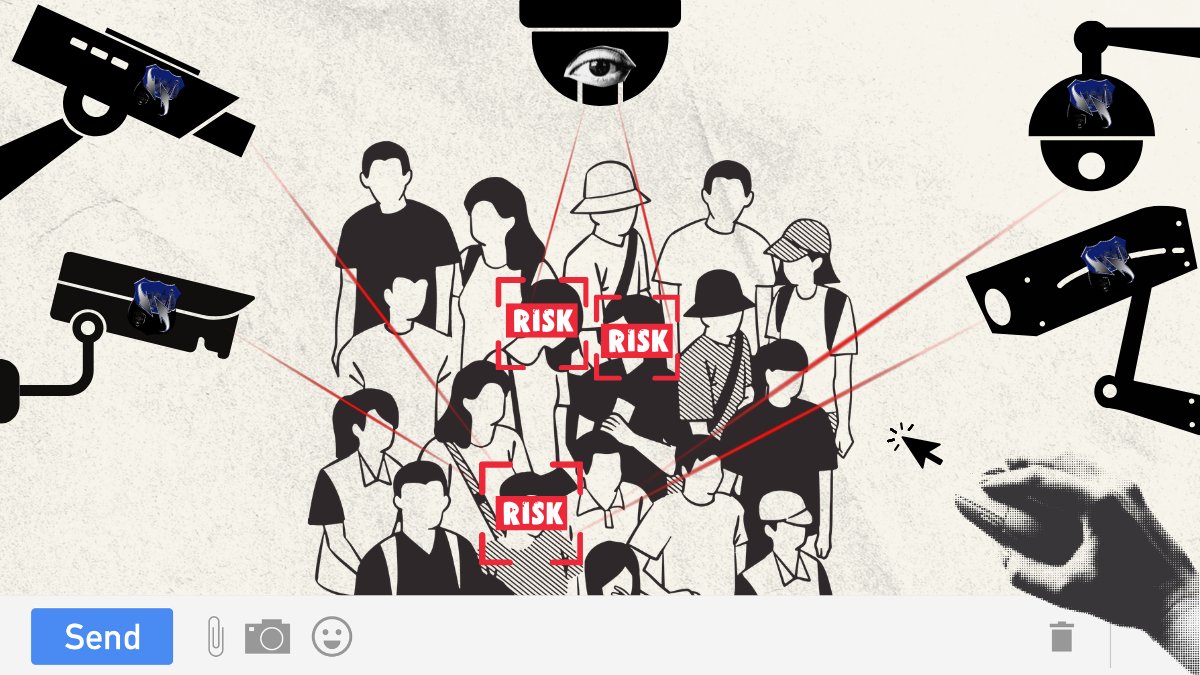
Seattle’s police force has been running a quiet, invitation‑only intelligence platform called Seattle Shield since 2009. The program promises to help the department “identify, deter, defeat or mitigate potential acts of terrorism,” but the bulk of the alerts that flow through it are about protests, traffic snarls and routine security concerns. What makes the network striking is the roster of members: Amazon, Meta’s Facebook, ICE, a host of private security firms, and even the United Nations’ own risk analyst.
Why the network matters
Seattle Shield is a local off‑shoot of the Global Shield Network (GSN), a loosely coordinated family of “Shield” programs that began with the NYPD’s post‑9/11 InfraGard‑style partnership. Each city runs its own version, funds it independently and decides who gets a login. In Seattle, the list includes:
- Corporate giants – Amazon’s security team, Facebook’s public‑policy analysts, and real‑estate management firms.
- Federal partners – FBI agents, a DHS surface‑program analyst, and analysts from the Washington State Fusion Center.
- Local law‑enforcement affiliates – Nassau County Police (NY), NYPD, Cleveland Transit, Hennepin County Sheriff’s Office, and a United Nations threat analyst.
- Non‑profits and cultural venues – Seattle Theatre Group, which says the network helps keep audiences safe.
The sheer breadth of participants blurs the line between public policing and private security, creating a shared database that can be accessed by anyone with a Shield credential. That raises two core questions: What is actually being shared, and who is overseeing it?
What the data looks like
Prism’s review of bulletins from 2020‑2025 shows a pattern:
| Year | Primary topics of alerts |
|---|---|
| 2020 | Black Lives Matter protests, crowd‑control concerns |
| 2021‑2023 | Traffic disruptions, large‑scale events, dignitary travel |
| 2024‑2025 | Protest‑related intelligence, “potential terrorist” language tied to the anniversary of the Oct. 7, 2023 Hamas‑Israel conflict |
A typical email blast from Oct. 6, 2025 warned members about “possible attacks on Jewish targets” and listed a recent graffiti incident at a tech‑CEO’s home. The same notice flagged upcoming protests, traffic detours and even suggested members check their own property for “projectile‑ready” items. The language mirrors the National Security Presidential Memorandum issued in late 2025, which treats certain protest speech as a possible terrorism indicator.
One March‑2025 report described a man claiming to be an electrical subcontractor trying to access Pike Place Market’s utility room. The alert included a photo and a description, but no police report was ever filed. The contractor later confirmed the individual was not on their roster, suggesting the alert was based on a single, unverified tip.
The accountability gap
Seattle Shield is described on the department’s website as an “unfunded program” managed by Officer Erin Nicholson. Yet the platform runs on a secure web portal maintained by ABM Security Services, which received a DHS grant to offset maintenance costs. The hosting provider, NetSentinel, suffered a breach in 2020 (the “BlueLeaks” incident), exposing member IPs, email addresses and contact details. Members were warned not to download the leaked data, but the breach illustrates how little transparency surrounds the system’s technical backbone.
No public audit or oversight board has been identified. The American Civil Liberties Union of Washington says it has not been tracking the program, and the Seattle Police Department declined to comment on Prism’s detailed requests. Even the FBI’s Seattle office offered only a generic statement about “partnerships” without confirming whether any Shield‑derived intelligence ever led to a terrorism arrest.
Counter‑arguments from insiders
Proponents argue that the network provides real‑time situational awareness for private venues and critical infrastructure. Rachel Liuzzi of Seattle Theatre Group says the information helps “keep our venues and audiences safe.” Virginia State Police Captain Austin White, who also serves as president of the GSN, notes that the network “helps give a sense of what members feel is a concern” and cites a 2017 case where a Shield connection expedited the location of a minor who made violent threats online.
These anecdotes suggest the platform can be useful in narrowly defined scenarios, especially when a private entity lacks its own intelligence capability. However, the same anecdotes also reveal a risk of mission creep: a protest against ICE could be logged, labeled as a potential terrorist threat, and then circulated to federal immigration agents.
The broader pattern
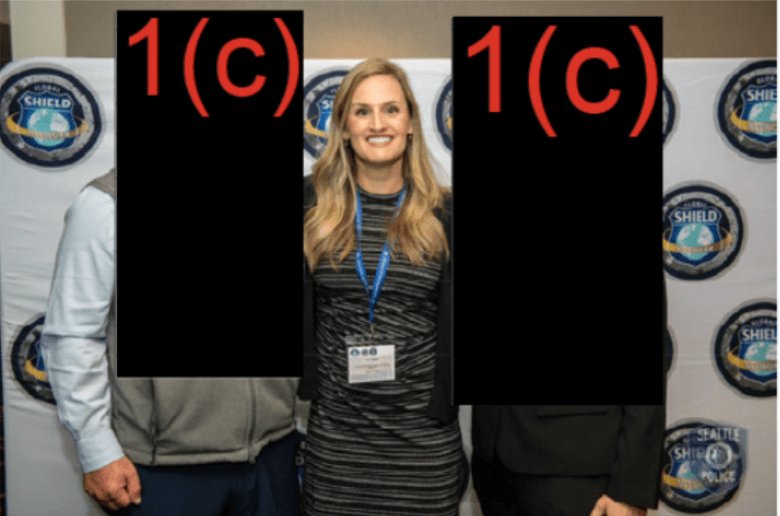
Seattle Shield is not an isolated experiment. Similar programs exist in dozens of U.S. cities, each feeding into the GSN’s annual conference—2025’s event was held at Seattle’s Sheraton Grand Hotel. Photographs from that conference show many participants with faces redacted, a decision the SPD justified as protecting undercover officers.
The model mirrors the InfraGard approach: a private‑sector “franchise” that expands law‑enforcement reach under the guise of counter‑terrorism. As the network proliferates, the line between legitimate threat assessment and surveillance of lawful protest becomes increasingly thin.
What could change the calculus?
- Legislative oversight – A city‑level charter or state law could require annual public reporting of Shield activities, including the number of alerts, their outcomes, and any arrests directly linked to the platform.
- Independent audits – Third‑party security firms could assess the data‑handling practices of ABM Security Services and NetSentinel, ensuring encryption standards and breach‑response protocols meet modern expectations.
- Clear definition of “terrorism” – Narrowing the criteria for what constitutes a terrorist threat would limit the use of protest‑related language that currently fuels the network’s alerts.
- Opt‑out mechanisms for private entities – Companies like Amazon and Facebook could publicly commit to not sharing internal security data for non‑violent protest monitoring, reducing the risk of corporate‑state collusion.
Bottom line
Seattle Shield illustrates how a public‑private intelligence ecosystem can operate largely out of sight, turning everyday security concerns into a national surveillance pipeline. While the network may provide genuine benefits for venue safety and rapid threat response, the lack of transparency, oversight, and clear limits on what qualifies as a “terrorist” indicator makes it a focal point for civil‑rights criticism. As more cities adopt similar models, the debate over where to draw the line between protection and privacy is likely to intensify.
For further reading, see the Seattle Shield roster (2020) and the BlueLeaks data breach report on NetSentinel’s site.
Comments
Please log in or register to join the discussion