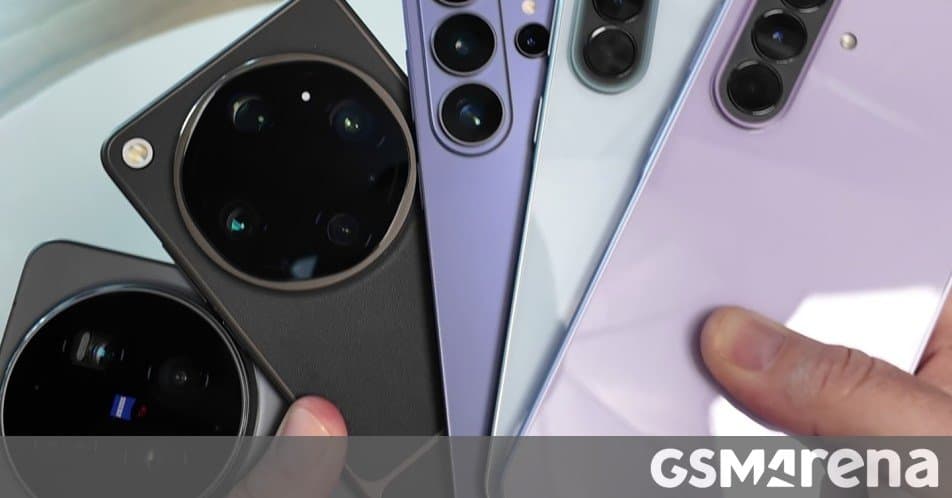
A reader‑driven blind test of selfie video quality shows the budget‑friendly Samsung Galaxy A37 out‑performing three premium flagships, thanks to refined image processing on the Exynos 1480 platform.
Samsung Galaxy A37 wins selfie‑video blind test
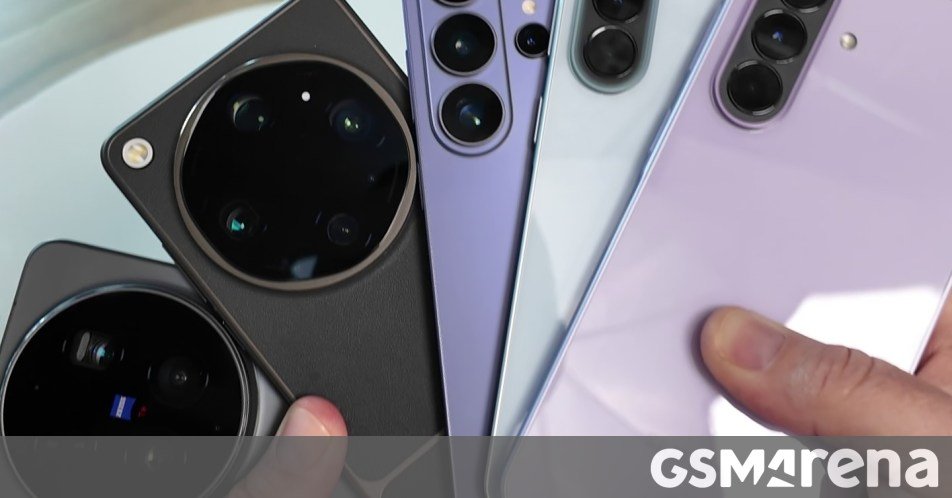
A week‑long blind test conducted by GSMArena gathered votes from TikTok, Instagram, YouTube and the site’s own poll to decide which of five phones delivers the best selfie video. The result is surprising: the under‑€300 Samsung Galaxy A37 took the top spot, while the flagship‑class Samsung Galaxy S26 Ultra finished at the bottom.
How the test was run
- Phones evaluated – Galaxy A37, Galaxy A57, Oppo Find X9 Ultra, vivo X300 Ultra, Samsung Galaxy S26 Ultra.
- Voting channels – Short‑form clips posted on the GSMArena TikTok channel, Instagram reels, a YouTube compilation, plus a dedicated poll on the homepage.
- Scoring – Viewers could cast a “love it” or “hate it” vote for each clip. The final ranking reflects the net positive votes.
The chart below (from the original article) shows the distribution of votes. The A37 leads with a clear margin, followed by its sibling A57, then the Oppo Find X9 Ultra, vivo X300 Ultra, and finally the S26 Ultra.
Why the Galaxy A37 shines
| Spec | Galaxy A37 | Galaxy A57 | Oppo Find X9 Ultra | vivo X300 Ultra | Galaxy S26 Ultra |
|---|---|---|---|---|---|
| Front camera | 12 MP, 1/3.2″ sensor | 12 MP, 1/3.2″ sensor | 50 MP, 1/2.75″ sensor | 50 MP, 1/2.76″ sensor | 12 MP ISOCELL 3LU, 1/2.8″ sensor |
| Chipset | Exynos 1480 | Exynos 1680 | Snapdragon 8 Elite Gen 5 | Snapdragon 8 Elite Gen 5 | Exynos 2400 |
| Video resolution | 4K @ 30 fps | 4K @ 30 fps | 4K @ 30 fps | 4K @ 30 fps | 4K @ 30 fps |
| Autofocus | Fixed focus | Fixed focus | PDAF | PDAF | Phase‑detect PDAF |
Even though the A37 uses the same modest 12 MP front sensor as the A57, it benefits from the fourth generation of the Exynos 1480 SoC. Samsung has had a full year to fine‑tune the image‑signal processor (ISP) and the AI‑driven video enhancement pipeline for this chip. The result is smoother exposure transitions, better low‑light handling and more accurate colour reproduction in selfie clips.
By contrast, the newer Exynos 1680 in the A57 is still being calibrated for optimal front‑camera performance. Early firmware builds focus on rear‑camera optimisation, leaving the front side slightly behind the A37’s mature software stack.
The flagships that stumbled
- Oppo Find X9 Ultra – Its 50 MP sensor is physically larger, but the Snapdragon 8 Elite Gen 5’s ISP is brand‑new. Reviewers noted that colour tones swing between oversaturated and dull, depending on lighting. The voting split reflects a “love it or hate it” reaction.
- vivo X300 Ultra – Shares the same sensor size and chipset as the Find X9 Ultra, yet its video processing appears even less refined. Viewers complained about flickering shadows and inconsistent frame‑rate stability.
- Samsung Galaxy S26 Ultra – Despite a premium 12 MP ISOCELL 3LU sensor and phase‑detect autofocus, the S26 Ultra received the most negative votes. The sensor has been used across three generations of Samsung flagships, and the latest Exynos 2400 appears to have introduced a regression in the front‑camera pipeline. The exact cause is unclear, but early users reported over‑sharpened edges and a tendency to clip highlights in bright environments.
What this means for the ecosystem
The A37’s victory highlights a growing trend: mid‑range devices can now out‑perform flagships in specific use‑cases when manufacturers invest in software optimisation. Samsung’s decision to keep the front‑camera hardware modest while iterating on the Exynos 1480 ISP paid off, showing that raw megapixel counts are less decisive than the maturity of the image‑processing stack.
For consumers, the result suggests that a sub‑€300 phone can reliably record 4K selfie videos for vloggers, TikTok creators and casual streamers without the hefty price tag of a flagship. It also puts pressure on other OEMs to accelerate front‑camera firmware updates, especially for devices that launched with brand‑new chipsets.
Where to see the clips again
- TikTok – GSMArena TikTok channel
- Instagram – Reels on the official GSMArena page
- YouTube – Full‑length compilation in the "Selfie Video Blind Test" playlist
- Download – High‑quality video files are available for direct download to avoid streaming compression.
Bottom line
The Samsung Galaxy A37 proves that a well‑tuned ISP can turn a modest front‑camera sensor into a 4K selfie‑video powerhouse. While flagship phones continue to push the envelope in raw hardware specs, the A37’s software‑first approach delivered the most satisfying results for everyday creators.
Comments
Please log in or register to join the discussion