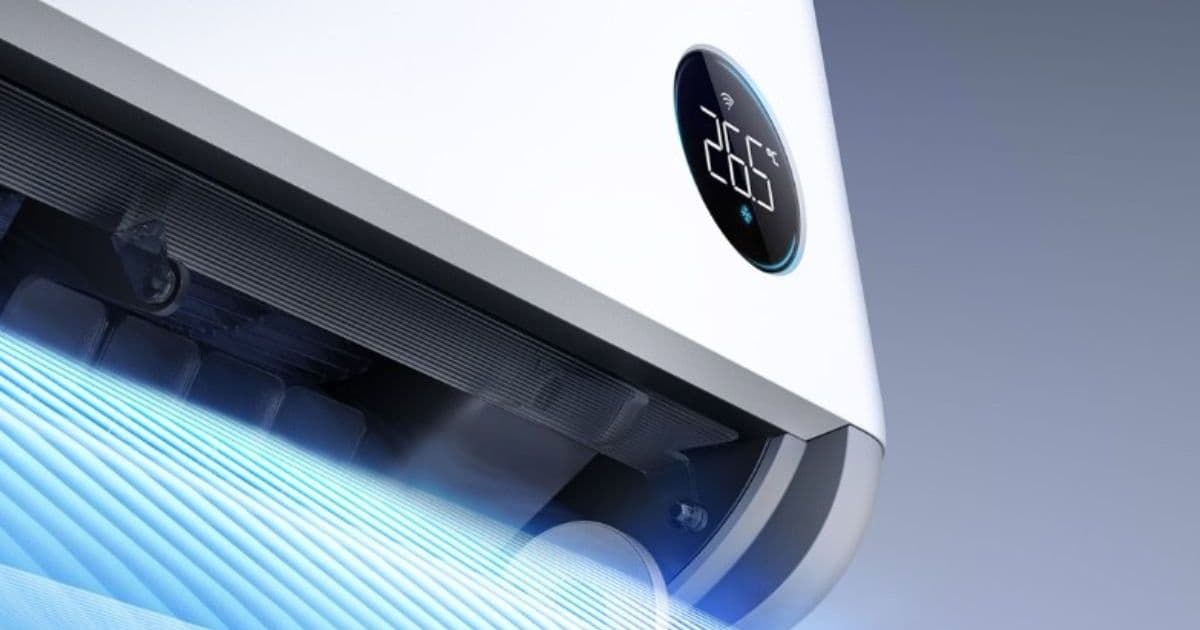
Xiaomi’s newest Mijia Home Air Conditioner packs a 1.5 HP compressor, 900 m³/h airflow and a Super Class 1 energy rating. With 30‑second heat‑up, 15‑second cool‑down, OTA updates and a self‑cleaning cycle, the unit aims at premium Chinese buyers at CNY 3,999 (~$589). We compare its specs to the previous Mijia Eco 7.0 kW and to competing split‑type models, and discuss who will benefit most from the fast response and AI‑assisted power savings.
What’s new
Xiaomi has just announced the Mijia Home Air Conditioner Powerful Airflow Over 1.5 HP (Super Class 1 Energy Efficiency) for the Chinese market. The unit combines a 1.5 horsepower (≈1.1 kW) inverter compressor with a 900 m³/h (31,783 ft³/h) airflow rate, driven by a 118 mm (4.65 in) fan blade. According to the company, the system can begin heating in 30 seconds and start cooling in 15 seconds, a speed that rivals many high‑end split units.
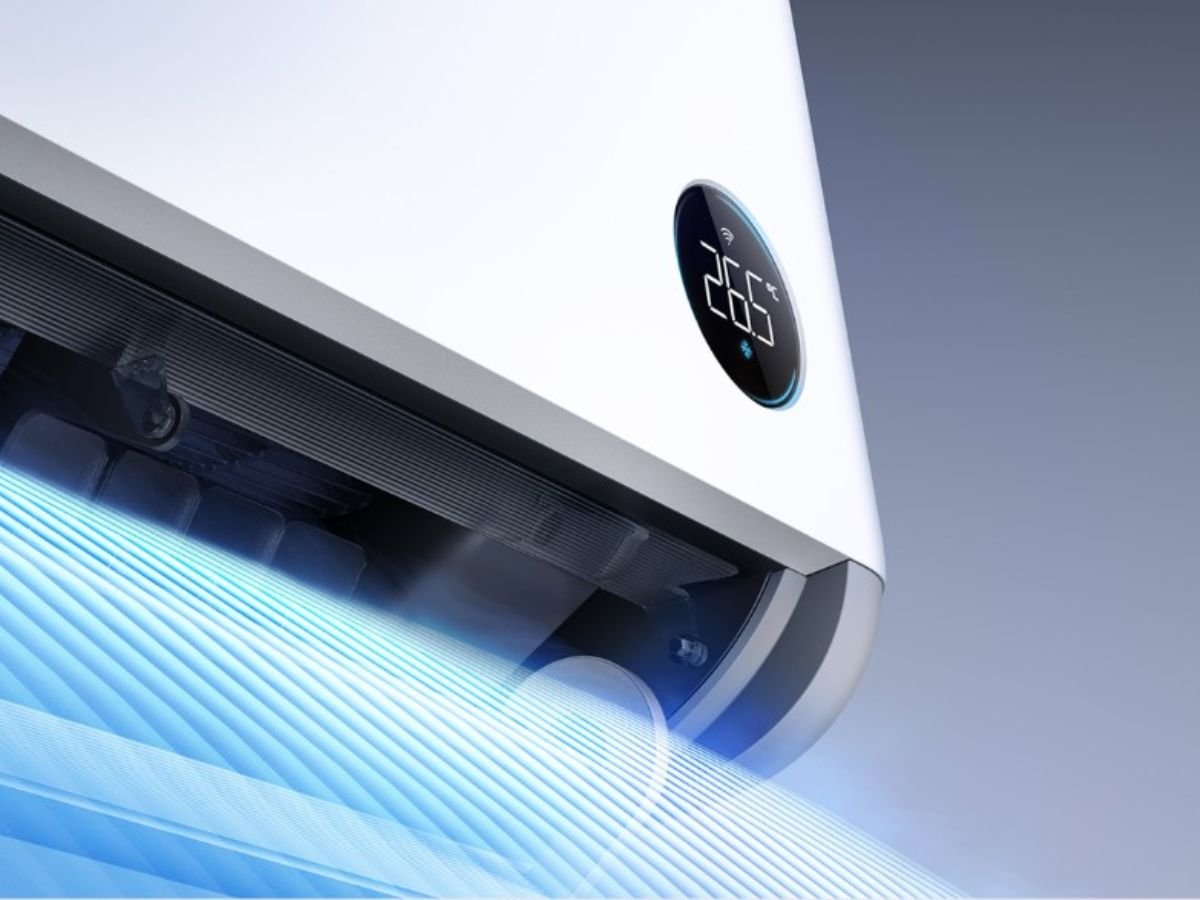
Key smart features include:
- Self‑cleaning mode that runs a high‑temperature cycle to reduce mold and dust buildup.
- Full remote control via the Mi Home app, allowing users to set schedules, adjust fan speed, and monitor energy consumption.
- OTA firmware updates and integration with HyperOS Connect, which provides diagnostic logs and AI‑based suggestions for optimal operation.
- An energy‑saving algorithm that claims up to 40 % lower power draw, backed by an annual performance factor (APF) of 6.01 – a figure that places the unit in the top tier of Class 1 efficiency.
The retail price in China is CNY 3,999 (about US$589), positioning it as a premium but still affordable option for households looking for rapid climate control.
How it compares
Against Xiaomi’s own lineup
| Feature | Mijia Eco 7.0 kW (2023) | Mijia 1.5 HP (2026) |
|---|---|---|
| Compressor power | 7.0 kW (≈9.5 HP) | 1.5 HP (≈1.1 kW) |
| Airflow | 750 m³/h | 900 m³/h |
| Heat‑up time | ~1 min | 30 s |
| Cool‑down time | ~45 s | 15 s |
| APF | 5.4 | 6.01 |
| Price (CNY) | 4,699 | 3,999 |
While the Eco 7.0 kW still offers more raw cooling capacity, the new 1.5 HP model delivers higher airflow and dramatically faster response times, thanks to a larger fan and a more aggressive inverter control strategy. The improved APF also means lower electricity bills despite the lower nominal cooling output.
Against mainstream competitors
| Model | Cooling capacity | Airflow | Heat‑up | Cool‑down | APF | Price (USD) |
|---|---|---|---|---|---|---|
| Daikin FTKM35S (split) | 3.5 kW | 820 m³/h | 45 s | 20 s | 5.8 | 720 |
| Mitsubishi MSZ‑AP35VG | 3.5 kW | 790 m³/h | 50 s | 22 s | 5.9 | 750 |
| Xiaomi Mijia 1.5 HP | 1.1 kW | 900 m³/h | 30 s | 15 s | 6.01 | 589 |
Xiaomi’s unit undercuts the Daikin and Mitsubishi offerings by roughly $130‑$160, while delivering the fastest heat‑up and cool‑down times in the table. The trade‑off is lower overall cooling capacity, making the Xiaomi model better suited for medium‑size rooms (15‑25 m²) rather than large living spaces.
Who it’s for
- Urban apartments and small families that need rapid temperature changes without the expense of a full‑size split system.
- Tech‑savvy users who already live in the Mi ecosystem and want OTA updates, remote diagnostics and integration with other smart home devices.
- Energy‑conscious buyers who value the Super Class 1 rating and the advertised 40 % power‑saving algorithm. In a typical Chinese household (≈1,500 kWh annual electricity use), the savings could translate to roughly CNY 600 per year.
- Consumers in regions with hot‑summer, cold‑winter swings where quick heating and cooling cycles reduce the time the compressor runs at full load, extending its lifespan.
The main limitation is regional availability – Xiaomi has not announced a European version yet, and the device’s power plug and certification are tailored to the Chinese market. If the brand decides to launch abroad, it will likely need to adapt the inverter firmware to meet EU energy standards and possibly offer a higher‑capacity variant for larger homes.
Bottom line
Xiaomi’s new Mijia Home Air Conditioner 1.5 HP packs a surprising amount of performance into a compact, app‑controlled package. Faster heat‑up/cool‑down times, a high airflow rate and a top‑tier APF make it a compelling choice for apartment dwellers who already trust the Mi ecosystem. While it won’t replace a 3‑5 kW split unit in a large living room, its price‑to‑performance ratio is hard to beat in the Chinese market. Keep an eye on whether Xiaomi brings this AI‑enhanced, energy‑saving model to other regions – the combination of speed and smart control could set a new benchmark for mid‑range residential ACs.

Comments
Please log in or register to join the discussion