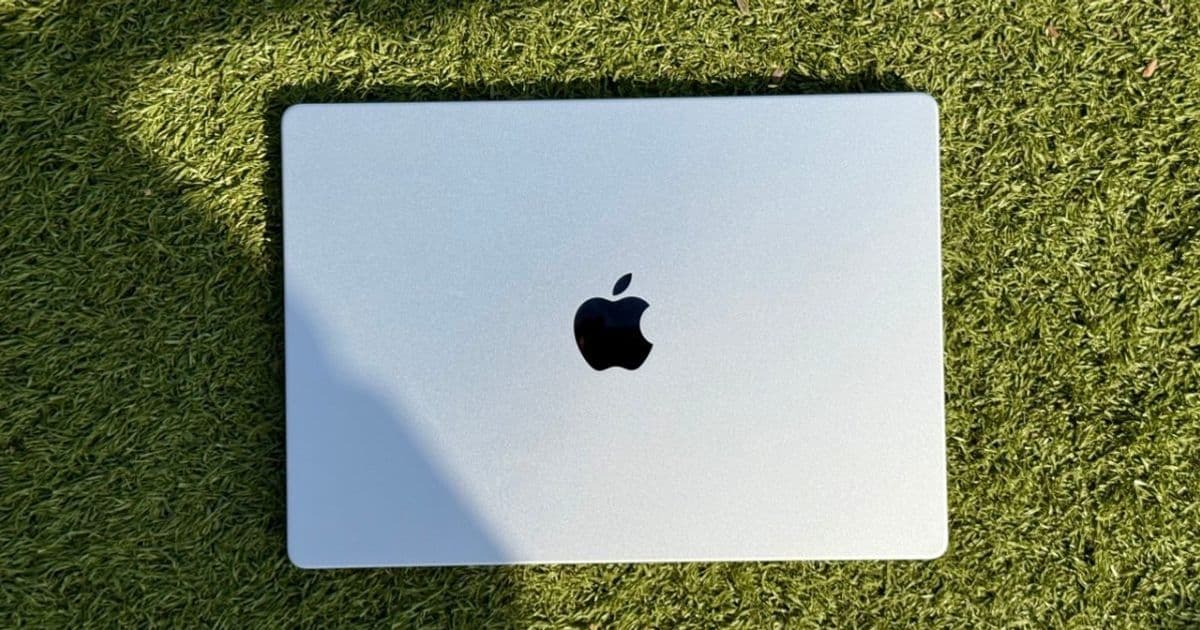
Apple’s upcoming 2026 MacBook Pro redesign is expected to be slimmer and lighter, a change that could improve portability without sacrificing the pro‑grade cooling, battery life, and port selection that power users rely on.
Apple’s Next‑Gen MacBook Pro May Finally Shed Some Thickness
Apple is gearing up to launch the first major redesign of its 14‑ and 16‑inch MacBook Pro line since 2021. While the headlines have focused on OLED panels, touch input, and the next‑generation M6 Pro/Max silicon, a quieter but equally important detail is the promised reduction in chassis thickness.
What the redesign promises
- Thinner chassis – Rumors suggest a modest trim of a few millimetres, enough to make the 16‑inch model feel less like a desktop replacement while keeping the thermal envelope intact.
- M6 Pro and M6 Max chips – Built on the 3‑nm process, these SoCs should deliver up to 30 % more CPU performance and 40 % more GPU throughput compared with the current M2 Max.
- OLED + optional touch – Apple reportedly postponed the OLED rollout due to supply‑chain hiccups, but the technology is still slated for the high‑end trims.
- Dynamic Island cutout – Borrowed from the iPhone 15 series, this will replace the static notch on the Pro models.
- Expanded port mix – Early schematics show an extra HDMI 2.1 port and a full‑size SD card slot, addressing a long‑standing complaint from creative professionals.
All of these changes are slated for the higher‑end configurations. The base 14‑inch model with an M6 chip will likely retain the current form factor until a later refresh, possibly in 2027.
Why a slimmer profile matters for developers
For iOS and macOS developers who juggle multiple monitors, external GPUs, and heavy‑duty builds, the MacBook Pro’s thermal headroom is a non‑negotiable requirement. Historically, Apple has used a thicker chassis to accommodate a larger heat‑pipe array and a more robust fan system. The 2024‑25 16‑inch Pro, for example, measures 1.68 cm at its thickest point and weighs 2.2 kg, making it cumbersome for on‑the‑road work.
A reduction of even 2–3 mm can translate into:
- Better ergonomics – A slimmer lid reduces the angle needed when the laptop is placed on a lap, improving comfort during long coding sessions.
- Improved bag compatibility – The new dimensions should fit more easily into standard 15‑inch laptop sleeves, a small but appreciated convenience for developers who travel between client sites.
- Potential for lighter weight – While Apple is unlikely to cut the aluminum shell dramatically, a thinner lid paired with a refined internal layout could shave off 100–150 g.
Crucially, Apple appears intent on preserving the Pro’s cooling capacity. The company’s engineering team reportedly re‑engineered the heat‑pipe layout to run closer to the chassis walls, a move that maintains peak performance under sustained loads such as Xcode builds or running multiple iOS simulators.
Migration considerations for cross‑platform teams
If you’re managing a mixed iOS/Android codebase with tools like Flutter, React Native, or Xamarin, the upcoming MacBook Pro will affect your workflow in several ways:
- Build times – The M6 Pro’s 12‑core CPU and up to 64 GB of unified memory will noticeably speed up Gradle and Xcode builds, especially when combined with the new SSD controller that promises 8 GB/s sequential reads.
- Display fidelity – OLED’s true blacks and higher contrast will make UI debugging more accurate, but developers should verify that their color‑profile assets render correctly on both OLED and legacy LCD screens.
- Touch support – If Apple introduces a touch‑enabled display, UI frameworks that already support touch gestures (e.g., Flutter’s
GestureDetector) will gain a new testing surface without needing a separate tablet. - Port transition – The addition of HDMI 2.1 and an SD slot reduces reliance on dongles, simplifying setups for UI testing on external monitors and cameras.
For teams that still ship base‑model 14‑inch Pros, the timeline means a staggered upgrade path. You can continue using the current models for most tasks, but plan for a phased rollout once the thinner Pro becomes available, ideally aligning with a major release of your app to take advantage of the performance boost.
What to watch for after the announcement
- Official dimensions – Apple will publish exact thickness and weight numbers; keep an eye on whether the claimed reductions meet real‑world expectations.
- Thermal benchmarks – Independent reviewers will run sustained‑load tests (e.g., compiling a large Swift project for 30 minutes) to confirm that the slimmer chassis does not throttle performance.
- Battery life – With a potentially smaller internal volume, Apple may need to adjust the battery capacity. Expect a slight dip in endurance unless efficiency gains from the M6 chips offset the loss.
- Pricing – Historically, a redesign brings a modest price increase. Evaluate whether the thinner form factor justifies the cost for your development budget.
Bottom line
The upcoming MacBook Pro redesign is shaping up to be more than just a visual refresh. By shaving a few millimetres off the chassis while retaining the pro‑grade cooling system, Apple could finally strike a balance between portability and performance—a combination that matters to developers who need raw power without lugging a heavy laptop around.
If you’re already planning a hardware refresh for 2026, the thinner Pro should be on your shortlist, especially if your workflow benefits from the new M6 silicon and expanded port selection. Keep an eye on the official launch event later this year for the final specs and pricing.
For further reading, see Apple’s official MacBook Pro page and the latest coverage from Bloomberg’s Mark Gurman.
Comments
Please log in or register to join the discussion