
Japan’s custom‑built “Monster Wolf” deterrents are in high demand amid rising bear incidents, but limited production capacity is leaving farmers and other rural users waiting months for a unit. While the machines have proven effective, experts question whether reliance on costly, handcrafted robots is a sustainable long‑term strategy for wildlife conflict mitigation.
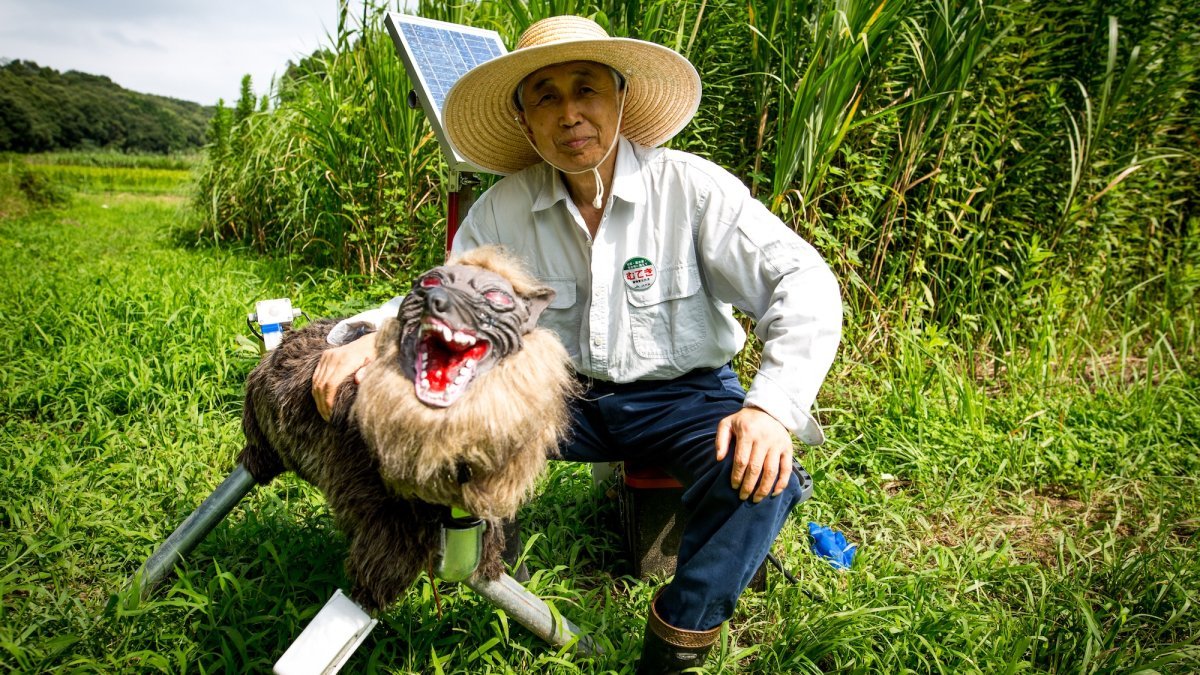
The quiet countryside of Japan is increasingly populated by a new kind of guardian: a robotic wolf with glowing red eyes, a snarling mouth, and a speaker system that can blast a half‑mile‑wide warning. First introduced in 2016 by Ohta Co., the Monster Wolf was intended to scare off boars, deer, and the nation’s two bear species – the Asian black bear (Ursus thibetanus) and the brown bear (Ursus arctos). Its distinctive, furry pipe frame quickly became a viral sensation, and the device now occupies a niche between traditional scarecrows and high‑tech wildlife deterrents.
Why the demand is exploding
Rising human‑bear conflicts – Government data show more than 50,000 bear sightings in 2025, with 200 injuries and 13 deaths, a two‑fold increase over the previous record. Urban sprawl and an aging rural workforce have pushed people deeper into bear habitats, reducing natural food sources for the animals.
Proven deterrence – Field reports from farmers in Hokkaido and Shikoku indicate that the wolves’ combination of infrared motion sensors, flashing LEDs, and a library of 50+ audio clips (including human voices and sirens) can keep bears at bay for hours. Ohta’s president Yuji Ohta told AFP that customers are seeing “clear results” and are willing to wait three months for a unit.
Versatile deployment – Beyond farms, golf courses, construction sites, and even outdoor schools have placed orders, seeing the robot as a low‑maintenance alternative to constant human patrols.
The supply bottleneck
Each Monster Wolf is hand‑assembled, costs around $4,000, and now includes solar panels and battery packs for off‑grid operation. Ohta’s small workshop simply cannot scale to meet the surge; the company estimates a two‑to‑three‑month lead time for new orders. The situation has sparked a debate within the rural community:
Proponents argue that the upfront cost is justified by the reduction in crop loss, property damage, and potential human injury. For a farmer whose livelihood depends on a single harvest, a reliable deterrent can be financially sensible.
Critics point out that the price excludes many small‑scale growers, and that the handcrafted nature of the product makes it vulnerable to supply chain disruptions. They also warn that reliance on a single technology may overlook broader ecosystem management strategies.
Counter‑perspectives and alternatives
Traditional non‑lethal methods – Electric fencing, bear‑proof garbage containers, and community‑wide scent deterrents have been used for decades. While less flashy, they are often cheaper to install and maintain.
Community patrols and education – Some municipalities have increased ranger presence and run public safety workshops. These programs can address the root cause of encounters by promoting proper food storage and land‑use planning.
Ecological interventions – Restoring natural foraging corridors and managing forest composition can reduce the need for artificial deterrents. Researchers at the University of Tokyo suggest that targeted planting of berry‑producing shrubs could divert bears away from human settlements.
Open‑source hardware – A handful of hobbyist groups have begun sharing designs for low‑cost, 3‑D‑printed scare devices that mimic the Monster Wolf’s sensor suite. While not as polished, these projects could democratize access and relieve pressure on Ohta’s production line.
Looking ahead
Ohta has announced plans for next‑generation models with motorized wheels for autonomous patrolling and a handheld “mini‑wolf” aimed at hikers and school groups. If these variants can be produced at scale, they may alleviate the current backlog. However, the fundamental challenge remains: a handcrafted, premium‑priced product cannot sustain nationwide demand without a shift toward modular, mass‑manufacturable designs.
In the meantime, the Japanese government continues to issue bear‑safety guidelines, urging residents to store food securely, travel in groups, and carry deterrent devices such as pepper spray. The recent deployment of military units to cull over 14,600 bears in 2025 underscores the urgency of finding a balanced, humane solution.
Bottom line: Robot wolves are an intriguing, effective tool in the fight against bear incursions, but their limited supply and high cost highlight the need for a diversified approach that combines technology, community action, and ecological stewardship.
For more on the Monster Wolf and its specifications, see the official Ohta product page.
Comments
Please log in or register to join the discussion