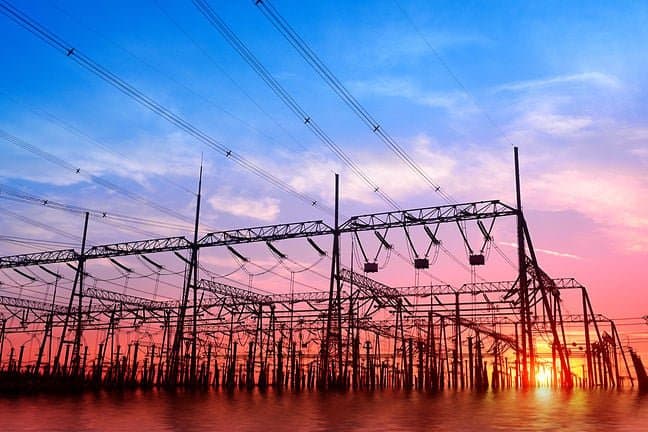
US Senators Warren and Hawley are urging the Energy Information Administration to require large datacenters to report their energy consumption, arguing that without hard data, the Trump administration's voluntary Ratepayer Protection Pledge is unenforceable.
US Senators Elizabeth Warren and Josh Hawley are calling on the federal government to require large datacenters and other major energy consumers to report their power usage, arguing that without standardized data collection, voluntary industry pledges to protect consumers from rising electricity costs cannot be enforced.
The senators have written to the Energy Information Administration (EIA) requesting mandatory annual reporting requirements for entities like datacenters that consume massive amounts of electricity. Their letter references the Ratepayer Protection Pledge that President Trump urged major AI and cloud companies to sign earlier this month, which aims to shield American consumers if electricity bills rise due to artificial intelligence's growing energy demands.
However, as The Register previously noted, this voluntary agreement lacks any enforcement mechanism. Warren and Hawley argue that both Congress and the public currently lack the data needed to hold these companies accountable to their commitments. Without standardized reporting, there is no way to verify whether datacenters are actually protecting ratepayers from cost increases.
The Data Gap Problem
The push for mandatory reporting comes amid rapidly growing electricity demand after years of relative stagnation. Utilities rely on demand projections from large customers like datacenters when deciding whether to build costly new infrastructure, with those costs typically passed to residential customers through higher rates.
This data gap has been building for years. In 2024, The Register reported that Americans faced a 70 percent hike in electricity bills by the end of the decade unless action was taken to boost generation and transmission capacity. By late last year, senators were already raising concerns about datacenters increasing costs for consumers.
What Data Collection Would Entail
The senators' letter asks the EIA to collect comprehensive information including:
- Hourly consumption data
- Annual consumption totals
- Peak demand figures
- Electricity rates paid by large loads
- Load flexibility and demand response strategies
- Breakdown of energy use by AI-configured servers versus other workloads
- Transmission and distribution upgrades required
- Cost-sharing arrangements among customers
The letter emphasizes that without this data, policymakers, utility companies, and local communities are "operating in the dark" when making decisions about grid planning and rate structures.
Industry Pushback Expected
These proposals are likely to face significant resistance from the datacenter industry. Similar mandatory reporting requirements in the European Union's Energy Efficiency Directive have already been implemented for datacenters above certain size thresholds, but US companies have shown reluctance to comply with such regulations.
Recent US legislation targeting datacenter emissions has already been shelved after lobbying opposition. The industry has consistently argued that mandatory reporting creates compliance burdens and could reveal competitive information.
Political Context
The timing of this request is notable given the Trump administration's broader approach to AI and energy policy. The administration has moved to strip back regulations it sees as obstacles to AI development, including blocking states from implementing their own AI rules and weakening nuclear safety directives to accelerate reactor construction.
This creates a tension between the administration's desire to rapidly expand AI infrastructure and concerns about protecting consumers from the associated costs. The senators' letter essentially argues that voluntary industry commitments are insufficient without the data needed to verify compliance.
The Ratepayer Protection Pledge
The Ratepayer Protection Pledge that prompted this response was announced earlier this month when President Trump met with major tech executives. The agreement was presented as a commitment from AI and cloud companies to ensure that American consumers would not bear the financial burden of increased electricity demand from AI operations.
However, without mandatory reporting requirements, there is no mechanism to track whether these companies are actually fulfilling their pledge or to measure the true impact of datacenter growth on electricity rates. The senators argue that standardized reporting is essential to delivering the oversight necessary to combat rising utility costs.
Grid Planning Implications
The lack of reliable data on massive energy users poses serious risks to grid planning, according to the senators. When utilities make decisions about building new power plants, transmission lines, or other infrastructure, they base those decisions on projected demand from their largest customers.
If those projections are inaccurate because large loads aren't reporting their actual consumption patterns, utilities may overbuild or underbuild infrastructure, leading to either wasted investment or inadequate capacity. Either outcome ultimately affects electricity rates for all customers.
Public Transparency Concerns
The senators also want the EIA to make collected information publicly available, arguing that transparency is essential for democratic oversight of energy policy. This would allow researchers, consumer advocates, and the general public to analyze the impact of datacenter growth on electricity markets and rates.
This push for transparency comes as communities across the country are grappling with the rapid expansion of datacenter construction and its implications for local energy infrastructure and rates. Without hard data, these debates often devolve into speculation about the true costs and benefits of hosting large tech facilities.
The Broader Energy Transition
This debate occurs against the backdrop of a broader energy transition in the United States. As the country moves toward greater electrification of transportation and buildings while also facing growing demand from AI and other digital services, understanding energy consumption patterns becomes increasingly critical.
Datacenters represent a unique challenge because they are both major energy consumers and key enablers of the digital economy. Balancing their growth with consumer protection requires accurate data on their actual impact, which the senators argue can only be obtained through mandatory reporting.
The outcome of this request could have significant implications for how the United States manages its energy future, particularly as AI continues to drive unprecedented growth in electricity demand. Whether the EIA will implement these reporting requirements remains to be seen, but the senators have made clear that voluntary industry commitments are insufficient without the data needed to enforce them.
Comments
Please log in or register to join the discussion