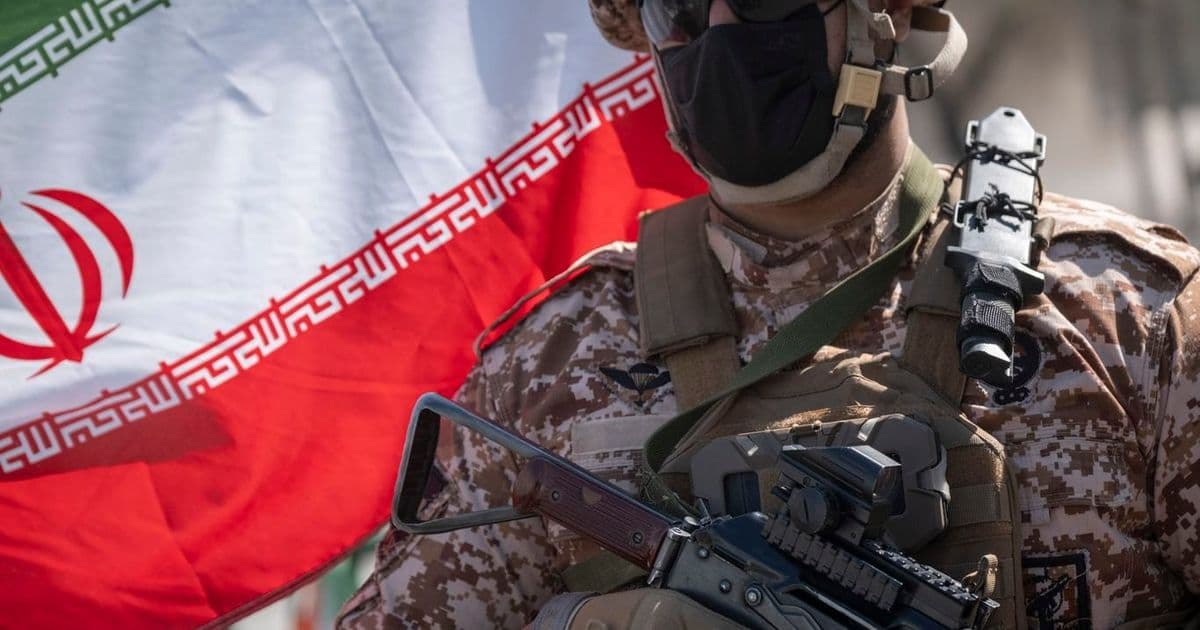
Iran's military combines conventional forces with asymmetric warfare capabilities, including proxy networks and advanced missile systems, creating a complex threat environment that would challenge any U.S. ground operation.
As tensions escalate in the Middle East, understanding Iran's military capabilities becomes crucial for assessing the potential risks and challenges of any U.S. ground operations. Iran has developed a sophisticated military apparatus over decades, combining conventional forces with asymmetric warfare capabilities that would present significant obstacles to any invading force.
Conventional Military Forces
Iran maintains a large standing military with approximately 525,000 active personnel across its regular armed forces. The Islamic Republic of Iran Army (Artesh) includes ground forces, air force, and navy components, though these conventional forces are generally considered less advanced than those of Western powers.
The ground forces operate a mix of domestically produced and imported equipment, including main battle tanks like the Zulfiqar and T-72, armored personnel carriers, and artillery systems. While Iran has invested in upgrading its conventional capabilities, many of its systems are aging or based on older designs from the 1970s and 1980s.
Iran's air force relies heavily on pre-revolution U.S. aircraft like the F-4, F-5, and F-14, supplemented by Russian and Chinese fighters. However, maintenance challenges and limited access to spare parts have constrained operational readiness. The navy operates a combination of small fast attack craft, submarines, and coastal defense systems, with a focus on asymmetric capabilities in the Persian Gulf.
The Revolutionary Guard Corps: Iran's Elite Force
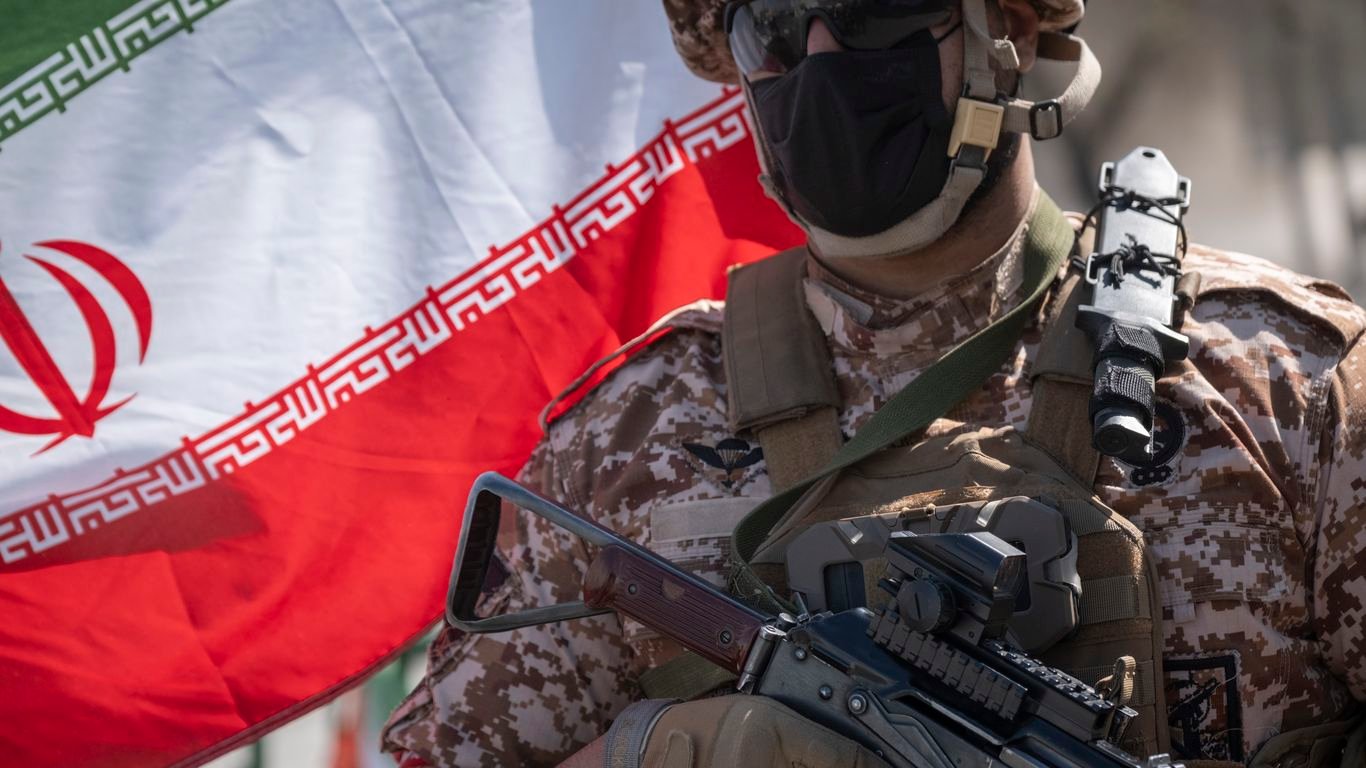
The Islamic Revolutionary Guard Corps (IRGC) represents Iran's most capable and ideologically committed military organization. Established after the 1979 revolution to protect the Islamic Republic's political system, the IRGC operates separately from the regular military and reports directly to the Supreme Leader.
The IRGC's ground forces, known as the Pasdaran, are better equipped and trained than their regular army counterparts. They've developed expertise in internal security, border control, and rapid deployment operations. The IRGC also controls Iran's ballistic missile program and has developed increasingly sophisticated precision-guided munitions.
Asymmetric Warfare and Proxy Networks
Where Iran truly excels is in asymmetric warfare and proxy operations. The IRGC's Quds Force specializes in extraterritorial operations, cultivating relationships with non-state actors across the Middle East. These proxy networks would likely be central to Iran's response to any U.S. ground invasion.
Hezbollah in Lebanon, various Shia militias in Iraq, the Houthis in Yemen, and Palestinian Islamic Jihad have all received Iranian training, funding, and equipment. These groups could launch attacks against U.S. interests, allies, and forces throughout the region, creating a multi-front conflict that extends far beyond Iran's borders.
Iran has also developed sophisticated cyber capabilities, with military and intelligence units capable of conducting cyber espionage and potentially disruptive attacks against critical infrastructure. While not at the level of major cyber powers, these capabilities add another dimension to Iran's defensive options.
Missile Arsenal: Iran's Strategic Deterrent
Iran possesses one of the largest missile arsenals in the Middle East, with estimates ranging from 200 to 300 Shahab-3 ballistic missiles capable of reaching targets up to 2,000 kilometers away. These missiles can potentially carry conventional or, if developed, nuclear warheads.
More concerning for any potential ground operation are Iran's short-range ballistic missiles like the Fateh-110 and Zolfaghar, which can strike targets throughout the Persian Gulf region with increasing accuracy. Iran has also developed cruise missiles and anti-ship ballistic missiles specifically designed to counter U.S. naval forces in the region.
Defensive Strategy and Terrain Advantages
Iran's military doctrine emphasizes defensive operations designed to inflict maximum casualties on invading forces while avoiding direct conventional confrontations where its forces would be at a disadvantage. The country's mountainous terrain, particularly in western and northern regions, would favor defensive operations and make rapid advances difficult.
Urban warfare would be another significant challenge, as Iranian forces could leverage their knowledge of local terrain and populations. The IRGC has developed tunnel networks and underground facilities to protect key assets from airstrikes and provide concealed movement options.
Regional Implications and Escalation Risks
Any U.S. ground operation against Iran would likely trigger a regional escalation involving multiple actors. Iran could attempt to close the Strait of Hormuz, through which approximately 20% of global oil passes, causing immediate economic disruption. Attacks on Gulf oil infrastructure, shipping, and U.S. bases in the region would be almost certain.
The IRGC has explicitly threatened to target U.S. forces and allies throughout the Middle East if Iran is attacked. This could include missile strikes on U.S. bases in Iraq, Syria, and the Gulf states, as well as encouraging proxy attacks on U.S. interests globally.
Intelligence and Counterintelligence Capabilities
Iran maintains extensive intelligence networks both within its borders and across the Middle East. The Ministry of Intelligence and Security (MOIS) and the IRGC's intelligence organization conduct domestic surveillance, counterintelligence, and foreign operations. These capabilities would complicate U.S. military planning and potentially compromise operational security.
Iran has demonstrated sophisticated intelligence tradecraft, including the ability to recruit agents and conduct surveillance operations. While not at the level of major intelligence powers, these capabilities would pose challenges for any invading force.
Logistical and Supply Chain Considerations
Iran's military logistics system has improved significantly since the Iran-Iraq War, with better maintenance capabilities and domestic production of many weapons systems. However, the country still relies on imports for advanced components and technology.
U.S. forces would face significant logistical challenges in any ground operation, including the need to secure supply lines across potentially hostile territory and the difficulty of maintaining air superiority over a country with substantial air defense capabilities. Iran has invested in Russian and Chinese air defense systems, including the S-300, which could complicate U.S. air operations.
Historical Context and Military Effectiveness
Iran's military effectiveness should be evaluated in the context of its last major conflict, the Iran-Iraq War (1980-1988), where it demonstrated both resilience and significant casualties. Since then, Iran has focused on developing asymmetric capabilities rather than matching Western conventional forces.
The IRGC's experience supporting proxy forces and its involvement in conflicts like Syria have provided valuable operational experience. However, Iran has not fought a major conventional war in decades, and the effectiveness of its forces against a technologically superior opponent remains uncertain.
Strategic Deterrence and Nuclear Ambiguity
While Iran maintains a policy of strategic ambiguity regarding nuclear weapons, its ballistic missile program and potential nuclear capabilities serve as a deterrent against major attacks. The threat of escalation to weapons of mass destruction, whether chemical, biological, or nuclear, would be a significant consideration in any U.S. military planning.
Iran's military strategy appears designed to make any potential conflict so costly and unpredictable that adversaries are deterred from initiating major operations. This approach, combined with Iran's geographic advantages and regional influence, creates a complex security environment that would challenge any U.S. ground operation.
Comments
Please log in or register to join the discussion