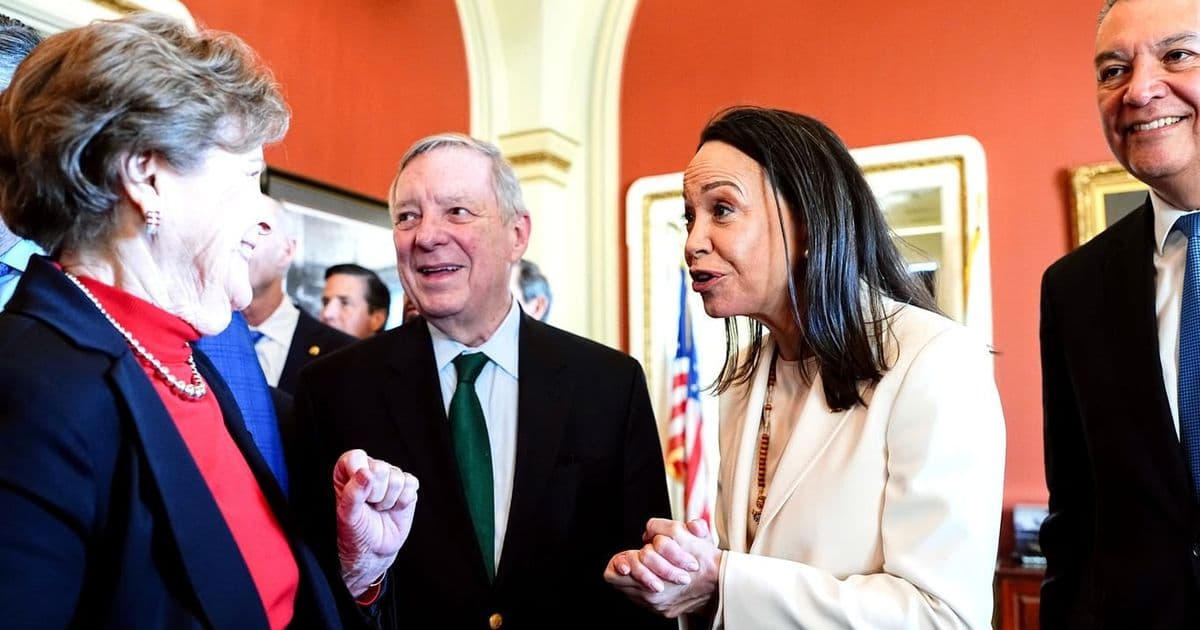
A bipartisan congressional delegation seeks to visit Venezuela as the Biden administration weighs oil sanction relief against electoral reforms.

A bipartisan group of U.S. senators is actively pursuing a visit to Venezuela, signaling intensified congressional engagement as the Biden administration reevaluates sanctions policy tied to the country's massive oil reserves. Democratic Senators Jeanne Shaheen, Dick Durbin, and Alex Padilla recently met with Venezuelan opposition leader María Corina Machado, laying groundwork for potential travel to Caracas to assess political and economic conditions firsthand.
This diplomatic push coincides with critical decisions looming over Venezuela's energy sector. Current U.S. sanctions prohibit most oil transactions with Venezuela's state-owned PDVSA, blocking access to the world's largest proven oil reserves. However, Chevron maintains limited operations under a special Treasury Department license renewed last November. The existing license generates approximately 200,000 barrels per day, with analysts estimating full sanctions relief could quadruple Venezuelan output within 18 months.

- Market Implications: Venezuela's potential return as a major oil exporter carries significant weight for global energy markets. OPEC+ production cuts have tightened supplies, with Brent crude hovering near $85/barrel. Adding 500,000-800,000 daily barrels from Venezuela could ease prices but might trigger resistance from other OPEC members.
- Corporate Calculus: Energy giants including Shell and Eni have expressed interest in expanding Venezuelan operations should sanctions ease. PDVSA's joint ventures require substantial foreign investment to revive crumbling infrastructure—production currently sits at 800,000 bpd, down from 3.5 million in 1999.
- Sanction Leverage: The Treasury Department's April decision not to renew a broader sanctions waiver signals ongoing concerns about electoral integrity. Future relief hinges on Venezuela allowing opposition candidates on presidential ballots—a concession that could unlock $20B+ in annual oil revenue for Caracas while reshaping Latin American energy flows.
Financial analysts note Venezuela's heavy crude is particularly valuable to U.S. Gulf Coast refiners configured to process it. Goldman Sachs estimates every 100,000 bpd increase from Venezuela could reduce global oil prices by $2-3 per barrel. With the Senate delegation seeking direct engagement, congressional pressure may accelerate policy decisions affecting both geopolitical strategy and commodity markets through 2024.
Comments
Please log in or register to join the discussion