President Trump announced that military operations against Iran are advancing ahead of schedule, raising questions about escalation and regional stability.
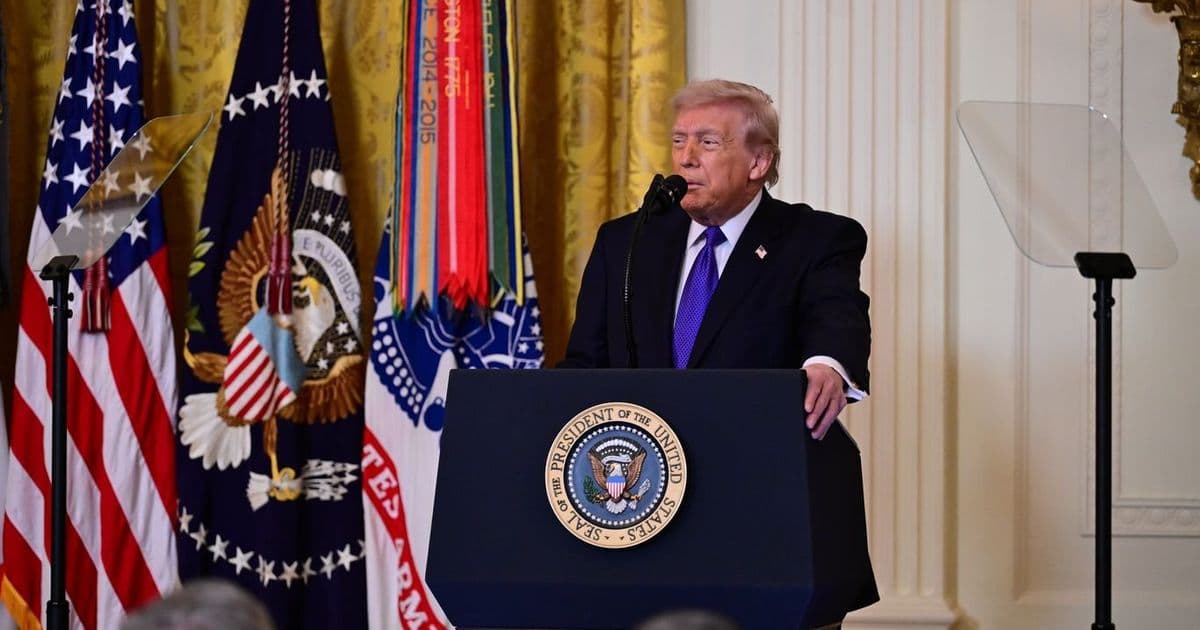
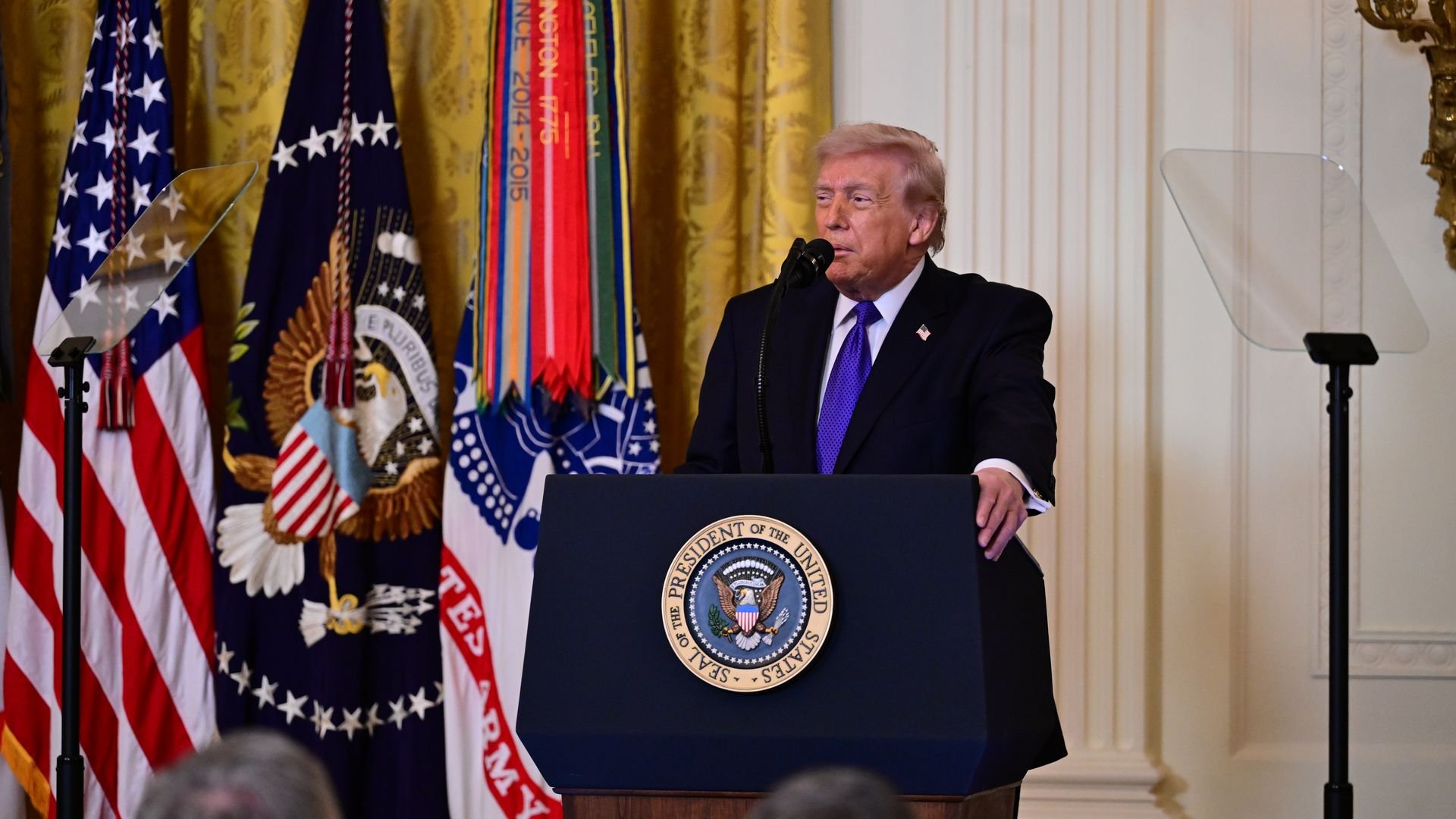
President Trump stated today that military operations against Iran are progressing "substantially ahead of schedule," marking a significant escalation in the ongoing conflict between the two nations. The announcement came during a Medal of Honor ceremony, where Trump briefly addressed reporters before the formal proceedings began.
Timeline Acceleration
The president's comments suggest that recent military actions have achieved objectives more quickly than Pentagon planners initially anticipated. While Trump did not provide specific details about which operations or what metrics he was referencing, military analysts note that the accelerated timeline could indicate either successful strikes on key targets or a shift toward more aggressive engagement strategies.
Regional Implications
Iran's leadership has not yet responded publicly to Trump's claims. However, regional security experts warn that an accelerated conflict timeline could lead to:
- Increased Iranian proxy activity in Iraq, Syria, and Lebanon
- Potential disruptions to global oil markets
- Heightened risks for commercial shipping through the Strait of Hormuz
- Greater pressure on U.S. allies in the Gulf region to increase military readiness
Strategic Context
The accelerated timeline comes amid ongoing negotiations between the U.S. and Iran regarding nuclear development and regional influence. Some analysts suggest that Trump's statement may be intended as leverage in these diplomatic discussions, while others view it as confirmation that military options have taken precedence over negotiated solutions.
Market Reactions
Financial markets showed immediate reactions to the news, with:
- Oil futures rising approximately 3.2% in early trading
- Defense sector stocks experiencing gains
- Traditional safe-haven assets like gold seeing increased demand
The conflict's progression has already impacted global energy markets, with Iran's oil exports facing increased scrutiny and potential sanctions affecting supply chains.
What Happens Next
Military experts emphasize that an accelerated timeline does not necessarily indicate a shorter overall conflict. Rather, it may suggest that:
- Initial objectives are being met more efficiently than planned
- The administration is prepared to expand operations beyond original parameters
- Diplomatic channels may be closing as military options advance
International Response
Key U.S. allies have expressed concern about the accelerated timeline, with European leaders calling for restraint and renewed diplomatic efforts. NATO officials have stated they are monitoring the situation closely but have not indicated any changes to current force deployments in the region.
The United Nations Security Council is expected to convene an emergency session to discuss the implications of Trump's announcement and potential responses to further escalation.
Historical Context
This development represents one of the most significant escalations in U.S.-Iran tensions since the 1979 Islamic Revolution. Previous administrations have generally pursued a combination of sanctions, diplomatic pressure, and limited military deterrence, making Trump's accelerated timeline a notable departure from established patterns of engagement.
Strategic Assessment
Military strategists note that an accelerated timeline could indicate several possibilities:
- Intelligence breakthroughs have enabled more effective targeting
- Iranian defensive capabilities have been compromised
- The administration has decided to pursue more ambitious objectives
- Operational security has been compromised, forcing accelerated timelines
Economic Impact
The conflict's progression has already begun affecting global markets, particularly in sectors with exposure to Middle Eastern operations. Companies with significant regional presence are reviewing contingency plans, while energy-dependent industries are preparing for potential supply disruptions.
Diplomatic Fallout
The accelerated timeline may complicate ongoing diplomatic efforts with other regional powers, particularly Russia and China, both of whom have significant economic and strategic interests in Iran. This could lead to increased geopolitical tensions beyond the immediate U.S.-Iran conflict.
Military Preparedness
Pentagon officials have not confirmed Trump's timeline assessment, maintaining standard protocols regarding operational security. However, military analysts note increased activity at key bases in the region, suggesting preparations for potential expanded operations.
Public Opinion
Domestic reaction to the accelerated timeline has been mixed, with supporters viewing it as decisive leadership while critics warn of the risks of military escalation without clear objectives or exit strategies. Congressional leaders from both parties have called for briefings on the situation's status and future plans.
Looking Forward
The coming weeks will likely determine whether the accelerated timeline represents a temporary operational success or a fundamental shift in U.S. strategy toward Iran. Key indicators will include:
- Iran's military and diplomatic responses
- International community reactions
- Economic market stability
- Congressional oversight actions
The situation remains fluid, with potential for both de-escalation through diplomacy or further military engagement depending on how both sides respond to the current momentum.
Comments
Please log in or register to join the discussion