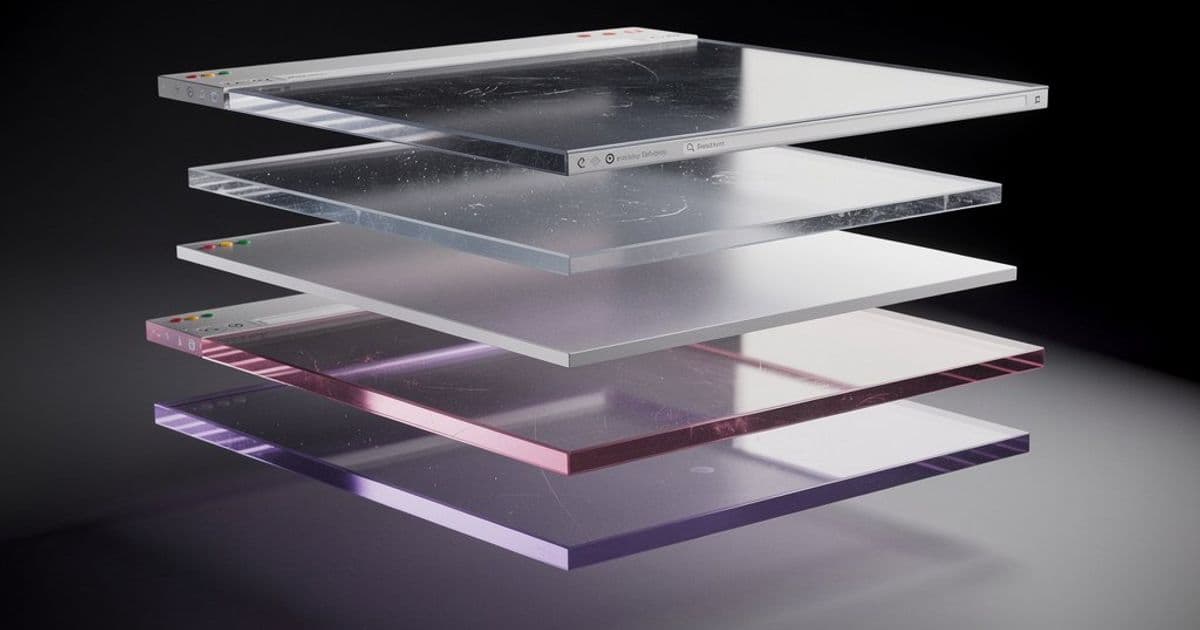
The latest monthly release of the open-source Servo browser engine, version 0.0.4, introduces a foundational feature for desktop applications: support for multiple browser windows. This update, built on recent embedding API developments, also includes significant enhancements to CSS rendering, partial encoding sniffing, and continued work on the SubtleCrypto API.
The Servo project has released version 0.0.4 of its open-source, Rust-based browser engine, marking a significant milestone in its development trajectory. The headline feature is the long-awaited support for multiple browser windows, a critical capability for any desktop browser engine aiming for practical application use. This addition is enabled by new code in the Servoshell interface and underlying rendering components, allowing developers to create applications that manage several independent browser contexts simultaneously.
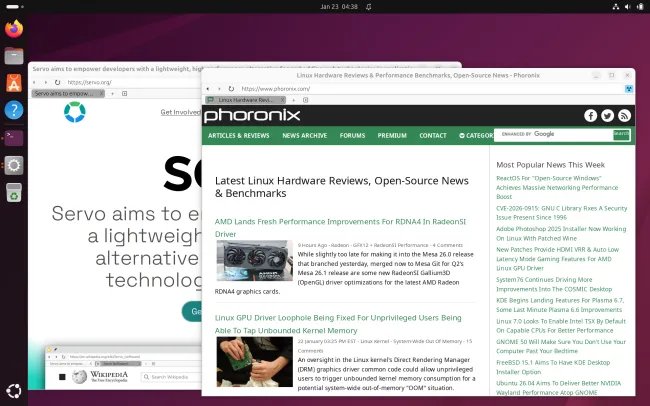
The implementation of multi-window support represents a substantial architectural step. Prior versions of Servo were largely designed around a single window context, which limited its utility for embedding into desktop applications that require tabbed browsing or separate application windows. The new functionality is built upon the embedding API that has been under active development in recent months, providing a more stable and flexible foundation for application developers. This change is crucial for projects looking to integrate Servo as a rendering engine for desktop software, as it moves the engine closer to the feature set expected from established browsers like Chromium or Gecko.
Beyond the multi-window capability, Servo 0.0.4 delivers a suite of updates that enhance its web standards compliance and developer experience. The engine now supports additional CSS features, expanding its ability to render modern web layouts correctly. While the specific CSS properties are not detailed in the initial announcement, this work is part of Servo's ongoing effort to achieve parity with the CSS specifications implemented by other major engines. Partial support for encoding sniffing has also been introduced, a web standard that determines the character encoding of a resource when it is not explicitly declared. This improvement helps prevent garbled text on websites that rely on this behavior for compatibility.
On the security front, development continues on the SubtleCrypto API, which provides low-level cryptographic functions for web applications. The ongoing work indicates a commitment to implementing modern web security standards, though the API is not yet fully complete. This is a critical area for any browser engine, as the web platform increasingly depends on these APIs for secure communications and data protection.
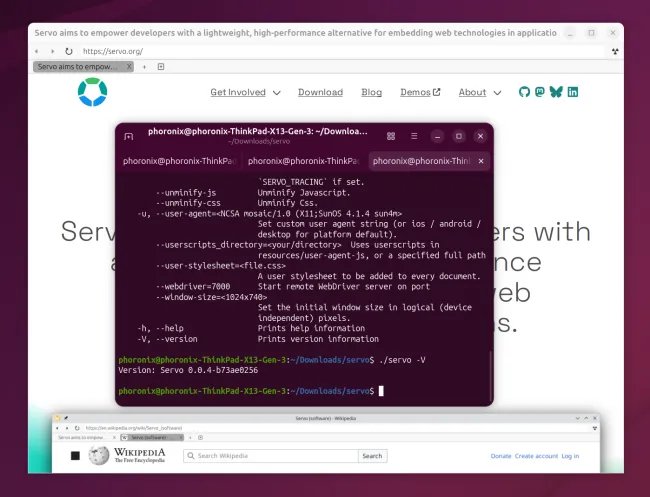
For developers and testers, the release includes improvements to the tooling used for debugging and profiling Servo-based applications. These enhancements aim to make it easier to identify performance bottlenecks and rendering issues. The engine also receives general performance and stability improvements, which are typical for each monthly release as the codebase matures and optimizations are applied.
The Servo project, initially developed by the Mozilla Foundation, has been progressing steadily under the stewardship of the Linux Foundation. Its focus on memory safety through Rust and a modern, parallelized architecture makes it a compelling alternative to traditional browser engines. The move to support multiple windows is a direct response to community feedback and the needs of potential embedders. For instance, a desktop application framework like Tauri, which uses a webview, could potentially leverage Servo in the future for a fully Rust-native stack.
The release notes and download links for Servo 0.0.4 are available on the official Servo blog. The project's source code is hosted on GitHub, where contributors can track ongoing development and participate in the project. As Servo continues to evolve, each monthly release adds another layer of functionality, gradually building a robust, safe, and performant foundation for the next generation of web applications.
Comments
Please log in or register to join the discussion