An approaching polar vortex system and ice storm could disrupt cloud services, energy grids, and supply chains, with historical precedents suggesting billion-dollar impacts on tech operations.
Technology companies and cloud service providers are bracing for operational disruptions as forecasters predict a severe polar vortex system will bring hazardous ice and heavy snowfall across key U.S. regions this weekend. The National Weather Service warns of "dangerous" ice accumulation exceeding 0.5 inches in areas including Chicago, Detroit, and Buffalo – regions hosting critical data center corridors powering cloud computing infrastructure.
Historical weather events provide sobering benchmarks: The 2021 Texas freeze caused an estimated $195 billion in economic losses, with technology and manufacturing sectors accounting for 37% of the total according to Accenture analysis. During that event, major cloud providers including AWS and Microsoft Azure experienced service disruptions affecting thousands of enterprises. Similarly, a 2022 winter storm triggered data center cooling failures in Oregon that knocked financial trading platforms offline for 12 hours.
This weekend's forecast carries specific technological risks:
- Cloud Service Vulnerability: Ice accumulation threatens fiber optic networks and backup generators at data centers. Hyperscale facilities require 20-50MW continuous power, yet ice storms increase grid failure risks by 300% according to U.S. Energy Information Administration models.
- Supply Chain Disruptions: Semiconductor manufacturing facilities in the Great Lakes region face potential shutdowns. Each day of halted production at a major fab can delay $50-100 million in chip shipments, per SEMI industry data.
- Logistics Breakdowns: Autonomous vehicle testing halts during icy conditions affect AI training data collection, while e-commerce fulfillment centers face shipment delays costing retailers $3-5 million daily per distribution hub, FedEx operational reports indicate.
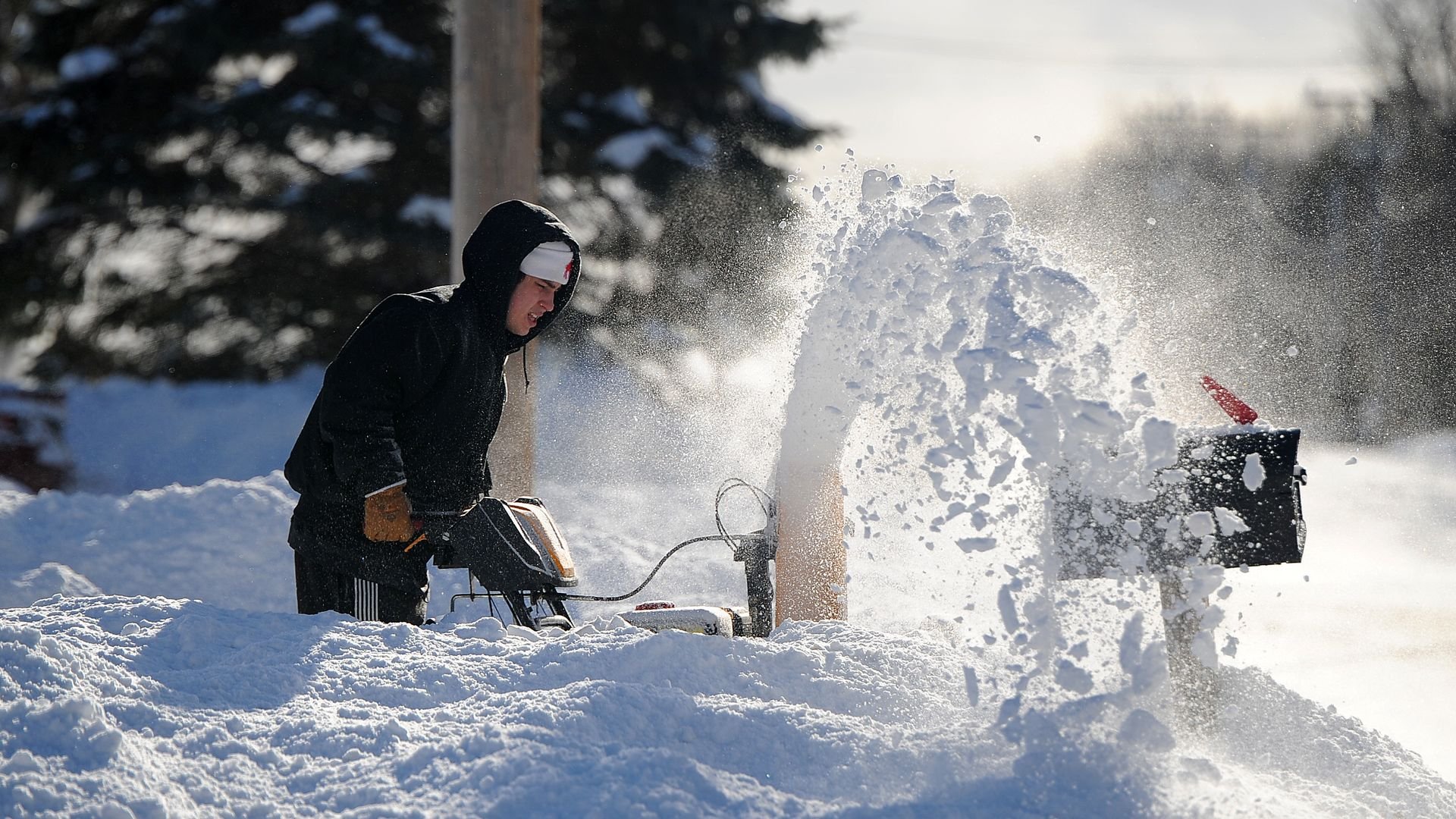
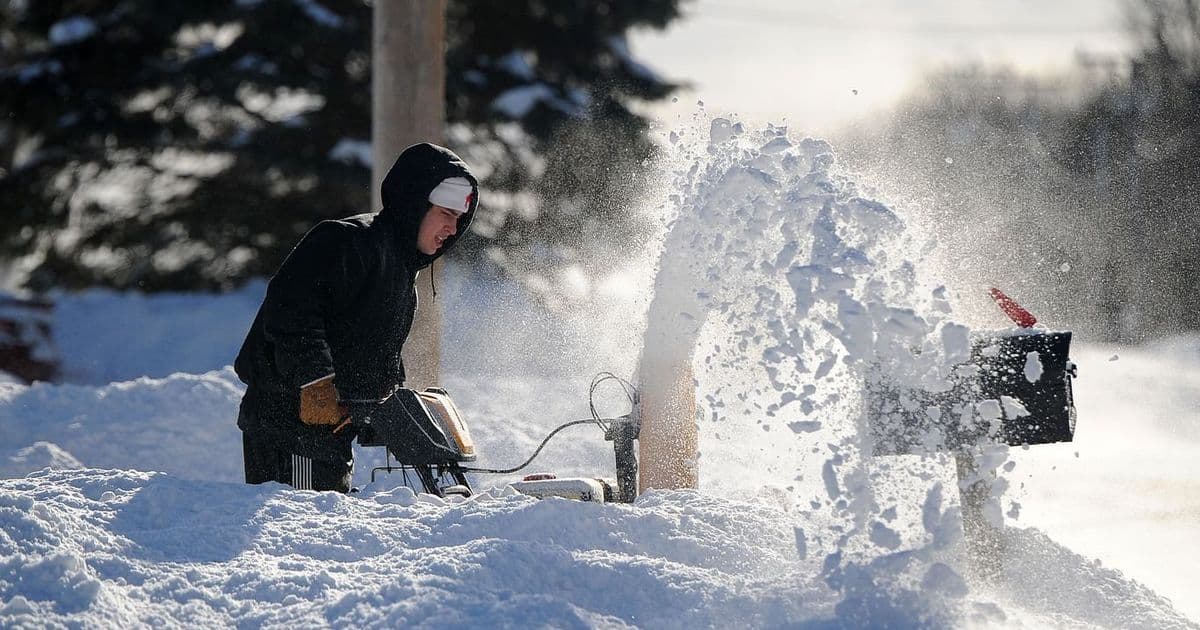
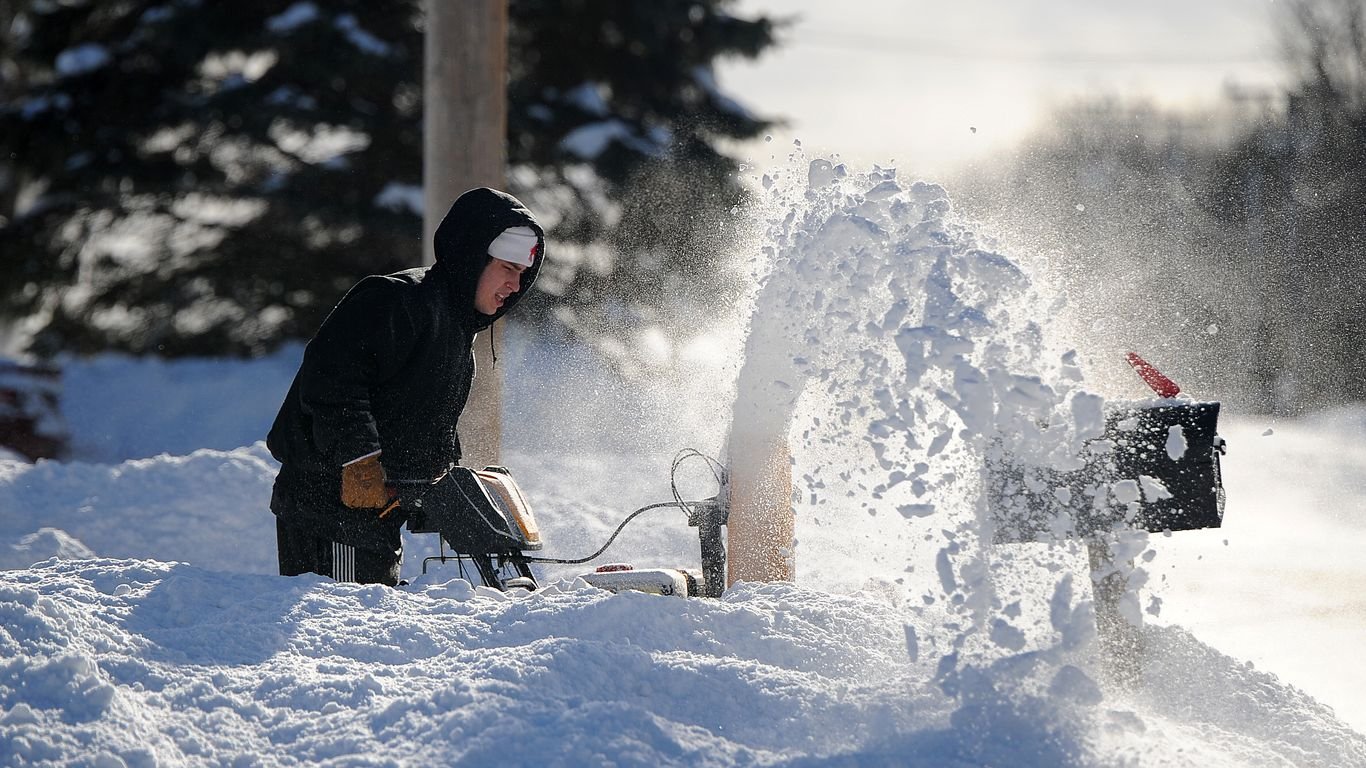
Drew Ahmed clears lake effect snow in Lake View, New York – a visual reminder of infrastructure challenges facing tech-dependent regions.
Strategic responses are accelerating investments in resilience. Cloud providers now allocate 15-20% of infrastructure budgets to geographic redundancy, while semiconductor manufacturers implement underground fuel cell systems like Bloom Energy's installations that provide 99.99% uptime during grid failures. Edge computing deployments grew 28% year-over-year in cold-climate zones as companies localize processing to mitigate network risks.
Energy markets reflect mounting pressures: Electricity futures for affected regions spiked 12% this week as traders anticipate surging demand for backup systems. Renewable microgrids emerge as critical insurance, with Wood Mackenzie analysis showing solar-plus-storage installations reduce weather-related downtime by 76% compared to diesel generators.
As climate volatility intensifies, technology leaders now treat extreme weather as a permanent operational factor rather than exceptional event. The coming storm serves as a real-time stress test for billions spent on infrastructure hardening since 2021's wake-up calls.
Comments
Please log in or register to join the discussion